
Technology has transformed how people work, communicate, shop, learn, and entertain themselves. From smartphones and tablets to laptops and e-readers, screens are now an unavoidable part of daily life. While these devices offer countless benefits, the habits people develop around them can have a significant impact on long-term eye health.
Many people associate vision problems solely with ageing, but everyday technology use can also contribute to eye strain, discomfort, and changes in visual habits over time. Understanding these behaviours can help you make small adjustments that support healthier eyes for years to come.
Spending Hours Looking at Screens Without Breaks
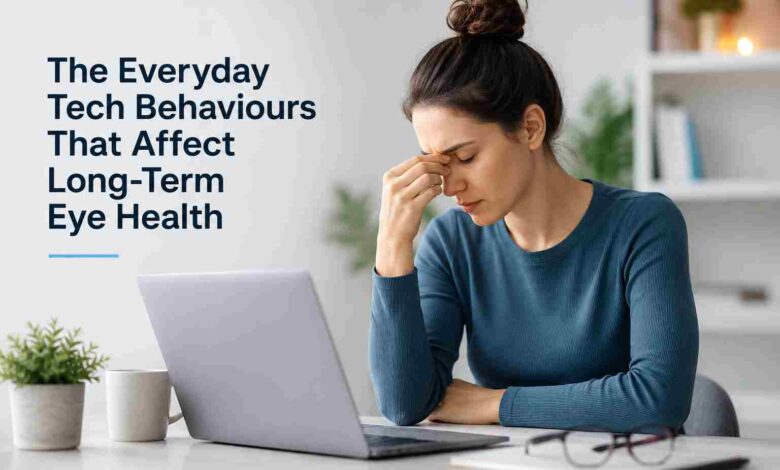
One of the most common technology-related habits is prolonged screen use without giving the eyes an opportunity to rest.
When focusing on a screen, people naturally blink less often than they do during other activities. Reduced blinking can lead to dry, irritated eyes and feelings of fatigue.
Taking regular breaks allows the eye muscles to relax and helps maintain comfort throughout the day. Even brief pauses away from screens can make a noticeable difference.
Holding Devices Too Close to Your Eyes
Many smartphone users hold their devices much closer than books, magazines, or other reading materials.
Over time, constantly focusing on very short distances can place additional demands on the eye’s focusing system. While this may not immediately cause permanent damage, it can contribute to eye strain and visual fatigue, particularly during extended periods of use.
Maintaining a comfortable viewing distance can help reduce unnecessary stress on the eyes.
Using Screens Late Into the Evening
Technology often follows you into the bedroom.
Whether scrolling social media, watching videos, or replying to emails, screen use before bedtime has become increasingly common. Excessive evening screen time can affect sleep quality, which in turn can influence overall eye comfort and wellbeing.
Tired eyes are often more sensitive, more prone to dryness, and more likely to experience strain throughout the following day.
Creating technology-free periods before bed can benefit both sleep and eye health.
Ignoring Early Signs of Eye Fatigue
Many people dismiss symptoms such as headaches, blurred vision, dry eyes, or difficulty focusing as normal consequences of a busy day.
However, these signs often indicate that the eyes are working harder than they should be. Ignoring these symptoms can lead to ongoing discomfort and make daily screen use less enjoyable.
Paying attention to changes in vision and seeking professional advice when necessary can help address issues before they become more disruptive.
Working in Poor Lighting Conditions
Technology use is not only about screen time itself. The surrounding environment also matters.
Using devices in overly bright or dimly lit spaces can force the eyes to work harder. Glare from windows, harsh overhead lighting, or dark rooms can all contribute to visual discomfort.
A well-lit workspace with balanced lighting helps create a more comfortable viewing experience and can reduce eye strain during long periods of screen use.
Failing to Update Vision Support
As vision naturally changes over time, many people continue using outdated prescriptions or delay seeking help when reading becomes more difficult.
Digital devices often highlight these changes because people spend so much time reading text on screens. Struggling to focus on close-up content can lead to headaches, fatigue, and reduced productivity.
For individuals who need support with near vision tasks, options such as reading glasses available from Just Glasses can help make everyday reading and screen use more comfortable.
Multitasking Across Multiple Screens
Modern work environments frequently involve switching between laptops, monitors, tablets, and smartphones throughout the day.
Constantly changing focus distances requires the eyes to repeatedly adjust. Over extended periods, this can contribute to visual fatigue and reduced comfort.
Organising workspaces effectively and minimising unnecessary screen switching where possible can help reduce this strain.
Forgetting That Eye Health Is Part of Overall Health
Many people think about eye health only when they notice vision problems.
In reality, healthy eyes are supported by broader lifestyle habits such as adequate sleep, proper hydration, regular exercise, and a balanced diet. Technology habits should be viewed as one part of a wider approach to maintaining good vision.
The healthier your overall lifestyle, the better equipped your eyes are to cope with the demands of modern digital life.
Small Habits Can Have a Lasting Impact
Technology is unlikely to become less important in your daily life. If anything, screen use will continue to increase in the years ahead.
Fortunately, protecting your eye health does not require giving up technology. Small adjustments such as taking regular breaks, improving lighting, maintaining healthy viewing distances, updating vision support when needed, and prioritising overall wellbeing can make a meaningful difference.
The habits you develop today may influence how comfortably you see, work, and enjoy technology for many years to come.