
The Evolving Role of Corporate Merchandise
Corporate merchandise has long been a staple in the business world, primarily serving as a tool for brand visibility and promotional giveaways. However, its role has significantly evolved beyond simple advertising. In today’s competitive landscape, where employee retention and a strong company culture are paramount, merchandise has transformed into a powerful instrument for internal branding, fostering a sense of belonging, and reinforcing company values. It’s no longer just about putting a logo on an item; it’s about creating a tangible representation of a company’s identity and appreciation for its people. This shift reflects a deeper understanding of human psychology and the importance of emotional connection in the workplace. Companies are realising that well-chosen, high-quality merchandise can speak volumes about their commitment to their employees and their brand image.
Beyond the Basic Pen: Why Modern Merchandise Matters
The days of universally distributing generic branded pens and keychains are largely behind us. While these items still have their place, modern corporate merchandise demands a more thoughtful and strategic approach. The “why” behind this evolution is multifaceted. Firstly, consumers and employees alike are more discerning. They value quality, utility, and items that reflect their personal tastes and values. A poorly chosen item can do more harm than good, conveying a lack of effort or appreciation. Secondly, the market is saturated with promotional products, making it crucial to stand out. Modern merchandise, therefore, focuses on uniqueness, innovation, and relevance to the recipient’s daily life. It aims to create a positive, lasting impression that resonates beyond the initial moment of receipt. This means considering the item’s functionality, its aesthetic appeal, and its alignment with current trends and societal values.
The Strategic Impact on Company Culture
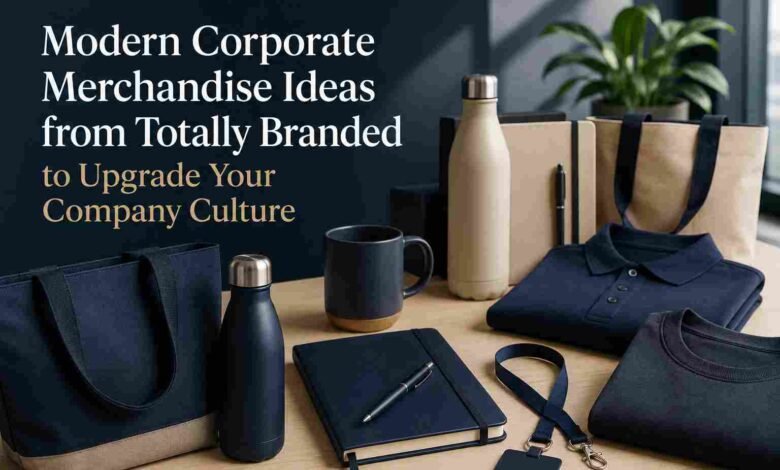
A vibrant and positive company culture is a significant driver of employee engagement, productivity, and retention. Modern corporate merchandise plays a crucial, albeit often underestimated, role in cultivating such an environment. When employees receive thoughtfully designed, high-quality branded items, it communicates that they are valued members of the team. This sense of appreciation can boost morale, foster loyalty, and strengthen their connection to the company’s mission. Imagine a new hire receiving a premium welcome kit that includes a comfortable branded hoodie, a stylish reusable water bottle, and a journal with the company’s core values subtly incorporated. This goes beyond mere practicality; it’s an immediate immersion into the company’s identity and a tangible demonstration of care. Such gestures can significantly contribute to building a cohesive team spirit and a shared sense of purpose.
Totally Branded’s Innovative Approach to Corporate Gifting
When considering how to upgrade your company culture through merchandise, partnering with a forward-thinking provider is essential. Totally Branded stands out as a leader in delivering modern corporate merchandise ideas. Their approach moves beyond simply printing logos, focusing instead on creating impactful, relevant, and high-quality branded items that genuinely resonate with recipients. They understand that each piece of merchandise is an extension of a company’s brand and culture. This commitment to innovation means they are constantly exploring new product categories, materials, and customisation techniques to offer solutions that truly elevate a company’s gifting strategy. From sophisticated tech gadgets to eco-friendly apparel, Totally Branded helps businesses craft memorable experiences that reinforce their values and strengthen their internal and external relationships. Their expertise allows companies to move from transactional gifting to building meaningful connections through tangible brand touchpoints.
Curating Merchandise for Different Audiences
One size rarely fits all, especially when it comes to corporate merchandise. Effective strategies involve curating different items for various target audiences, whether they are new hires, long-serving employees, clients, or event attendees.
1. New Hires: A welcome kit is crucial. This could include essential office supplies, a quality branded notebook, a comfortable item of branded apparel like a T-shirt or hoodie, and a reusable coffee cup or water bottle. The goal is to make them feel immediately integrated and valued.
2. Long-Serving Employees: For recognition and appreciation, consider more premium items. This might be a high-end tech accessory, a luxury desk item, or an experience-based gift accompanied by a branded keepsake. The focus here is on showing gratitude and celebrating loyalty.
3. Clients and Partners: Merchandise for this group should reflect professionalism and the quality of your services. Think executive gifts like leather-bound journals, high-quality umbrellas, or gourmet food hampers with subtle branding.
4. Event Attendees: For conferences or trade shows, items should be useful and memorable, but also practical for transport. Tote bags filled with branded stationery, power banks, or unique stress relievers are popular choices.
Understanding the recipient’s needs and preferences ensures the merchandise is both appreciated and effectively serves its purpose.
Sustainable and Ethical Sourcing: A Modern Imperative
In an increasingly conscious world, the sustainability and ethical sourcing of corporate merchandise are no longer optional but a fundamental expectation. Companies are under scrutiny to demonstrate their commitment to environmental responsibility and fair labour practices. Modern merchandise strategies must therefore incorporate these considerations. This means opting for products made from recycled materials, organic cotton, bamboo, or other eco-friendly alternatives. It also involves partnering with suppliers who adhere to ethical manufacturing standards, ensuring fair wages and safe working conditions. Choosing sustainable merchandise not only contributes positively to the planet but also enhances a company’s brand reputation, appealing to environmentally conscious employees and clients. It aligns the company’s values with global progressive movements, showcasing a commitment beyond profit.
Technology-Integrated Merchandise for the Digital Age
As technology continues to permeate every aspect of our lives, tech-integrated merchandise has become incredibly popular and practical. These items offer high utility and are often perceived as more valuable. Think beyond simple USB drives. Modern tech merchandise includes:
1. Wireless Chargers: Sleek and convenient, these are highly appreciated by anyone with a smartphone.
2. Bluetooth Speakers: Portable and useful for both work and leisure.
3. Power Banks: Essential for staying connected on the go.
4. Smart Water Bottles: Some can track hydration or remind users to drink water.
5. Smart Notebooks: Allowing digital transfer of handwritten notes.
These items not only carry a company’s brand but also enhance the recipient’s daily experience, making the brand association more positive and frequent. They represent a blend of utility and innovation, perfectly suited for the modern professional.
Personalisation and Customisation: Making it Unique
In an era of mass production, personalisation and customisation elevate merchandise from generic to genuinely special. The ability to tailor items to individual preferences or specific occasions adds a layer of thoughtfulness that significantly boosts their perceived value. This could range from engraving an employee’s name on a high-quality pen or water bottle to offering a choice of colours for a branded apparel item. For milestone anniversaries, customised gifts that reflect an employee’s interests or hobbies, subtly branded, can be incredibly impactful. The goal is to move away from a one-size-fits-all approach and towards creating bespoke experiences. Totally Branded excels in offering a wide array of customisation options, ensuring that each piece of merchandise feels unique and personal to the recipient, thereby strengthening the emotional bond with the company.
Measuring the ROI of Thoughtful Merchandise
While the benefits of good corporate merchandise can seem intangible, there are ways to measure its return on investment (ROI). This isn’t just about direct sales figures; it encompasses broader cultural and reputational gains.
1. Employee Engagement Surveys: Track scores related to appreciation, belonging, and morale before and after merchandise initiatives.
2. Retention Rates: Observe if thoughtful gifting correlates with improved employee retention, especially for new hires.
3. Brand Perception Studies: Conduct surveys to gauge how employees and clients perceive the company’s brand and values.
4. Social Media Engagement: Monitor mentions and shares of branded merchandise, indicating pride and positive association.
5. Recruitment Metrics: Evaluate if attractive onboarding merchandise helps in attracting top talent.
By tracking these indicators, companies can gain valuable insights into the effectiveness of their merchandise strategies and refine their approach for even greater impact.
The Future of Branded Swag: A Cultural Investment
The landscape of corporate merchandise is continuously evolving, moving further away from mere promotional tools and firmly into the realm of cultural investment. The future of branded swag lies in its ability to tell a story, represent core values, and foster a deep sense of community and belonging within an organisation. It’s about creating tangible touchpoints that reinforce a company’s identity and commitment to its people and the wider world. As businesses increasingly recognise the importance of employee well-being, sustainability, and authentic connections, merchandise will play an even more critical role in shaping positive work environments and attracting top talent. It’s an investment not just in products, but in the very fabric of a thriving company culture.
For more insights, read our article on: Why More Home-Based Clothing Brands Are Switching to DTF Workflows