
Halcyan System UK: A Modern Approach to Hard Water and Limescale Problems

Hard water is a familiar issue for many UK homeowners, especially in areas where chalk and limestone are present. While it may seem like a minor inconvenience at first, the long-term effects of limescale can quietly impact your home’s efficiency, maintenance costs, and overall comfort.
From kettles that need constant descaling to boilers working harder than necessary, hard water problems are more than just cosmetic. Understanding practical, low-maintenance solutions—like modern water conditioning systems—can make a noticeable difference.
Why Hard Water Is a Growing Concern in UK Homes
Hard water contains dissolved minerals such as calcium and magnesium. These minerals become problematic when heated, forming limescale deposits that cling to surfaces and internal systems.
Typical signs include:
- White marks on taps, tiles, and glass
- Reduced efficiency in heating systems
- Frequent appliance maintenance
- Poor soap performance and residue buildup
Over time, these issues can lead to increased energy usage and higher household costs.
How Limescale Affects Boilers and Energy Efficiency
One of the biggest hidden impacts of hard water is on your boiler and heating system.
When limescale builds up inside heating elements, it acts as insulation. This reduces heat transfer efficiency, forcing your system to use more energy to achieve the same result. Research shows that even a small amount of scale can significantly increase energy consumption.
The Result?
- Higher energy bills
- Slower heating performance
- Increased strain on your boiler
With energy costs rising across the UK, preventing limescale is becoming essential rather than optional.
Traditional Water Softeners vs Modern Alternatives
Salt-based water softeners have long been used to remove hardness minerals. While effective, they’re not always the most practical solution for every household.
Common Drawbacks
- Regular salt refills and maintenance
- Space requirements for installation
- Changes to water composition
- Additional long-term costs
This has led many homeowners to explore water softener alternatives that are easier to manage and maintain.
What Is the Halcyan System UK?
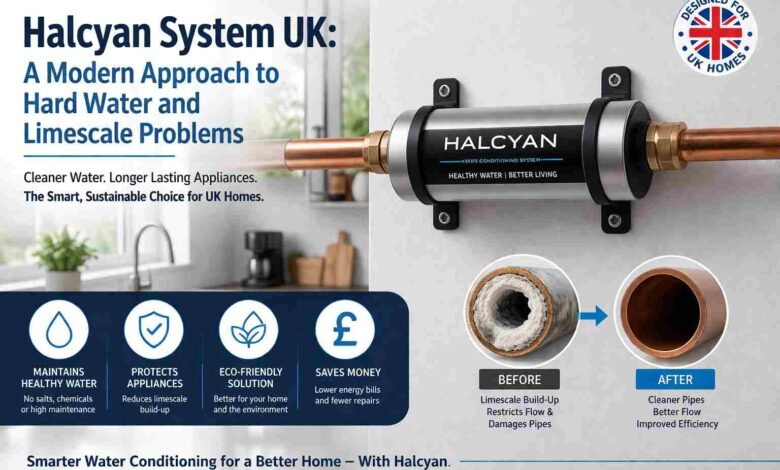
The Halcyan system UK is a type of water conditioning system designed to prevent limescale without removing beneficial minerals from the water.
Unlike traditional systems, it works by changing how minerals behave, stopping them from forming hard deposits inside pipes and appliances. This approach allows homeowners to tackle limescale while keeping water natural and drinkable.
A widely used example is the Halcyan water conditioner, which operates as a non-electric system and requires no ongoing maintenance. Installed inline with your mains supply, it protects your entire home—from boilers to taps—without the need for chemicals or salt.
Key Benefits of Water Conditioning Systems
Water conditioner UK solutions are becoming increasingly popular because they offer practical, real-life advantages.
Reduced Limescale Buildup
By preventing minerals from sticking to surfaces:
- Bathrooms stay cleaner
- Taps and shower screens remain clearer
- Less scrubbing is required
Improved Heating Efficiency
With less scale inside your boiler:
- Heat transfer improves
- Energy usage decreases
- Systems run more smoothly
Some systems can even help reduce existing limescale over time, improving performance further.
Longer Appliance Lifespan
Appliances benefit from reduced mineral buildup:
- Fewer breakdowns
- Better efficiency
- Lower replacement costs
Zero Maintenance Convenience
Unlike traditional systems:
- No electricity is required
- No salt or chemicals are needed
- No regular servicing is necessary
This makes it a “fit and forget” solution for many households.
Real-Life Impact for UK Homeowners
For those living in hard water areas, the difference can be noticeable:
- Cleaner surfaces with less effort
- More consistent water pressure
- Improved boiler performance
- Reduced need for descaling products
Many homeowners also appreciate that these systems retain natural minerals in the water, rather than removing them entirely.
Choosing the Right Water Conditioner UK Solution
Before installing any system, it’s important to assess your needs.
Consider:
- The hardness level in your area
- Your household size and water usage
- Your preference for maintenance-free solutions
- Installation space and plumbing setup
For many UK homes, a scale prevention system offers a balanced solution—addressing limescale without adding complexity.
Supporting Limescale Prevention with Simple Habits
Even with a system in place, small daily actions can help:
- Wipe down wet surfaces after use
- Descale kettles and showerheads periodically
- Use detergents designed for hard water
These habits enhance the effectiveness of any water conditioning system.
Conclusion
Hard water problems are a reality for millions of UK households, but they don’t have to result in constant cleaning, inefficient heating, and costly repairs. By focusing on limescale prevention rather than removal, modern solutions provide a more practical and sustainable approach.
The Halcyan system UK represents a shift towards low-maintenance, non-electric water treatment—helping homeowners protect their appliances, reduce energy costs, and enjoy a more efficient home environment without the drawbacks of traditional systems.