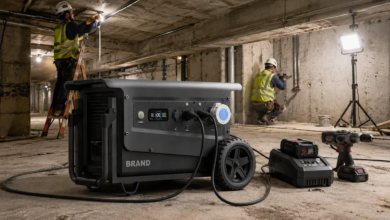


Construction projects become difficult to manage when materials disappear, tools are misplaced, or workers waste time searching for equipment. Many construction delays are not caused by labor shortages or weather problems. They happen because inventory is poorly organized.
A construction site handles a large number of moving items every day. Cement bags arrive in bulk, electrical materials move between sections, machines are shared across projects, and safety equipment constantly changes hands. Without a proper inventory system, small mistakes quickly become expensive problems.
Good inventory organization keeps projects moving smoothly. It helps teams reduce waste, control costs, improve safety, and complete jobs on time. It also makes life easier for site managers, warehouse teams, and contractors who need quick access to materials without confusion.
This guide explains practical and realistic ways to organize construction inventory more efficiently without overcomplicating the process.
Why Inventory Organization Matters in Construction
Construction inventory is different from retail inventory. Materials are heavy, expensive, weather-sensitive, and often spread across multiple sites. Some items are used daily, while others stay in storage for months before they are needed.
When inventory is disorganized, construction companies usually face the same problems repeatedly. Workers spend extra time locating tools, duplicate materials are ordered accidentally, equipment maintenance gets ignored, and project budgets become difficult to control.
Proper inventory organization helps construction businesses:
- Reduce material waste
- Prevent project delays
- Improve worker productivity
- Avoid unnecessary purchases
- Protect expensive equipment
- Keep projects within budget
A well-organized inventory system also helps companies make better decisions because managers can clearly see what materials are available, what needs replacement, and what is being overused.
1. Create One Central Inventory System
One of the biggest mistakes construction companies make is keeping inventory records in different places. Some information stays in spreadsheets, some on paper, and some only in workers’ memory.
This creates confusion very quickly.
A centralized inventory system keeps everything in one location. Every material, tool, machine, and supply item should be recorded in the same system. This makes it easier to track stock levels, monitor usage, and manage purchasing decisions.
Even small construction businesses can benefit from a simple digital inventory system. It does not always require expensive software. The goal is to keep information organized and accessible.
A centralized system should include:
- Material quantities
- Equipment availability
- Supplier information
- Storage locations
- Purchase dates
- Maintenance schedules
When everyone uses the same inventory process, communication improves across the entire project.
2. Separate Materials Into Clear Categories
Construction inventory becomes difficult to manage when everything is stored together without structure. Workers lose time searching for items, and mistakes happen more often.
Materials should always be grouped into categories.
For example:
- Electrical supplies
- Plumbing materials
- Concrete tools
- Safety equipment
- Heavy machinery parts
- Fasteners and hardware
Large sites should also divide materials based on work zones or project stages.
Simple labeling systems make a huge difference. Shelves, bins, racks, and containers should have visible names or codes. This reduces confusion and helps workers locate items quickly.
Color coding can also improve organization. Some construction companies use different colors for electrical, plumbing, or safety-related supplies to make identification faster.
The easier materials are to identify, the smoother the workflow becomes.
3. Use Barcode or QR Code Tracking
Manual inventory tracking often creates errors because workers forget to update records or write incorrect information.
Barcode and QR code systems make tracking much more accurate.
Each tool or material batch receives a code that workers can scan using a mobile device or scanner. Whenever an item enters or leaves storage, the system updates automatically.
This method helps construction businesses:
- Track inventory movement in real time
- Reduce missing tools
- Improve accountability
- Monitor equipment usage
- Save administrative time
QR codes are especially useful because they can store more information than standard barcodes. A single scan can display maintenance history, supplier details, or storage instructions.
For companies handling multiple projects at the same time, digital tracking prevents inventory confusion between sites.
4. Organize Storage Areas Properly
Storage layout affects productivity more than many people realize.
When tools and materials are scattered randomly, workers waste valuable time walking around the site looking for what they need. Over time, those lost minutes become lost hours.
Construction storage areas should be designed based on usage frequency and safety.
Frequently used materials should stay near active work zones. Heavy equipment should remain accessible without blocking movement paths. Fragile items should be protected from damage and weather exposure.
A good storage setup usually includes:
- Clearly marked aisles
- Separate zones for different materials
- Secure tool storage
- Shelving systems
- Weather protection for sensitive items
Safety also improves when storage is organized properly. Poorly stacked materials increase the risk of accidents, damaged supplies, and workplace injuries.
Clean storage areas help workers move faster and work more efficiently.
5. Conduct Regular Inventory Audits
Inventory records become unreliable when they are not checked regularly.
Construction sites change constantly. Materials move between teams, tools get borrowed, and equipment shifts across projects. Without regular audits, inventory numbers stop matching reality.
Inventory audits help businesses identify:
- Missing tools
- Damaged materials
- Overstocked supplies
- Unused inventory
- Recording mistakes
Many companies only perform audits when problems appear, but regular checks prevent issues before they become expensive.
Smaller projects may only need monthly audits, while large construction operations often require weekly inventory reviews.
Audits do not need to be complicated. The goal is simply to confirm that physical inventory matches recorded inventory.
Consistent audits improve accuracy and reduce unnecessary spending.
6. Track Equipment Maintenance Carefully
Construction equipment is expensive, and unexpected breakdowns can stop entire projects.
Inventory organization should include equipment maintenance tracking, not just material counting.
Every machine should have a maintenance record that includes:
- Service dates
- Repair history
- Operating hours
- Inspection reports
- Replacement parts
Ignoring maintenance often leads to larger repair costs later. It also increases downtime because damaged equipment may become unavailable during critical project phases.
A simple maintenance tracking process helps companies extend equipment lifespan and reduce emergency repairs.
Well-maintained equipment also improves worker safety and project efficiency.
7. Train Workers on Inventory Procedures
Even the best inventory system will fail if workers do not follow proper procedures.
Construction teams should understand:
- How to check tools in and out
- Where materials belong
- How to report shortages
- How to handle damaged inventory
- How to update inventory records
Many inventory problems happen because workers create shortcuts to save time. Tools are left in random locations, materials are not recorded correctly, and missing items go unreported.
Training creates accountability.
Workers should understand that organized inventory is not just management’s responsibility. It affects the entire project.
Simple and clear procedures work better than complicated systems that nobody wants to follow.
8. Forecast Material Needs Before Problems Happen
Construction delays often happen because important materials run out unexpectedly.
Good inventory organization includes forecasting future material requirements instead of reacting after shortages occur.
Project managers should review:
- Construction timelines
- Material usage patterns
- Supplier delivery times
- Seasonal demand changes
Forecasting helps businesses prepare inventory in advance and avoid emergency purchases, which are usually more expensive.
It also prevents over-ordering. Excess materials take up storage space and increase waste risks.
Historical project data can help companies estimate future inventory needs more accurately.
The better the planning process, the fewer inventory problems appear later.
9. Reduce Material Waste on Site
Material waste is a major cost problem in construction.
Poor inventory organization often leads to damaged supplies, expired materials, duplicate orders, and unnecessary disposal.
Construction businesses can reduce waste by:
- Storing materials correctly
- Rotating older stock first
- Monitoring material usage
- Ordering realistic quantities
- Protecting materials from weather exposure
For example, cement and adhesives can become unusable when stored improperly. Electrical supplies may become damaged if left exposed to moisture.
Waste reduction improves profitability because companies spend less money replacing materials unnecessarily.
It also creates cleaner and safer job sites.
10. Use Inventory Data to Improve Future Projects
Construction companies collect valuable inventory information every day, but many businesses never analyze it properly.
Inventory data can reveal:
- Frequently used materials
- Slow-moving inventory
- Common shortages
- Equipment performance patterns
- Supplier reliability issues
This information helps businesses improve future project planning.
For example, if a company notices repeated shortages of specific materials, purchasing schedules can be adjusted. If certain equipment constantly requires repairs, replacement decisions become easier.
Inventory data also improves budgeting because managers gain a clearer understanding of real material usage and operational costs.
Over time, these insights help construction businesses become more efficient and profitable.
Common Inventory Mistakes Construction Companies Should Avoid
Some inventory problems happen so frequently that they become normal on many construction sites.
One common mistake is relying completely on manual tracking methods. Paper-based systems are difficult to update consistently, especially on large projects.
Another problem is poor storage planning. Materials stacked randomly create confusion, increase damage risks, and slow down work.
Many companies also ignore equipment maintenance until machines fail. This approach increases downtime and repair expenses.
Lack of worker accountability is another major issue. If employees do not follow inventory procedures consistently, even good systems become unreliable.
Avoiding these mistakes can save construction businesses significant time and money.
How Small Construction Businesses Can Improve Inventory Organization
Inventory organization is not only important for large construction companies.
Small contractors also benefit from structured inventory systems because material costs directly affect profitability.
Smaller businesses can start with simple improvements:
- Create labeled storage areas
- Use digital spreadsheets consistently
- Track high-value tools carefully
- Perform monthly inventory checks
- Maintain equipment service records
The goal is not to build a complicated system immediately. The focus should be creating habits that improve organization over time.
Even basic inventory improvements can reduce project stress and improve efficiency significantly.
Final Thoughts
Construction inventory organization is not just about counting materials. It affects productivity, budgeting, safety, project timelines, and overall business performance.
When inventory systems are disorganized, projects slow down, costs increase, and workers waste valuable time. On the other hand, organized inventory helps teams work faster, reduce waste, and manage resources more effectively.
The best inventory systems are usually simple, practical, and consistent. Construction companies do not need complicated processes to see improvement. Small changes like proper labeling, regular audits, equipment tracking, and better storage planning can make a major difference.
A well-organized construction site creates fewer delays, better teamwork, and stronger project results. Over time, those improvements help businesses become more reliable, profitable, and easier to manage.
For more insights, read our article on: The Ultimate Guide to Construction Inventory Management Software
FAQs
What is construction inventory management?
Construction inventory management is the process of tracking, organizing, storing, and monitoring construction materials, tools, and equipment used during projects.
Why is inventory organization important in construction?
Proper inventory organization helps reduce material waste, avoid project delays, improve productivity, and control project costs.
How can construction companies track inventory better?
Construction companies can improve tracking by using digital inventory systems, barcode scanning, QR codes, and regular inventory audits.
How often should inventory audits be performed?
Large construction projects may require weekly audits, while smaller businesses often perform monthly inventory checks.
What causes inventory problems on construction sites?
Common causes include poor storage planning, manual tracking errors, missing labels, lack of worker accountability, and weak inventory procedures.
Can small contractors improve inventory without expensive software?
Yes. Small businesses can start with organized storage areas, digital spreadsheets, regular audits, and simple tracking systems.
How does inventory management reduce construction costs?
It prevents over-ordering, reduces material waste, improves equipment maintenance, and avoids emergency purchases caused by shortages.
What materials require special storage in construction?
Cement, adhesives, electrical supplies, paints, and moisture-sensitive materials usually require protected storage conditions.