
Construction Debris Removal: What Every Renovation Project Should Plan For

Planning a renovation?
Homeowners usually pay attention to the exciting things: fresh paint, new tile, dream kitchens. Debris removal…not so much. The problem is, DEBRIS REMOVAL is what sinks budgets and schedules.
A bit of planning upfront makes everything go smoother.
Learn what you should expect from your renovation project when disposing of construction debris.
What’s inside this guide:
- Why renovation debris adds up faster than expected
- How estate cleanout situations overlap with renovations
- Common types of construction debris
- Container sizes and what they cost
- Safety, compliance, and budget mistakes to dodge
Why Renovation Debris Adds Up Fast
Homeowners are amazed at how much trash their renovations create. A bathroom remodel can easily fill up two pickup trucks! A kitchen remodel? That can easily fill a 20-yard dumpster.
How big is the problem nationally?
According to the EPA, 600 million tons of construction debris were generated in 2018. That’s more than double the amount of regular household waste produced that year.
That explains why landfill fees and disposal costs keep climbing. For homeowners, it means:
- You’ll create more debris than you think
- Disposal will cost more than you budgeted
- None of it can go in your regular bin
The only way to avoid those headaches is to construct a debris plan into your project from day one.
When Estate Cleanouts and Renovations Collide
Lots of renovation projects start with an estate cleanout.
Someone inherits a house, cleans out decades of junk, then flips or moves into it. Both jobs converge quickly.
The problem is that an estate cleanout will often contain things that you can’t put in a construction dumpster: outdated furniture, appliances, years of hoarded possessions, and emotional belongings mixed with debris from repairs.
Some contractor-companies like Junk Jaws do both types of work. They perform the estate cleanout first, then return for the construction debris during the course of the renovation project. Hiring one team to do both jobs is nearly always less expensive and much simpler than coordinating two different vendors.
Estate cleanout work tends to involve:
- Family heirlooms and documents that need careful sorting
- Hazardous items like old paint or chemicals
- Bulky furniture and old appliances
- Years of accumulated yard waste
Have your junk pile gone through a professional removal crew that knows trash from treasure, and they can save you from throwing away something valuable to you.
Common Types of Construction Debris
There are many forms demolition waste can take. Some forms require different disposal methods. Here are the most common types of waste from renovations:
- Drywall and plaster
- Wood framing, trim, and old cabinetry
- Flooring (tile, carpet, hardwood, vinyl)
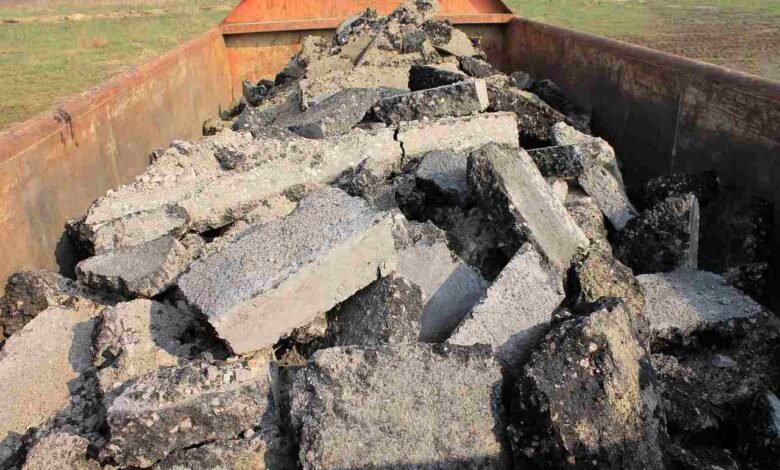
- Concrete, brick, and masonry
- Roofing materials and shingles
- Metal pipes, fixtures, and old appliances
Parts of this go recycling. Concrete can become road base. Metal can be sold for scrap value. Wood can go into mulch or even reused if it is clean.
Combining everything into a single pile is acceptable. Occasionally separation may reduce your disposal fees.
Container Sizes and What They Cost
Most renovation jobs require either a roll-off dumpster, a junk removal service or both. Choosing which to use will depend on the size of your project, where it’s located and how long you have.
Here’s a rough guide to dumpster sizes:
- 10-yard: small bathroom remodel or single-room cleanout
- 20-yard: kitchen remodel or full-floor renovation
- 30-yard: major remodels or whole-house gut jobs
- 40-yard: large additions or full demolitions
Cost varies by region and project needs. Nationwide data shows the average dumpster rental costs $385, and most homeowners spend between $294-$480 per week.
Concrete or shingle weight will increase your price due to weight restrictions. Extra weight above your allotted amount will be charged per tonnage fee along with your price.
Commercial junk hauling services operate differently. They price by the load, and do the labour for you. In most cases that’s preferable if:
- Debris is mixed (furniture combined with construction material)
- You don’t want a dumpster sitting in the driveway for weeks
- The job involves several small pickups instead of one big haul
How Demolition Changes the Math
Not every remodel yields an equal amount of waste. Cosmetic changes only yield a few cubic yards. Complete gut jobs yield several tons.
Demolition generates by far the most debris. Bringing down walls, floors, or ceilings produces far more waste than constructing them. Plan on lots more debris if your remodel includes demolition vs. simply painting and decorating.
Rule of thumb? Allow for about 2 to 4 pounds of debris for every square foot. That means 1,000 to 2,000 pounds of debris for a typical 500-square-foot space — and that’s before you toss in outdated appliances and fixtures.
Safety and Compliance You Can’t Skip
Construction debris can be heavy. Some of it can also be downright hazardous. Older homes in particular can conceal some ugly hazards:
- Asbestos in old insulation, ceilings, and tile
- Lead-based paint
- Mold or mildew behind walls
- Sharp edges and protruding nails
Attempting to clean up dangerous materials by yourself is dangerous. Lots of counties mandate the use of licensed specialists to haul them away. Violating regulations can net you some serious fines.
Dumpster placement is also regulated. Typically, if you place one on a public street you’ll need a permit, which can cost between $25 and $150 depending on your city.
A solid debris removal service takes care of all of this for you, including:
- Pulling permits when needed
- Sorting recyclables from landfill waste
- Properly disposing of hazardous materials
- Cleaning up the job site once the work is done
Common Mistakes That Wreck Debris Budgets
Too many errors can quickly inflate the demolition aspect of a remodeling budget:
Ordering one small dumpster but filling it on day one and then having to pay for a second haul
Things that shouldn’t go in your garbage can include:
- Mixing prohibited materials: throwing TVs, mattresses, paint or batteries into your garbage that are denied at the landfill
- Exceeding weight limits: materials such as concrete or shingles that weigh a lot can bust your tonnage limits
- Skipping recyclables: some materials cost less (or nothing) to dispose of separately
Avoiding these will save money and keep the project on track.
The Bottom Line
Trash removal is one of those renovation expenses that no one notices until something goes wrong. Budget for it ahead of time and your project flows like clockwork. Neglect it and you’ll waste time, money, and likely your sanity.
The biggest takeaway?
Construction debris is larger, heavier, and more complex than most people realize. From small bathroom remodels to estate clean outs with additional renovations, having the correct removal plan will set you up for success or disaster.
To quickly recap, plan ahead by:
- Estimating debris volume before the project starts
- Choosing between a dumpster, a junk removal service, or both
- Sorting recyclable material from landfill waste
- Hiring licensed pros for anything hazardous
If you get the rubbish aspect right, everything else falls into place effortlessly.
For more insights, read our article on: Are AGVs the Future of Construction? Here’s Why