
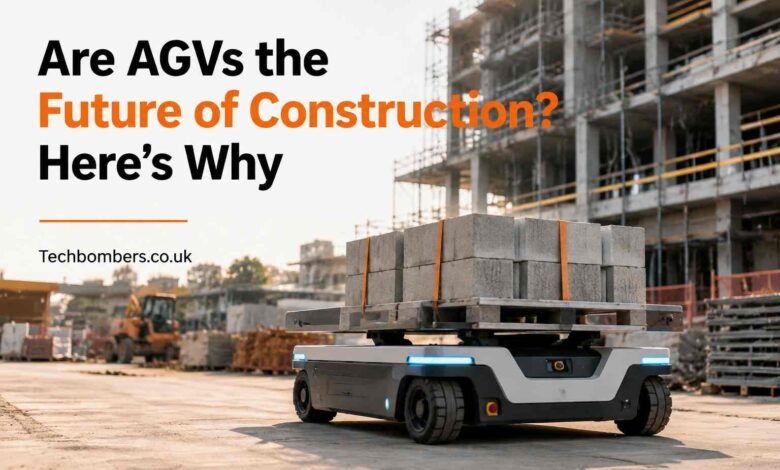
AGVs, or Automated Guided Vehicles, are already changing the way construction sites operate. These machines, which move materials autonomously without human intervention, are not just a futuristic concept – they are here and transforming the construction industry. Whether it’s boosting efficiency, improving safety, or reducing costs, AGVs are bringing a level of automation that is crucial for modern construction.
But is this the future? Let’s break down how AGVs are impacting the industry and why they are poised to become even more integral to construction operations moving forward.
What Are AGVs and How Do They Work in Construction?
Automated Guided Vehicles (AGVs) are self-guided machines used to transport materials or equipment within predefined paths or routes on construction sites. These vehicles rely on a combination of technologies, including sensors, cameras, GPS, and laser guidance systems to navigate and carry out tasks autonomously.
In construction, AGVs are mainly used to move materials, tools, and equipment from one point to another. They can carry heavy loads, transport goods to specific locations, or even deliver supplies directly to workers on-site. Depending on the needs of the project, AGVs can be customized to carry different types of materials, from building supplies to dangerous or fragile items.
Why Are AGVs a Game-Changer for Construction Sites?
AGVs are already making waves in construction, and here’s why:
Boosting Efficiency on Construction Sites
One of the most significant benefits of AGVs is their ability to streamline material transportation, which plays a huge role in the overall efficiency of a construction project.
Construction sites are typically busy environments where workers are constantly moving materials to different areas. With AGVs, this task can be automated, meaning there’s no downtime for human labor and materials can be transported faster. Since AGVs are designed to work around the clock, they don’t need breaks, and they can work through the night, speeding up the timeline of a project.
For example, consider a large-scale project like building a skyscraper. With AGVs, materials such as steel, concrete, and machinery can be moved seamlessly between floors or areas without the need for manual handling. This reduces the time spent by workers on repetitive tasks and frees them up for more critical work, improving productivity across the board.
Enhancing Worker Safety
Construction is a dangerous industry. According to the Occupational Safety and Health Administration (OSHA), one in five worker deaths occurs in the construction industry. The risk is mainly due to workers interacting with heavy machinery, navigating busy construction sites, and moving dangerous materials.
AGVs offer a solution to reduce human involvement in risky tasks. With these machines taking over heavy lifting, material transport, and moving hazardous materials, there is less exposure to danger for workers. AGVs are programmed to follow specific paths, ensuring that materials are safely transported from one area to another without the risk of accidents or collisions.
Additionally, AGVs can be equipped with sensors that allow them to detect obstacles and prevent accidents, adding an extra layer of safety. As a result, worker injuries and fatalities can be significantly reduced, making construction sites safer overall.
Cost Savings in the Long Run
The initial cost of implementing AGVs might seem high, but over time, the cost savings are significant. With AGVs, construction companies can reduce their reliance on manual labor for material handling, saving on labor costs. Human workers can be reassigned to more complex tasks, further improving overall productivity.
Moreover, AGVs reduce the risk of human error, which can be costly. For example, incorrectly handling materials could lead to damage or spoilage, which could delay the project and result in costly repairs. AGVs, with their precision and consistent operation, minimize such risks, reducing potential losses and delays.
Additionally, AGVs’ 24/7 operation helps in reducing delays that might otherwise occur due to human fatigue, shift changes, or other scheduling issues. The ability to keep the workflow running continuously reduces the overall duration of construction projects, thus lowering project costs.
Real-Time Material Tracking and Management
AGVs aren’t just about moving materials around; they are an excellent tool for managing inventory and ensuring the right materials are in the right place at the right time.
AGVs can be equipped with sensors and tracking systems that integrate with the site’s project management and inventory systems. This allows real-time tracking of materials as they are moved throughout the construction site, providing construction managers with accurate data on what materials are available and where they are located.
This improved tracking also helps with supply chain management, preventing shortages or over-ordering of materials. By tracking material movements and usage, AGVs can help ensure that a construction project stays on schedule, with minimal waste or material loss.
How AGVs Are Already Being Used in Construction
AGVs have already found their place on construction sites around the world. Here are a few practical applications:
Material Transportation
AGVs are primarily used to transport materials such as bricks, tiles, cement, steel beams, and even machinery. On a construction site, the use of AGVs allows these materials to be moved efficiently between the delivery zone and the specific location where they are needed.
Heavy Equipment Transport
In large construction sites, AGVs are being used to move heavy equipment like cranes, forklifts, and bulldozers to different parts of the site. These AGVs can carry such machinery across designated paths, reducing the need for workers to drive them manually, which reduces traffic and prevents accidents.
Waste Management
Construction sites generate a lot of waste, and AGVs can be used to streamline the process of removing debris. These vehicles can be programmed to collect waste and transport it to specific bins or waste removal areas. This not only improves efficiency but also keeps the site cleaner and safer.
Tools and Small Equipment Delivery
AGVs can also be used to transport tools and small equipment to workers on the site. If a worker runs out of a tool or requires a specific piece of equipment, the AGV can deliver it directly to the worker’s location, saving time and minimizing disruptions.
Challenges in Implementing AGVs in Construction
While AGVs have several advantages, implementing them on construction sites does come with challenges.
Initial Cost of Implementation
The upfront investment for AGVs can be substantial. A single AGV can cost anywhere from $20,000 to over $100,000 depending on its size and capabilities. Moreover, construction sites will need to invest in the infrastructure to support AGVs, such as dedicated paths, charging stations, and communication systems. This can be a deterrent for smaller construction companies with tight budgets.
Compatibility with Existing Systems
AGVs need to be integrated with the construction site’s project management and inventory systems. This integration can be complex, especially if the existing systems aren’t compatible with AGV technology. It requires upfront planning and possibly custom-built solutions, which could delay implementation.
Maintenance and Upkeep
Like all machinery, AGVs require regular maintenance to keep them running smoothly. Construction sites will need trained personnel to handle maintenance and repairs, adding to operational costs. Additionally, depending on the size of the site, a fleet of AGVs may be required, which increases the complexity of managing and maintaining the fleet.
The Future of AGVs in Construction
The potential for AGVs in construction is enormous. As technology continues to advance, AGVs will become more autonomous, intelligent, and cost-effective. Here’s how they’re expected to evolve:
Smarter AGVs with AI and Machine Learning
With the integration of artificial intelligence (AI) and machine learning (ML), AGVs will become smarter, learning from the environment and adjusting their paths in real-time. They will be able to make decisions autonomously, such as avoiding obstacles and rerouting in case of disruptions, improving operational efficiency.
Reduced Costs and Widespread Adoption
As AGV technology becomes more widespread, economies of scale will drive down the costs of production and implementation. In turn, this will make AGVs more accessible to smaller construction firms, contributing to wider adoption across the industry.
Collaboration with Other Technologies
In the future, AGVs will work alongside other technologies such as drones, robotic arms, and 3D printing. This collaboration will create a fully automated construction environment, where machines work in tandem to complete projects faster, more efficiently, and with fewer risks.
Conclusion
AGVs are already making a significant impact on construction sites by improving efficiency, safety, and cost-effectiveness. While there are some challenges associated with their implementation, the long-term benefits make AGVs a valuable asset for modern construction. As the technology continues to evolve, AGVs are set to become even more integral to construction operations, helping shape the future of the industry.
If you’re involved in construction, now is the time to start exploring how AGVs can enhance your projects. They’re not just the future – they’re already here, transforming the way we build.
For more insights, read our article on: How Construction Tech Impacts Equipment Management in 2026?