From Miniature to Mechanical Marvel: Exploring Gasoline Engine Models with EngineDIY

Engineering is often easier to understand when you can see it in action. While books and videos can explain how engines work, nothing compares to watching real mechanical parts move together. That is one reason miniature engines have become so popular among hobbyists, students, and engineering enthusiasts. A gasoline engine model offers a hands-on way to explore real engine principles in a compact and fascinating form.
These models are more than simple display pieces. They are designed to demonstrate how real gasoline engines work, making them valuable learning tools as well as enjoyable DIY projects.
What Is a Gasoline Engine Model?
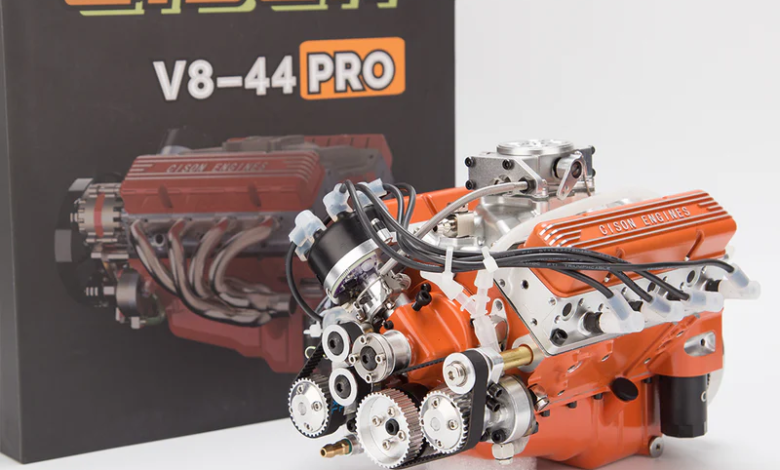
A gasoline engine model is a scaled-down version of a real gasoline-powered engine. Unlike simple display models, many of these miniature engines are designed with functional mechanical components that replicate the operation of full-size engines.
Depending on the model, users can observe:
- Moving pistons
- Rotating crankshafts
- Flywheels in motion
- Ignition systems
- Fuel-powered operation
- Realistic engine structures
These features help demonstrate how gasoline engines generate and transfer power. Because everything is visible and compact, users can closely study the mechanics that would normally be hidden inside a larger engine.
Why Miniature Engines Are So Popular
Miniature engines have gained popularity because they combine learning with hands-on building. They allow people to move beyond theory and experience engineering in a practical way.
Many users enjoy them because they:
- Teach real mechanical concepts
- Provide an engaging DIY project
- Develop problem-solving skills
- Encourage curiosity and experimentation
- Create a sense of accomplishment
For students and beginners, these models can make engineering feel more approachable. For experienced hobbyists, they offer a rewarding challenge and an opportunity to explore detailed mechanical systems.
Learning Through Building
One of the most exciting parts of owning a gasoline engine model is the assembly process.
Projects usually begin with a collection of individual parts. As builders follow the instructions, they gradually see how the pieces fit together to create a complete engine.
During the build, users learn:
- How engine components interact
- How motion moves through a system
- How timing affects performance
- Why precision is important in engineering
This hands-on approach helps make mechanical concepts easier to understand and remember.
Watching Engineering Come to Life
One of the most exciting moments comes when the engine is fully assembled and ready to operate.
Watching a miniature gasoline engine run is an impressive experience. Components that once sat separately on a workbench now work together as a complete machine. Pistons move, crankshafts rotate, and mechanical energy flows through the system.
This transformation helps users appreciate the engineering behind real engines. It also demonstrates how complex systems can be understood by studying their individual parts.
The experience often inspires builders to continue learning about mechanics, design, and engineering.
Exploring More with EngineDIY
For those interested in miniature engines, EngineDIY offers a wide range of engineering kits, engine models, and mechanical projects.
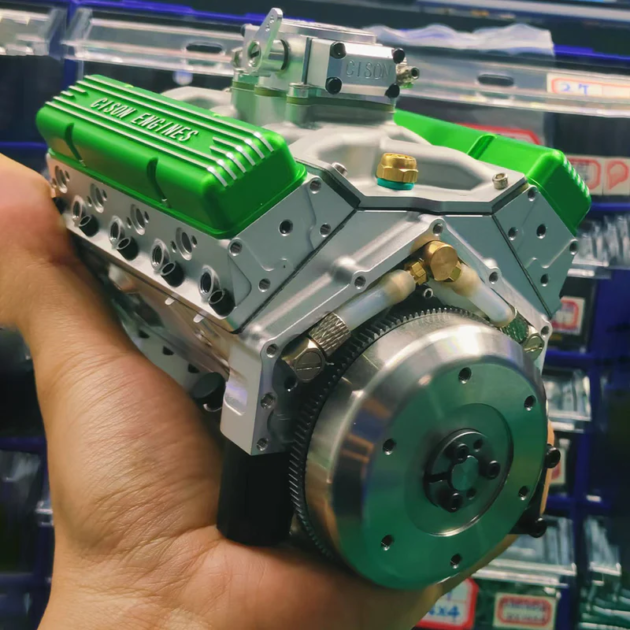
The platform provides access to various gasoline engine models designed for learning, experimentation, and collecting. Whether you are looking for your first engine project or expanding an existing collection, EngineDIY offers options for different interests and experience levels.
Its collection includes detailed miniature engines that help users explore real engineering principles while enjoying the building process.
A Great Project for Different Types of Users
Gasoline engine models appeal to a wide range of people because they offer both educational value and entertainment.
Students
Students can gain practical insight into engineering concepts that are often difficult to visualize in a classroom setting.
Hobbyists
DIY builders enjoy the challenge of assembling and operating realistic miniature engines.
Collectors
Many gasoline engine models feature detailed craftsmanship, making them attractive display pieces.
Engineering Enthusiasts
People with a passion for mechanics appreciate the opportunity to study engine operation in a compact format.
Makers and Creators
Creative individuals often use miniature engines as part of larger projects and experiments.
More Than Just a Hobby
Building a gasoline engine model is not only fun—it is also educational.
The process encourages valuable skills such as:
- Patience
- Critical thinking
- Problem-solving
- Mechanical understanding
- Attention to detail
These skills can benefit users in many areas of life, from education to technical careers.
Many people discover that one engine project leads to a deeper interest in mechanics and engineering. As they learn more, they often explore additional models and mechanical systems.
Conclusion
Gasoline engine models offer a unique way to explore the world of engineering. They transform complex mechanical ideas into something visible, interactive, and easy to understand.
From assembling individual parts to watching the finished engine run, every stage of the process provides valuable learning opportunities. A gasoline engine model helps users see how real engines operate while delivering the satisfaction of building something with their own hands.