Every Backing Accident Is a Business Cost Long Before It’s an Insurance Claim

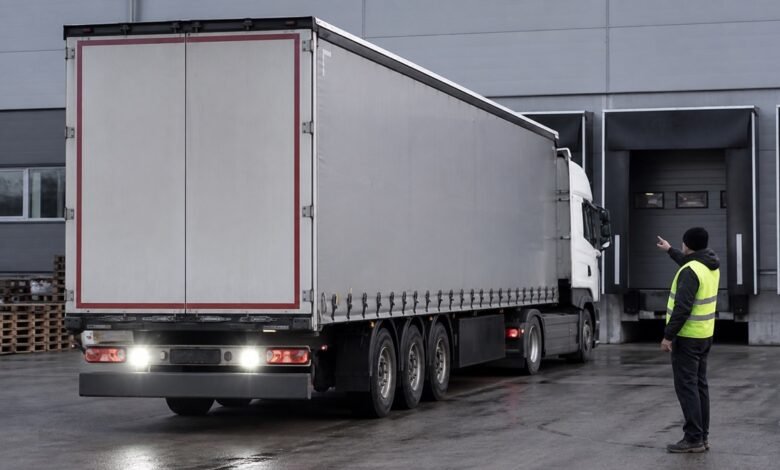
Backing accidents happen in seconds, but their financial impact extends far beyond the initial collision. A truck reversing into a loading dock, a delivery van striking a parked car, or a company vehicle damaging property during a routine maneuver represents more than just a moment of carelessness. Each incident triggers a cascade of expenses that begin accumulating before an insurance claim is ever filed. Understanding these hidden costs is essential for business managers who oversee fleet operations, manage liability, or work to protect their organization’s bottom line.
1. Immediate Operational Disruption and Downtime
The first cost category arrives instantly when a backing accident occurs. A vehicle involved in a collision cannot continue its scheduled route, delivery, or service call. If the damage is severe enough to render the vehicle inoperable, that equipment sits idle while waiting for repair assessment, parts ordering, and actual shop work. A delivery company might miss multiple customer appointments, forcing rerouting of packages to other vehicles and drivers. Even minor backing accidents can tie up a vehicle for hours if the damage requires inspection and documentation before the driver can proceed.
The ripple effect extends beyond the single damaged asset. When a vehicle goes down, other team members must compensate. Managers reassign drivers, reschedule routes, and sometimes authorize overtime to maintain service levels. These operational adjustments create labor costs that flow directly from the incident, independent of any repair bill. A business carrying tight schedules or operating with minimal fleet redundancy faces particularly acute disruption, and every hour a vehicle sits unavailable translates into lost revenue, delayed customer service, or both.
2. Direct Repair and Replacement Expenses
Once an accident occurs, the repair bill arrives quickly. Backing accidents frequently involve structural damage, paint work, mechanical components, and parts replacement. A minor fender-bender might cost several hundred dollars in materials and labor, while a serious collision involving a commercial truck can easily exceed thousands of dollars. The repair timeline varies based on damage severity and shop availability, but even routine damage requires days to address.
Insurance may eventually cover repair costs, but businesses pay the initial expenses and often face deductibles ranging from five hundred to several thousand dollars per incident. Body shop labor rates, parts markup, and diagnostic fees stack up quickly. If the damaged vehicle is newer or specialized for specific work, replacement parts may be expensive or difficult to source. Some companies maintain fleets of aging vehicles to manage costs, and older models sometimes face higher repair expenses because parts are harder to find. Every dollar spent on repairs represents money not invested in business growth or operational improvement.
3. Increased Insurance Premiums and Policy Consequences
The insurance claim process triggers long-term financial consequences that many business owners underestimate. Filing a claim against commercial auto insurance does not keep premiums stable. Insurance companies review claims history to calculate rates, and even one backing accident can increase premiums for three to five years. A small business with five vehicles might see annual insurance costs rise by hundreds or thousands of dollars following a single accident, compounding the financial damage year after year.
Some backing accidents result in policy reviews or cancellation by the insurer. Patterns of accidents, particularly when multiple incidents involve the same driver or location, signal risk to insurance carriers. An insurer might impose stricter terms, require additional driver training, mandate new safety equipment, or ultimately decline to renew coverage. When a business loses its current insurance provider, finding replacement coverage often means accepting higher rates from companies that view the organization as high-risk. The cascade of premium increases following an accident can dwarf the original repair costs across multiple policy years.
4. Liability Claims Beyond Vehicle Damage
Backing accidents frequently involve more than just vehicle damage. If a reversing vehicle strikes a person, the business faces personal injury liability that extends far beyond standard insurance coverage in many cases. Injuries sustained during backing incidents can result in medical claims, lost wages for injured parties, and legal suits seeking damages. Even when insurance covers these expenses, deductibles, coverage limits, and policy exclusions mean the business absorbs significant portions of these costs directly.
Property damage liability also extends into spaces beyond the damaged vehicle. A backing accident might damage another company’s equipment, merchandise, storefront, or infrastructure. The business at fault becomes responsible for third-party damages, repair costs, and any business interruption the other party experiences. If the backing incident occurs in a congested area or involves multiple vehicles, liability multiplies, and a single backing error can generate claims from multiple injured parties or property owners, each adding legal fees, settlement negotiations, and compensation costs to the total.
5. Investigation, Documentation, and Administrative Burden
Every backing accident triggers administrative work that costs time and labor without generating any business value. Drivers must complete accident reports, provide statements, and often participate in investigations. Managers conduct incident reviews, document vehicle damage with photographs, gather witness statements, and file insurance paperwork. These tasks pull staff away from productive work and consume hours that could otherwise benefit the business.
Beyond immediate paperwork, backing accidents often require follow-up activities. The business might need to conduct safety training sessions, review backing procedures with drivers, or investigate whether equipment failures contributed to the incident. During incident reviews and driver coaching sessions, operations managers who rely on fleet camera systems can pull footage to pinpoint exactly what went wrong during a maneuver, reducing time spent on guesswork and strengthening both training outcomes and legal documentation. Some companies retain legal counsel to prepare defense documentation. These ongoing administrative costs accumulate long after the initial impact, creating a persistent drain on management time and resources.
6. Reputational Damage and Long-Term Business Impact
Backing accidents, particularly those involving injury or occurring in public settings, can damage a company’s reputation. Customers may question whether the business operates safe, well-maintained vehicles and employs skilled drivers. Contractors and partners might perceive the accident as evidence of poor operational standards. A string of backing incidents can generate negative word-of-mouth, social media commentary, or even local media coverage, particularly when injuries are involved.
Reputation damage translates into measurable business costs. Prospective clients may choose competitors they perceive as safer or more professional. Existing customers might reduce their business or demand better pricing to offset perceived risks of working with the company. Insurance companies and surety bond providers view organizations with accident histories as higher risk, increasing their costs for coverage and performance guarantees. Over time, a pattern of backing accidents creates a business reputation that affects hiring, customer acquisition, and partnership opportunities.
Conclusion
Backing accidents represent a much larger business expense than most managers initially recognize. The visible repair costs, while substantial, represent only one piece of a much larger financial picture. Operational disruption, premium increases, liability claims, administrative burden, and reputation damage combine to create total accident costs that often triple or quadruple the actual repair bill. Organizations that implement comprehensive backing safety programs, invest in driver training, maintain vehicles properly, and establish clear backing protocols protect their bottom line by preventing incidents before they occur. The most effective business response to backing accidents focuses on prevention, recognizing that every accident prevented saves money across multiple cost categories and multiple years.