
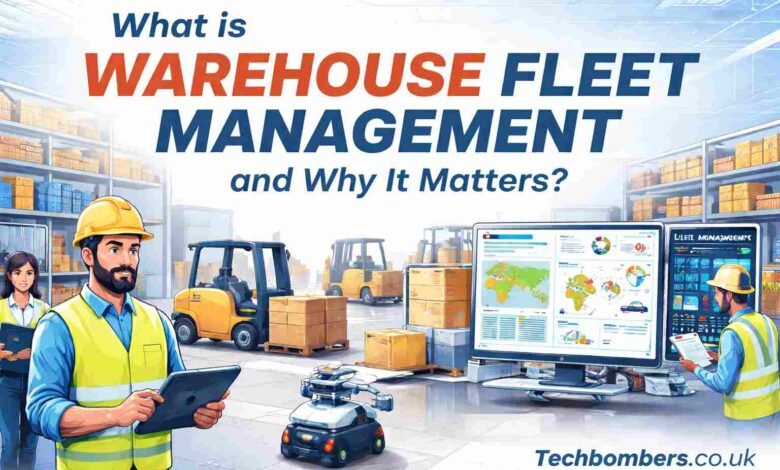
Warehouse fleet management refers to the process of overseeing and coordinating the vehicles used within a warehouse or distribution center. This includes managing delivery trucks, forklifts, pallet jacks, and other transport vehicles to ensure they operate efficiently, safely, and cost-effectively. Fleet management goes beyond just maintaining the vehicles; it encompasses everything from scheduling deliveries, optimizing routes, performing regular maintenance, and tracking vehicle performance. In short, warehouse fleet management is essential for ensuring smooth operations, reducing costs, and increasing productivity within warehouse environments.
In this blog post, we’ll explore the significance of warehouse fleet management, key components of an effective fleet management strategy, and how modern technology is transforming the way warehouses manage their fleets.
Why Warehouse Fleet Management Matters
Effective fleet management is the backbone of a successful warehouse operation. It helps streamline processes, improve productivity, and cut unnecessary costs. Here’s why fleet management is so crucial:
Cost Efficiency
Fleet management helps reduce costs by maximizing vehicle utilization, cutting down on maintenance costs, and optimizing fuel consumption. By using proper management strategies, warehouses can extend the life of their vehicles, reduce downtime, and save on fuel expenses, which are some of the largest operational costs for any warehouse.
Operational Efficiency
Managing a fleet effectively ensures that goods are delivered on time, inventory is well-kept, and resources are optimally used. Proper scheduling, route planning, and vehicle tracking help warehouses run at full capacity, reducing delays and improving order fulfillment.
Safety and Compliance
Warehouse operations are often subject to strict safety regulations. Ensuring that vehicles are properly maintained and drivers are trained in safe driving practices is vital for minimizing accidents and staying compliant with industry standards. Fleet management systems can monitor and record vehicle performance, ensuring they meet all safety regulations.
Key Components of Warehouse Fleet Management
Warehouse fleet management is a multi-faceted process. There are several key components that ensure everything runs smoothly:
Vehicle Selection and Acquisition
Choosing the right vehicles for your warehouse is the first step in effective fleet management. When selecting vehicles, consider their capacity, fuel efficiency, and suitability for specific tasks. For example, electric vehicles are becoming increasingly popular due to their lower environmental impact and fuel costs. Additionally, understanding the type of goods you’ll be transporting and the terrain (indoor or outdoor, flat or inclined surfaces) is essential when choosing the right vehicle.
Fleet Maintenance
One of the core aspects of fleet management is maintenance. Regular maintenance checks prevent minor issues from escalating into major problems, reducing the chances of breakdowns. Scheduling routine maintenance helps ensure that vehicles are always in good working condition, preventing delays and enhancing safety. A good maintenance schedule also contributes to the longevity of vehicles, protecting your investment in the long term.
Fleet Tracking and Monitoring
Tracking vehicles in real-time is vital for ensuring efficiency. Fleet management software allows businesses to track vehicle locations, monitor driver behavior, and ensure routes are being followed. This level of visibility helps managers make informed decisions, such as rerouting vehicles to avoid traffic or delivering goods more quickly.
Route Planning and Optimization
Route planning is one of the best ways to save on fuel and time. By using specialized route optimization software, warehouses can plan the most efficient paths for their vehicles, reducing unnecessary detours and minimizing fuel consumption. These tools take into account factors such as traffic, road conditions, and delivery schedules to find the quickest route. Not only does this save money, but it also improves delivery reliability.
Inventory and Delivery Management
Proper fleet management ensures that inventory moves smoothly from the warehouse to the customers. Managing deliveries effectively helps prevent stockouts, delays, and order inaccuracies. Using fleet management software to track deliveries in real time ensures that warehouses can stay on top of their inventory, improving order fulfillment and customer satisfaction.
Tools and Technology Used in Warehouse Fleet Management
As with any industry, technology plays a huge role in modern warehouse fleet management. Here are some of the tools and technologies that help streamline fleet operations:
Fleet Management Software
The backbone of modern fleet management is software. With the right software, warehouse managers can track vehicle locations, schedule maintenance, and monitor driver behavior. Software platforms like Samsara, Fleet Complete, and Geotab provide a centralized system for managing all aspects of fleet operations, improving efficiency and reducing the likelihood of errors.
Telematics and IoT
Telematics systems use sensors and communication devices to monitor and collect data from fleet vehicles. By using telematics, warehouse managers can track things like speed, fuel consumption, idle times, and engine health. This data can be used to improve performance, reduce costs, and predict when maintenance is needed. IoT-enabled vehicles also allow for real-time communication between vehicles and warehouse systems, increasing efficiency.
Automated Systems
Automation is quickly making its way into fleet management. Robotic process automation (RPA) and AI-based systems can automate tasks such as scheduling, maintenance tracking, and data entry. These automated systems help reduce human error and ensure smoother operations in warehouses, improving overall fleet management.
Common Challenges in Warehouse Fleet Management
While fleet management brings many benefits, there are also several challenges that businesses may face. Understanding these challenges can help businesses prepare and overcome them.
Fleet Downtime
One of the biggest challenges in fleet management is vehicle downtime. Downtime occurs when a vehicle is not in use due to mechanical issues or maintenance needs. This can disrupt operations, delay deliveries, and increase costs. Preventive maintenance and regular checkups are key to reducing downtime and keeping vehicles running at full capacity.
High Operational Costs
Managing a fleet is expensive, and rising fuel costs can make it even more challenging. However, proper route optimization, vehicle maintenance, and driver training can help mitigate these costs. Fuel-efficient vehicles, such as electric or hybrid options, can further reduce fuel-related expenses in the long run.
Safety and Compliance Risks
Warehouse fleet managers must ensure that vehicles comply with various safety regulations. This can be difficult, especially when managing a large fleet of vehicles. Vehicle inspections, driver safety programs, and compliance management tools are essential for minimizing safety risks and ensuring the fleet is always in line with legal requirements.
Managing Multiple Vehicles
Managing a fleet of multiple vehicles with different needs can be complex. Some vehicles may be used for long-distance deliveries, while others may be used for local transportation. Having a centralized fleet management system that can handle various types of vehicles and manage their different schedules and requirements is crucial for maintaining smooth operations.
Best Practices for Effective Warehouse Fleet Management
To achieve optimal warehouse fleet management, businesses should follow best practices that ensure efficiency, safety, and cost-effectiveness.
Proactive Maintenance
Preventive maintenance is one of the best ways to avoid downtime. By scheduling routine maintenance checks and inspections, you can address minor issues before they become major problems. This also extends the lifespan of vehicles, reducing the need for costly replacements.
Leveraging Data Analytics
Using data analytics to track vehicle performance, fuel consumption, and driver behavior is key to improving fleet management. Data-driven insights allow fleet managers to identify areas for improvement, optimize routes, and reduce operational costs.
Driver Training and Safety
Drivers play a huge role in fleet efficiency and safety. Providing regular training on safe driving practices, vehicle handling, and route navigation can help reduce accidents, improve fuel efficiency, and enhance overall performance. Safe driving not only reduces risks but also helps prevent costly damage to vehicles.
Fleet Performance Monitoring
Regularly reviewing fleet performance ensures that any potential issues are identified and addressed quickly. Fleet managers should continuously monitor key performance indicators (KPIs) such as fuel usage, maintenance costs, and delivery times to assess how the fleet is performing and where improvements can be made.
The Future of Warehouse Fleet Management
As technology continues to evolve, so too does warehouse fleet management. Here’s a glimpse into the future of the industry:
Electric and Autonomous Vehicles
The shift towards electric vehicles (EVs) is gaining momentum, driven by environmental concerns and rising fuel prices. Electric vehicles offer a cleaner, more cost-effective solution for fleet management. Autonomous vehicles, while still in development, have the potential to revolutionize warehouse fleet management by automating deliveries and reducing human error.
Sustainability and Green Initiatives
Sustainability is becoming a key focus in fleet management. Many companies are implementing green initiatives, such as using electric vehicles, optimizing routes to reduce fuel consumption, and adopting eco-friendly practices. This helps reduce their carbon footprint and aligns with the growing demand for environmentally conscious businesses.
AI and Machine Learning
The integration of AI and machine learning into fleet management systems is making it possible to automate decision-making, predict vehicle failures, and optimize routes in real-time. These technologies can improve efficiency, reduce costs, and provide a competitive edge in an increasingly fast-paced world.
Conclusion
Warehouse fleet management is not just about maintaining vehicles — it’s about improving operational efficiency, reducing costs, and enhancing safety. With the right tools, strategies, and best practices in place, warehouses can ensure smooth operations, timely deliveries, and a more sustainable future. As the industry continues to evolve, embracing new technologies like electric vehicles, AI, and automation will become increasingly important for staying competitive.
By optimizing fleet management, warehouses can stay ahead of the curve, providing better service, reducing costs, and positioning themselves for long-term success.
For more insights, read our article on: Optimize Your Warehouse with Labor Management Systems