
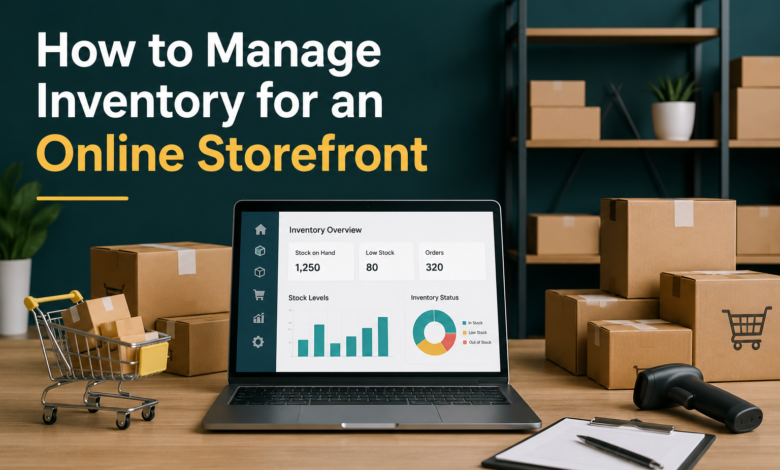
Running a successful online storefront involves much more than attracting customers and processing orders. Behind every smooth purchasing experience is an inventory management system that ensures products are available when customers want them, accurately tracked as they move through the business, and replenished before stock shortages occur. Poor inventory management can lead to overselling, delayed shipments, unnecessary storage costs, and frustrated customers. On the other hand, a well-managed inventory strategy helps improve cash flow, streamline operations, and strengthen customer trust.
As e-commerce continues to grow, inventory management has become one of the most important operational responsibilities for online retailers. Whether you sell a handful of products or manage a large catalog, understanding how to control inventory effectively can make a significant difference in long-term profitability.
Start With Accurate Inventory Tracking
The foundation of successful inventory management is accuracy. Many inventory problems begin when businesses lose visibility into what they actually have in stock. Even small discrepancies can create larger issues over time, resulting in fulfillment delays and purchasing mistakes.
A centralized inventory system allows businesses to monitor stock levels in real time. Every sale, return, exchange, and incoming shipment should update inventory records automatically whenever possible. Automation reduces human error and ensures that inventory data reflects current conditions.
Regular audits remain important even when software is used. Periodic cycle counts help identify discrepancies before they become major problems. Rather than waiting for an annual inventory review, many successful online retailers perform smaller, more frequent checks throughout the year.
Accurate tracking also helps businesses identify trends. If certain products consistently sell faster than expected or remain in storage for extended periods, inventory records provide the information needed to make informed decisions about future purchasing.
Understand Demand and Forecast Future Needs
Successful inventory management requires looking ahead rather than simply reacting to current stock levels. Demand forecasting helps businesses anticipate future sales and maintain appropriate inventory levels without overcommitting resources.
Historical sales data often provides the best starting point. Reviewing past trends can reveal seasonal fluctuations, promotional impacts, and recurring purchasing patterns. For example, certain products may experience increased demand during holidays, while others remain relatively stable throughout the year.
External factors should also be considered. Market trends, economic conditions, supplier changes, and customer preferences can all affect demand. Businesses that monitor these influences are often better prepared for shifts in purchasing behavior.
Forecasting does not need to be perfect to be valuable. Even reasonably accurate projections can reduce stockouts and prevent excessive inventory accumulation. Over time, businesses can refine their forecasting methods as additional data becomes available.
Establish Clear Reorder Points
One of the most common inventory mistakes is waiting too long to reorder products. By the time stock appears low, supplier lead times may make it difficult to replenish inventory before shortages occur.
Establishing reorder points creates a more proactive system. A reorder point is a predetermined inventory level that triggers a new purchase order. This threshold should account for average sales volume, supplier lead times, and a reasonable safety stock buffer.
Safety stock serves as protection against unexpected demand spikes or shipping delays. While holding excessive inventory can tie up cash, maintaining an appropriate buffer helps avoid lost sales and customer dissatisfaction.
Consistency matters when setting reorder policies. Establishing standardized procedures ensures that purchasing decisions are made based on data rather than guesswork. This reduces the likelihood of emergency orders, which are often more expensive and disruptive.
Use Technology to Streamline Operations
Modern inventory management software offers capabilities that would have been difficult or impossible to maintain manually. Automation can significantly improve efficiency while reducing errors across multiple sales channels.
Many businesses benefit from platforms that synchronize inventory across websites, marketplaces, warehouses, and fulfillment providers. This prevents situations where products appear available online but are actually out of stock.
For businesses operating branded merchandise programs or employee purchasing portals, selecting software that integrates with online company stores can help maintain accurate inventory visibility across multiple purchasing environments. This level of connectivity reduces manual updates and helps ensure that stock information remains consistent wherever transactions occur.
Technology can also generate reports, identify slow-moving inventory, and provide insights into overall performance. These analytics support better decision-making and help businesses respond more quickly to changing conditions.
Reduce Dead Stock and Improve Inventory Turnover
Inventory sitting in a warehouse represents capital that could potentially be used elsewhere. While some products naturally move more slowly than others, businesses should regularly evaluate inventory turnover to identify inefficiencies.
Dead stock refers to products that remain unsold for extended periods. These items occupy storage space, increase carrying costs, and tie up cash flow. Regular inventory reviews can help identify products that may require promotional discounts, bundling strategies, or discontinuation.
At the same time, businesses should focus on maintaining healthy inventory turnover. Products that move efficiently generate revenue while minimizing storage expenses. Monitoring turnover rates provides insight into purchasing effectiveness and overall inventory health.
Successful retailers often balance stock levels carefully, maintaining enough inventory to satisfy demand without accumulating unnecessary excess. Finding this balance requires ongoing attention but can significantly improve profitability.
Build Strong Relationships With Suppliers
Inventory management is not solely an internal process. Supplier relationships play an important role in maintaining reliable stock availability and responding effectively to changes in demand.
Businesses should communicate regularly with suppliers regarding anticipated purchasing needs, lead times, and potential disruptions. Strong relationships often provide greater flexibility when unexpected situations arise.
Diversifying suppliers can also reduce risk. Relying on a single source for critical products may create vulnerabilities if shortages, delays, or operational issues occur. Maintaining backup options can improve resilience and help ensure continuity.
Supplier performance should be reviewed periodically. Consistent delivery times, product quality, and communication standards all contribute to more effective inventory management. Working closely with dependable suppliers makes forecasting and replenishment significantly easier.
Conclusion
Effective inventory management is one of the cornerstones of a successful online storefront. By maintaining accurate inventory records, forecasting demand, establishing reorder points, leveraging technology, improving inventory turnover, and building strong supplier relationships, businesses can reduce costly errors and operate more efficiently.
Inventory should be viewed as a strategic asset rather than a logistical challenge. When managed thoughtfully, it supports customer satisfaction, protects cash flow, and creates a stronger foundation for growth. As online commerce becomes increasingly competitive, businesses that prioritize inventory management will be better positioned to meet customer expectations and achieve long-term success.