
Warehouse Management in the Automotive Industry: An Ultimate Guide

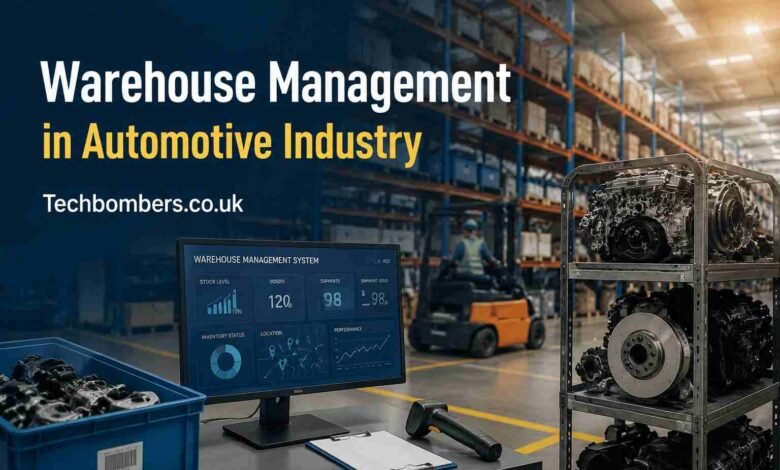
Warehouse management in the automotive industry is far more than simply storing parts and finished vehicles. It is the backbone of manufacturing efficiency, ensuring that the right components reach the production line at the right time, in the right quantity, and in optimal condition. A well-organized automotive warehouse can reduce costs, improve production flow, and ensure timely delivery, giving companies a competitive advantage in a highly demanding market.
Automotive warehouses deal with diverse inventory, from small components like bolts, sensors, and wiring harnesses to large items such as engines, transmissions, and entire vehicle frames. The complexity of storing, tracking, and moving these items demands a sophisticated approach to warehouse management, often integrating technology, lean practices, and data-driven insights.
What is Warehouse Management in the Automotive Industry?
Warehouse management in the automotive industry refers to the systematic organization, storage, and movement of automotive components, spare parts, and finished products within a facility. It involves several interconnected processes: receiving goods from suppliers, proper storage, inventory control, material handling, order picking, quality checks, and shipping to production or customers.
Unlike general warehousing, automotive warehouse management requires careful attention to production schedules, component compatibility, traceability, and real-time visibility. Even a small error, such as delivering the wrong part to an assembly line, can halt production and incur significant costs. Hence, it is closely tied to supply chain management and production planning.
Importance of Warehouse Management in Automotive Industry
Efficient warehouse management offers multiple benefits:
Production Efficiency
Automotive manufacturing relies on a continuous flow of parts. Delays in component delivery can stop an assembly line. A well-managed warehouse ensures that parts are available exactly when needed, reducing idle time and supporting uninterrupted production.
Cost Reduction
Holding excessive inventory increases storage costs and risks obsolescence, especially for high-tech automotive components. Efficient warehouse management reduces overstocking, prevents stockouts, and minimizes carrying costs.
Quality Assurance
Automotive warehouses store components that directly affect vehicle performance. Accurate inventory tracking ensures defective or expired parts do not enter production, maintaining product quality and safety standards.
Customer Satisfaction
Timely delivery of finished vehicles depends on efficient warehouse operations. Delays in parts supply or order fulfillment can affect production schedules, impacting customer satisfaction and brand reputation.
Key Components of Automotive Warehouse Management
Managing an automotive warehouse requires a combination of systems, processes, and best practices. The main components include:
Inventory Control and Visibility
Modern warehouses use Warehouse Management Systems (WMS), RFID tags, and barcodes to monitor inventory in real-time. These tools provide visibility of incoming raw materials, work-in-progress components, and finished goods. Real-time tracking prevents stockouts and allows managers to forecast demand accurately.
Storage Optimization
Space in automotive warehouses is valuable. Efficient storage requires smart layout design, pallet racking, automated storage, and retrieval systems (AS/RS). Warehouses often segregate fast-moving components from slow-moving or oversized items, reducing handling time and optimizing space.
Material Handling
Components in automotive warehouses vary greatly in size and weight. Effective material handling systems, such as conveyors, forklifts, automated guided vehicles (AGVs), and robotic picking systems, reduce human error, speed up operations, and enhance safety.
Just-in-Time (JIT) Inventory
Many automotive manufacturers adopt JIT practices, where parts arrive exactly when needed. This reduces storage costs, prevents inventory obsolescence, and supports lean manufacturing. Warehouse management must synchronize closely with production schedules to ensure seamless delivery.
Quality Control and Traceability
Automotive warehouses must maintain detailed records of lot numbers, batch information, and component origins. Traceability allows quick recall of defective parts and ensures compliance with safety and regulatory standards.
Integration with ERP and Production Systems
Warehouse operations are closely linked to Enterprise Resource Planning (ERP) and Manufacturing Execution Systems (MES). Integration ensures accurate tracking of inventory, proper scheduling, and seamless communication between warehouse, production, and procurement teams.
Technologies Revolutionizing Automotive Warehouse Management
Technology plays a vital role in modern automotive warehouse management. Key innovations include:
Automation and Robotics
Automated systems reduce manual labor and speed up tasks such as picking, packing, and transporting parts. Robotics ensures accuracy, reduces workplace injuries, and enables 24/7 operations.
Internet of Things (IoT)
IoT sensors track real-time conditions such as temperature, humidity, and location, ensuring sensitive components like electronics and batteries are stored properly. Real-time data enhances operational decisions.
Artificial Intelligence (AI) and Predictive Analytics
AI analyzes historical data to forecast demand, optimize inventory levels, and identify inefficiencies. Predictive maintenance schedules for equipment prevent downtime, ensuring smooth warehouse operations.
Cloud-Based WMS
Cloud platforms provide real-time inventory access across multiple warehouses, allowing better coordination with suppliers and production units, and enabling remote management.
Common Challenges in Automotive Warehouse Management
Managing an automotive warehouse is complex due to:
- Diverse Inventory Sizes: Handling items from tiny bolts to engines requires flexible storage and equipment.
- Multiple Suppliers: Coordinating deliveries from numerous vendors without delays is challenging.
- Human Error: Mistakes in picking, labeling, or dispatching can halt production.
- Compliance and Safety: Heavy parts and machinery require strict safety protocols.
- Demand Fluctuations: Automotive production can vary, requiring agile inventory adjustments.
Solutions:
- Implement automation and robotics for repetitive tasks.
- Use barcoding and RFID for accurate tracking.
- Train employees regularly on safety and process adherence.
- Integrate ERP and production planning systems for real-time coordination.
Best Practices for Automotive Warehouse Management
Regular Inventory Audits
Frequent audits and cycle counting reduce errors and prevent discrepancies.
Segmentation of Inventory
Separate high-movement, medium, and slow-moving items. Fast-moving parts should be easily accessible.
Use of Barcode/RFID Systems
Scan-based systems improve picking accuracy, reduce human errors, and speed up inventory processes.
Staff Training
Employees should be trained in material handling, warehouse safety, and process compliance.
Supplier Coordination
Close collaboration with suppliers ensures timely delivery of parts, supporting lean manufacturing.
Data-Driven Decisions
Use warehouse data analytics to identify inefficiencies, forecast demand, and optimize resource allocation.
Future Trends in Automotive Warehouse Management
- Smart Warehouses: Fully automated facilities with AI-driven inventory management.
- Robotics: Autonomous vehicles and robotic pickers will handle increasingly complex operations.
- Predictive Maintenance: Sensors and AI predict equipment failures to avoid downtime.
- Sustainable Practices: Energy-efficient warehouses, green logistics, and recyclable packaging.
- Blockchain: Enhances transparency, traceability, and fraud prevention in supply chains.
Conclusion
Warehouse management in the automotive industry is not just a backend operation; it is a strategic advantage. Efficient warehouses streamline production, reduce costs, ensure quality, and support timely delivery. Companies that invest in technology, lean practices, and process optimization gain a competitive edge in a demanding market.
From integrating WMS and IoT to adopting automation and predictive analytics, modern automotive warehouses are evolving rapidly. The key is combining technology with human expertise to create agile, accurate, and efficient warehouse operations.
Takeaway: Investing in modern warehouse management strategies today ensures smoother production, lower costs, and higher customer satisfaction tomorrow. The future of automotive manufacturing depends on warehouses that are smart, responsive, and fully integrated into the supply chain.