
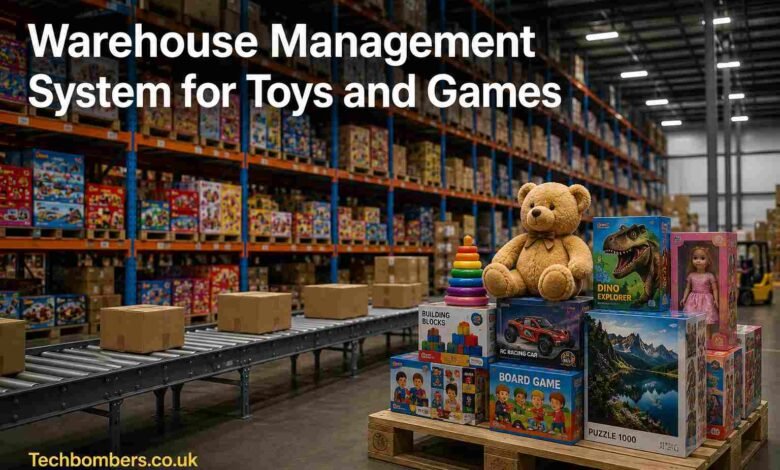
A toy warehouse looks simple from the outside. Shelves are filled with action figures, puzzles, board games, dolls, remote-control cars, and educational products waiting to be shipped. But behind those shelves, there is a constant flow of inventory movement, order processing, stock tracking, packaging, and returns management. Without proper organization, even a medium-sized toy business can quickly face delayed shipments, missing products, damaged packaging, and inventory confusion.
The toys and games industry is different from many other retail industries. Products come in different shapes, sizes, packaging styles, and seasonal demand patterns. Some toys sell steadily throughout the year, while others suddenly become high-demand items during holidays, school vacations, or special events. This makes inventory planning more difficult than many business owners expect.
A warehouse management system helps toy businesses organize all of these operations from one central system. It improves inventory accuracy, speeds up order processing, reduces warehouse mistakes, and creates a smoother experience for both the business and the customer. Whether a company sells toys online, supplies retailers, or manages wholesale distribution, warehouse management plays a major role in daily operations.
This guide explains how warehouse management systems work in the toy and games industry, what challenges they solve, and why they are important for long-term business growth.
What Is a Warehouse Management System?
A warehouse management system, often called a WMS, is software designed to manage warehouse operations. It helps businesses control inventory, monitor stock movement, organize storage locations, track incoming and outgoing products, and manage order fulfillment.
Instead of manually checking inventory with spreadsheets or paper records, warehouse staff can use a WMS to track products in real time. Every product movement inside the warehouse can be recorded automatically through barcode scanners, mobile devices, or RFID systems.
In the toy industry, this becomes especially useful because warehouses often handle thousands of different products. A single warehouse may store educational toys, electronic games, outdoor play equipment, plush toys, building sets, and seasonal items at the same time. Managing all of these products manually creates unnecessary risk and confusion.
A warehouse management system simplifies these operations by helping staff quickly locate products, update inventory counts instantly, and process customer orders more efficiently.
Why Toy and Game Businesses Need a Warehouse Management System
Toy businesses deal with a wide range of inventory challenges. Many products look similar, packaging can be fragile, and customer demand changes throughout the year. Without an organized system, warehouses can easily become difficult to manage.
One major challenge is inventory variety. A toy warehouse may store thousands of SKUs with different colors, sizes, and packaging styles. Even a small error in inventory tracking can lead to incorrect shipments or missing products.
Seasonal demand is another challenge. During holidays and special shopping periods, order volumes increase rapidly. Businesses that rely on manual inventory systems often struggle to keep up with sudden demand spikes. Products may go out of stock unexpectedly, while slow-moving items continue taking up warehouse space.
A warehouse management system helps businesses respond faster to these changes. Managers can monitor stock levels in real time, identify fast-selling products, and reorder inventory before shortages occur.
Customer expectations have also changed. Online shoppers expect quick delivery and accurate orders. If customers receive the wrong product or experience shipping delays, they may not return to the store again. A proper warehouse system reduces these mistakes and improves customer satisfaction.
How Warehouse Management Systems Improve Inventory Accuracy
Inventory accuracy is one of the biggest advantages of using a warehouse management system.
In toy warehouses, products move constantly. New stock arrives daily, customer orders are packed throughout the day, and returned products need to be checked and restocked. Without accurate tracking, inventory numbers can quickly become unreliable.
A WMS updates stock levels automatically whenever products are received, moved, packed, or shipped. This creates better visibility across the warehouse and reduces manual counting errors.
Barcode scanning is commonly used to improve inventory accuracy. Warehouse staff can scan products during receiving, picking, and shipping processes. This ensures the correct items are being handled at every stage.
Real-time inventory tracking also helps businesses avoid overselling products online. If inventory numbers are inaccurate, customers may place orders for products that are already out of stock. This leads to cancellations, refund requests, and poor customer experience.
Accurate inventory management also improves purchasing decisions. Businesses can identify slow-moving products, monitor sales trends, and avoid unnecessary overstocking.
Common Warehouse Challenges in the Toy Industry
Toy warehouses face several operational challenges that make warehouse management more complex than many other industries.
Seasonal Demand Fluctuations
The toy industry experiences major seasonal demand changes throughout the year. Holidays, school vacations, and special events can dramatically increase sales volumes within a short period.
Without proper planning, warehouses may struggle to handle increased order activity. Delayed shipments, stock shortages, and packing errors become more common during busy periods.
A warehouse management system helps businesses prepare for seasonal demand by providing sales reports, inventory forecasting, and stock movement analysis.
Fragile Packaging and Product Damage
Many toys are packaged in display boxes designed to attract customers. These packages can easily become damaged during storage or transportation.
Electronic toys, collectible products, and boxed board games require careful handling inside the warehouse. Damaged packaging often reduces product value and increases return rates.
Proper storage organization and handling procedures help reduce product damage and improve warehouse efficiency.
Large Product Variety
Toy warehouses often contain thousands of different items with similar appearances. Small packaging differences can confuse warehouse staff during picking and packing processes.
A WMS reduces these mistakes by assigning exact storage locations and guiding staff through order fulfillment processes.
Managing Product Returns
Returns management is another common challenge in the toy industry. Customers may return products due to damaged packaging, missing parts, or incorrect shipments.
Warehouse systems help businesses inspect returned products, update inventory records, and restock sellable items efficiently.
Key Features of a Warehouse Management System for Toys and Games
Not every warehouse management system is designed for toy businesses. Some features are especially important for handling toy inventory effectively.
Real-Time Inventory Tracking
Real-time tracking allows warehouse managers to monitor stock levels instantly. Businesses can check available inventory, incoming shipments, and order status without manual counting.
This reduces inventory confusion and improves order accuracy.
Barcode and RFID Scanning
Barcode scanning improves warehouse speed and reduces picking mistakes. Staff can scan products during receiving, storage, and shipping processes.
Some larger warehouses also use RFID technology for faster inventory tracking.
Storage Location Management
A WMS helps organize products by assigning exact storage locations. Toys can be grouped based on category, popularity, age group, or seasonal demand.
This improves picking speed and warehouse organization.
Order Management
Warehouse systems help businesses process customer orders more efficiently. Orders can be prioritized, grouped, and tracked throughout the fulfillment process.
This becomes especially useful during high-volume sales periods.
Reporting and Analytics
Warehouse reports help businesses understand sales trends, inventory movement, and operational performance.
Managers can identify best-selling products, monitor warehouse productivity, and improve inventory planning.
Best Storage Practices for Toys and Games
Proper storage organization improves warehouse efficiency and protects products from damage.
Organize Products by Category
Grouping similar products together helps warehouse staff locate items quickly. Educational toys, board games, electronic products, and outdoor toys should have separate storage sections.
This reduces picking time and improves order accuracy.
Use Clear Product Labels
Every storage location should be clearly labeled with product information and SKU numbers. Labels reduce confusion and improve warehouse navigation.
Barcode labels also improve scanning accuracy during fulfillment operations.
Store Fragile Products Carefully
Electronic toys and collectible products require extra protection during storage.
Heavy products should not be placed on top of fragile packaging. Warehouses should also use protective materials where necessary.
Keep Fast-Selling Products Accessible
Popular products should be stored in easily accessible locations near packing stations.
This reduces travel time inside the warehouse and speeds up order fulfillment.
Warehouse Automation in the Toy Industry
Automation is becoming more common in modern warehouses. Many toy companies now use automation tools to improve speed and reduce operational costs.
Automated barcode scanning systems reduce manual work and improve inventory tracking. Conveyor systems help move products across large warehouses more efficiently.
Some large warehouses use robotics for picking and sorting operations. Automated systems can process high order volumes faster than manual operations alone.
Cloud-based warehouse systems also allow managers to monitor operations remotely. Inventory updates, sales reports, and warehouse performance data can be accessed from mobile devices or computers.
While smaller toy businesses may not need advanced robotics, even simple automation tools can improve warehouse efficiency significantly.
How a Warehouse Management System Improves Customer Satisfaction
Customers rarely think about warehouse operations when placing an order online. They simply expect the correct product to arrive quickly and in good condition.
Warehouse management directly affects customer experience.
Accurate inventory tracking reduces canceled orders. Faster fulfillment systems improve shipping speed. Organized packing procedures reduce damaged shipments and missing items.
A warehouse management system also improves communication between departments. Customer service teams can check order status instantly and provide accurate updates to buyers.
When customers receive reliable service consistently, they are more likely to trust the business and place future orders.
Choosing the Right Warehouse Management System
Every toy business has different warehouse needs. Small online stores may only require basic inventory tracking, while large distributors may need advanced automation and reporting tools.
Businesses should choose a warehouse management system based on their warehouse size, order volume, and operational complexity.
Scalability is important. As a toy business grows, the warehouse system should support larger inventory volumes and additional warehouse locations.
Ease of use also matters. Complicated systems slow down warehouse operations and require additional staff training.
Integration with eCommerce platforms is another important factor. Many toy businesses sell products through websites, marketplaces, and retail channels at the same time. A warehouse system should sync inventory across all sales channels automatically.
Reporting features are also valuable because they help businesses understand inventory performance and sales trends.
Future Trends in Toy Warehouse Management
Warehouse operations continue changing as customer expectations grow.
Faster delivery has become a major focus for many toy businesses. Customers now expect shorter shipping times and real-time tracking updates.
Artificial intelligence is also improving inventory forecasting. Smart systems can analyze sales history and predict future demand more accurately.
Mobile warehouse applications are becoming more common as well. Staff can manage inventory, scan products, and process orders directly from handheld devices.
Sustainability is another growing trend. Many warehouses are improving packaging methods, reducing waste, and optimizing shipping processes to lower operational costs.
As eCommerce continues growing, warehouse management systems will become even more important for toy and game businesses.
Conclusion
Managing a toy warehouse involves much more than storing products on shelves. Inventory accuracy, storage organization, order fulfillment, product handling, and customer satisfaction all depend on efficient warehouse operations.
A warehouse management system helps toy and game businesses control these operations more effectively. It reduces inventory mistakes, improves fulfillment speed, supports better storage organization, and creates a smoother workflow throughout the warehouse.
For businesses handling large product catalogs and seasonal demand changes, warehouse management systems are no longer optional. They are an important part of maintaining operational efficiency and providing reliable customer service.
Whether a company operates a small online toy store or a large distribution warehouse, investing in better warehouse management can improve daily operations and support long-term business growth.
FAQs
What is a warehouse management system for toys and games?
A warehouse management system for toys and games is software that helps businesses manage inventory, organize warehouse storage, track stock movement, and process customer orders efficiently.
Why is inventory tracking important in toy warehouses?
Inventory tracking helps businesses avoid stock shortages, reduce warehouse mistakes, improve order accuracy, and maintain better control over product movement.
How does a warehouse management system improve order fulfillment?
A WMS improves order fulfillment by organizing inventory locations, guiding warehouse staff during picking processes, and reducing packing errors.
Can small toy businesses use warehouse management systems?
Yes. Many warehouse management systems are designed for small and medium-sized businesses. Even basic inventory software can improve warehouse organization and efficiency.
What are the benefits of warehouse automation in toy businesses?
Warehouse automation improves inventory accuracy, reduces manual work, speeds up order processing, and helps businesses manage larger order volumes more efficiently.