
Improving Turnaround Times with a Laboratory Information Management System in Hospitals

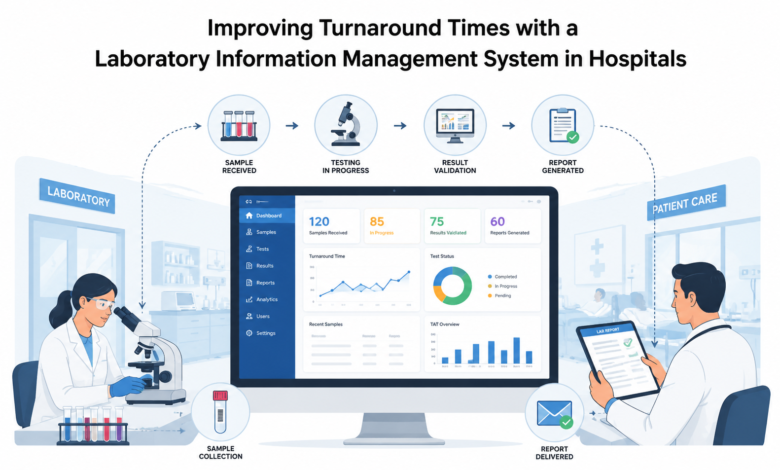
Trying to improve turnaround times in hospitals is kinda critical, because patients need timely care and well , that’s the whole point. A Laboratory Information Management System, or LIMS, basically ends up being a key part of the workflow. When a hospital blends advanced technology into what the lab is already doing, they can smooth out how samples are tracked, lower the chance of manual mistakes, and also speed up when results come back. It helps the lab run more efficiently, yes, and it gives clinicians more solid information for better decisions, not just faster ones. Using a LIMS lets healthcare teams fine-tune laboratory performance, which in turn can support better patient outcomes and overall hospital productivity.
Understanding a Laboratory Information Management System
Understanding a Laboratory Information Management System (LIMS) is kinda essential for modern healthcare. A Laboratory Information Management System is essentially a digital platform that assists laboratories with samples, data, workflows, and reporting in a smoother way. In healthcare spaces, it supports accuracy, automation, and a more coordinated flow between different departments, which matters a lot.
LIMS plays in healthcare, meaning it helps diagnostic work move faster, while also cutting down manual errors that happen during routine lab tasks. Inside a hospital, Laboratory Software ties testing results to patient records, so clinical decisions can be made quicker, usually with less friction. It also supports compliance, data protection, and easier communication between lab teams and healthcare professionals.
Healthray offers a modern Laboratory Information Management System built for advanced healthcare requirements. It helps hospitals simplify laboratory operations, improve turnaround time, and elevate overall patient care quality. With Healthray, LIMS plays in healthcare by connecting labs, hospitals, and clinicians through integrated Laboratory Software systems, sort of like a unified circuit.
Overall, LIMS plays in healthcare by raising efficiency across laboratories, reducing hold-ups , and enabling data-driven decisions across hospitals and wider healthcare networks. That makes Laboratory Software a pretty important piece of digital change in healthcare. Hospitals adopting the Healthray Laboratory Information Management System gain better correctness, stronger resource oversight, and faster reporting cycles, which then supports improved patient outcomes and more reliable care delivery. It also enhances interoperability across hospital systems and laboratory sections effectively, in real time, securely and efficiently, always compliant.
Challenges Affecting Laboratory Turnaround Times
Laboratory turnaround times are a major deal for delivering timely patient care, but a lot of hospitals still hit issues that make diagnostics drag on a bit. A big part of it is manual data entry, it adds friction, boosts the chance of errors, and then there is all that extra time for double checking and fixing things. On top of that, sample tracking that is not well designed can end up with misplaced specimens, longer waits before tests start, and also those awkward communication gaps between lab staff and clinicians.
There’s another big hurdle too, the lack of integration between lab systems and the wider hospital management platforms. When information is sitting in separate places, healthcare professionals might get test results later than they need, and that can affect clinical decisions, even though they are trying to act quickly. Plus, high sample volumes, staffing shortages, and complex compliance or regulatory requirements all pile up and create workflow bottlenecks.
Also, many laboratories still run on older processes so performance is hard to watch, and it becomes difficult to spot what should be improved. This is exactly where advanced laboratory solutions come in. The best LIMS software in India supports healthcare organizations in tackling these issues by automating day to day workflows, strengthening sample traceability, and allowing real time access to data. When these operational problems are handled properly, turnaround times drop, overall efficiency rises, and patient outcomes tend to get better too.
How a Laboratory Information Management System Improves Turnaround Times
A lab management information system plays a vital role in helping laboratories deliver faster and more accurate results. By automating routine processes and improving workflow efficiency, it significantly reduces delays and enhances productivity. Here are some key ways it improves turnaround times:
1. Automates Data Entry
- Eliminates manual paperwork and repetitive tasks.
- Reduces human errors that can lead to testing delays.
- Ensures accurate and consistent patient information.
2. Streamlines Sample Tracking
- Tracks samples in real time from collection to reporting.
- Minimizes the risk of misplaced or lost specimens.
- Improves visibility across laboratory operations.
3. Enhances Workflow Management
- Automatically assigns tasks based on workload and priority.
- Reduces bottlenecks in testing and reporting processes.
- Improves coordination among laboratory staff.
4. Accelerates Result Reporting
- Generates test reports quickly and accurately.
- Enables instant access to laboratory data for healthcare professionals.
- Supports faster clinical decision-making and patient treatment.
5. Integrates with Other Systems
- Connects seamlessly with hospital and diagnostic platforms.
- Facilitates smooth data exchange between departments.
- Reduces delays caused by disconnected systems.
6. Supports Efficient Billing Processes
- Integrates with Laboratory Billing Software to automate billing and invoicing.
- Reduces administrative workload and payment processing time.
- Improves overall operational efficiency.
7. Provides Real-Time Monitoring and Analytics
- Offers insights into laboratory performance and turnaround times.
- Helps identify inefficiencies and areas for improvement.
- Enables data-driven decision-making.
By combining automation, real-time tracking, and advanced reporting capabilities, modern Laboratory Software helps laboratories improve efficiency, reduce turnaround times, and deliver better patient care.
Impact on Patient Care and Outcomes
The rollout of advanced laboratory technologies can, in a very straightforward way, help patient care and, honestly, clinical outcomes too. A modern LIMS software solution tends to let labs handle samples more quickly, cut down on mistakes, and send back reliable test results at the right moment. When results are ready faster, clinicians can make decisions sooner, which usually means earlier diagnoses and treatment plans that are actually more effective.
Also, Pathology lab software pushes efficiency along by sort of smoothing laboratory workflows, automating everyday tasks, and keeping data management consistent. That means fewer manual missteps, and the diagnostic output feels more dependable. So the patient gets the appropriate treatment at the appropriate time, which lifts overall healthcare quality, even if it’s not always obvious right away.
Then there is the communication side. Laboratory software helps labs, physicians, and healthcare departments coordinate better. With real-time access to test results , medical teams can work together more effectively and react promptly to what the patient needs. This matters a lot in critical care situations, because quick intervention can change the whole trajectory of outcomes.
Overall, by improving turnaround times, supporting higher accuracy, and helping manage workflow more efficiently, laboratory technology supports patient satisfaction, strengthens safety measures, and improves clinical outcomes. In the end it supports healthcare organizations in delivering care that is more reliable and more patient-centered, even if the day to day looks a little chaotic.
Implementation Best Practices
Getting laboratory information management system software up and running well really depends on careful planning, clear objectives, and that ongoing kind of support that doesn’t just stop after go-live. In practice , hospitals and diagnostic labs ought to start by looking closely at their operational needs, the usual workflow obstacles , and what they actually want in the long run. That way the chosen system can match what the organization expects and still deliver the biggest payoff possible.
A very solid best practice is keeping key stakeholders in the loop during the whole implementation period. Lab managers, technicians, the IT team, and healthcare professionals should work together to find the truly essential functions, and also help streamline system adoption. Their feedback can be the thing that shapes workflows which boost efficiency and at the same time reduce those annoying interruptions.
Also, training the staff thoroughly is pretty much non negotiable. People need to understand how to use the system effectively, so they get real benefits and not just more resistance to change. Regular training sessions , plus hands-on technical support, can help users adjust sooner and feel sure about what they are doing.
On top of that, data migration and system integration deserve real attention, not a rush job. Making sure there’s smooth connectivity with current hospital and lab platforms helps keep data correct, and it improves communication across units, departments, etc. where it matters.
And then after it’s live, organizations should keep an eye on performance, and collect user input consistently. Regular check-ins and evaluations can reveal gaps for refinement, so the software keeps supporting day to day operational goals, strengthens productivity, and can even help shorten laboratory turnaround times.
Conclusion
Making laboratory turnaround times better is kind of essential, so patient care stays efficient and high quality, not just in theory but in practice. A Laboratory Information Management System can help hospitals smooth out workflows and reduce friction, plus it can automate the routine stuff , so staff can focus on the more delicate parts. It also improves how samples are tracked across the whole process, and that alone can cut down on operational mistakes that otherwise sneak in quietly. When data accuracy goes up, and the reporting of results gets faster, then healthcare teams can reach clinical decisions more quickly and this tends to support better patient outcomes.
And since more hospitals keep moving toward digital transformation, putting a solid laboratory management solution in place becomes a strategic investment. In other words it supports efficiency , day to day productivity, and also long-term healthcare excellence, even when things get more complex later on.