
When you have a family member who’s sick for a long time, you know how scary it is to wait for the next doctor’s visit to see if they are getting better or worse. A lot of things can happen between those visits. That is where a remote patient monitoring system comes in. It does not replace the doctor. It keeps an eye on the patient when no one else can.
What Is a Remote Patient Monitoring System?
A remote patient monitoring system is a way for doctors and nurses to check a patient’s health from outside the hospital from the patient’s home. For example, if you normally go to the clinic every day to get your blood pressure checked, a device can do it for you and send the reading to your doctor.
It is really simple. The patient wears a device; the device checks their health. That information goes to the doctor through a special app or software. That is how a remote patient monitoring system works. What makes a remote patient monitoring system useful is that it happens all the time, not every few weeks. A remote patient monitoring system is always checking on the patient, which is very helpful.
Components of an RPM System
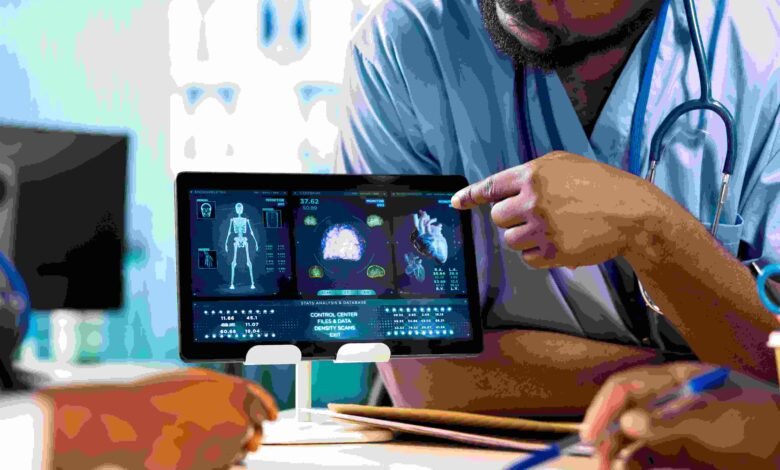
Remote patient monitoring systems have three main parts: a device that the patient uses, like a blood pressure cuff; a mobile app that sends the information; and a special dashboard where the doctor can see everything. Some systems also let the doctor talk to the patient on video.
How RPM Systems Work
When a patient uses the device like checking their oxygen levels in the morning the information gets sent to the doctor away. The doctor sees it immediately. If something does not look right the system can send a warning. The doctor can call the patient before a small problem gets big. Remote patient monitoring systems are very helpful. Remote patient monitoring systems make it easier for doctors to take care of patients.
Benefits of Remote Patient Monitoring Systems
Better Chronic Disease Management
For patients with long-term conditions like diabetes or high blood pressure or asthma Remote Patient Monitoring Systems make it easier to manage their condition. Of relying on what the patient remembers to tell the doctor the doctor can see all of the patients data. The data is consistent and timestamped and objective.
Key Features of Remote Patient Monitoring Systems
Secure Patient Data Management
Patient data is sensitive. Anybody who is serious about Remote Patient Monitoring Systems knows that security is very important. Good systems use encryption and role-based access controls and secure cloud storage. This keeps the patients information safe.
Integration with Healthcare Systems
The Remote Patient Monitoring Systems connect directly with the existing electronic health record systems. This way the data flows into the patients chart automatically. The doctors and nurses do not have to log in to a system to see the data. This is important for workflows. Doctors and nurses are very busy, which means that they cannot be logging in to a lot of different systems.
How Remote Patient Monitoring Systems Help Providers
Improved Clinical Decisions
When a provider has access to 30 days of daily blood pressure readings instead of just one reading taken in the office (where the patient is probably a little anxious), they can make much more informed decisions about treatment. The data is richer, and so are the decisions.
Better Patient Communication
RPM also helps facilitate natural times for doctors and patients to communicate with each-other between visits .
Operational Efficiency
Remote Patient Monitoring is really helpful for clinics and health systems. It means patients do not have to visit the clinic often which is especially good for patients who live far away.
Choosing the Right Remote Patient Monitoring System
When you are looking to purchase a Remote Patient Monitoring system, there are a few things that really matter. The system must interface with the clinics computer system. It has to be easy to use for patients even if they’re not good with technology. The system should be able to notify the clinic if there is a problem with a patient’s health.
The data security should be good for the system company. If the system is difficult to use then patients and staff will not use it regularly. This is the entire point of Remote Patient Monitoring.
Conclusion
A Remote Patient Monitoring system is not a solution to all healthcare problems. It does help with one big problem. This problem is what happens to patients between appointments. For people with conditions this can be a big issue. Remote Patient Monitoring keeps the care team informed catches problems early and makes patients feel more confident that someone is looking out for them.
If you are looking for a Remote Patient Monitoring system for your clinic or health system you need to choose the platform. The right platform depends on your patients the technology you already have and how your clinic is set up. Getting these things right is what makes a monitoring tool really work.
FAQs
How do remote patient monitoring systems work?
The patient uses a device to record their health readings, which are sent to the clinic through an app or cellular connection. The care team can then review the readings in near time.
Are remote patient monitoring systems secure?
Good Remote Patient Monitoring platforms use encryption and data storage. When you are evaluating a vendor you should ask about their data security certifications and access controls. This is because standards can vary across platforms. Remote Patient Monitoring systems that are secure will keep data safe.