

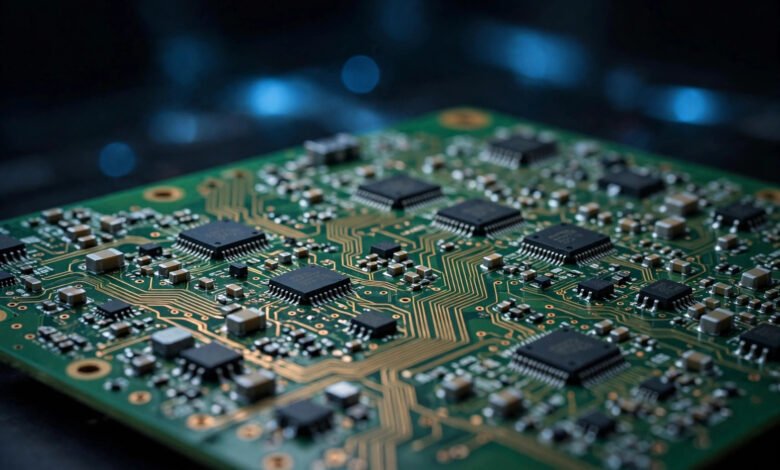
Technology is advancing rapidly, creating a growing demand for electronic devices that are smaller, faster, more powerful, and more reliable. From smart consumer products and industrial automation to telecommunications and advanced computing systems, modern hardware requires innovative circuit board solutions. Manufacturers must adopt advanced technologies and efficient production methods to meet these changing requirements. FastTurn PCBA supports this evolving industry by providing PCB manufacturing and assembly solutions that help businesses turn hardware concepts into functional products.
Meeting the Demands of Modern Hardware
Next-generation hardware development involves more than designing electronic components. Engineers must consider board size, electrical performance, thermal management, signal integrity, and manufacturing costs. These factors directly influence how well an electronic product performs in real-world applications.
Advanced PCB technologies allow designers to create compact layouts while maintaining reliable electrical connections. This is particularly important for products that require high component density and complex circuit arrangements. By supporting modern manufacturing requirements, FastTurn PCBA helps businesses develop electronic products that meet current performance expectations.
The Importance of Advanced PCB Manufacturing
Printed circuit boards provide the foundation for almost every modern electronic device. As technology becomes more sophisticated, traditional PCB designs may not offer enough space or flexibility for increasingly complex hardware.
This is where hdi pcb fabrication becomes valuable. High-Density Interconnect (HDI) technology uses advanced design techniques, including microvias, fine lines, and closely spaced connections, to accommodate more components within a smaller board area.
HDI boards are particularly useful in smartphones, wearable technology, medical equipment, and advanced communication devices. They help engineers develop compact products without sacrificing important electrical functions. Choosing a manufacturing partner with the right technical capabilities is essential for achieving consistent results.
Supporting Faster Product Development
Speed is an important factor in the electronics industry. Businesses often need to move from initial designs to working prototypes within limited development schedules. Delays during manufacturing or assembly can affect product launches and increase overall project expenses.
FastTurn PCBA supports efficient development through manufacturing and assembly processes designed to help businesses manage different production requirements. A streamlined workflow can reduce unnecessary delays between PCB fabrication, component sourcing, assembly, and testing.
Rapid prototyping also gives engineers opportunities to evaluate their designs before moving into larger production quantities. Identifying potential problems during early development can prevent expensive modifications later.
Improving Design Flexibility and Performance
Modern electronic products serve different industries, meaning every hardware project has unique requirements. Some applications prioritize compact dimensions, while others require high-speed signal transmission, thermal stability, or long-term durability.
Flexible PCB design and advanced manufacturing methods allow engineers to select suitable materials, board structures, and component arrangements. These decisions help manufacturers develop products according to their intended applications.
For example, communication equipment may require careful signal routing to maintain performance, while industrial control systems need reliable operation under demanding conditions. FastTurn PCBA can support hardware development by providing manufacturing solutions aligned with different electronic design requirements.
Maintaining Quality Through Assembly and Testing
Even a well-designed circuit board cannot deliver reliable performance if its components are incorrectly assembled. PCB assembly involves several important processes, including solder paste application, component placement, reflow soldering, and inspection.
Surface Mount Technology (SMT) plays a major role in modern electronic manufacturing because it allows components to be installed efficiently on compact circuit boards. Automated assembly equipment helps improve placement accuracy and maintain consistency across production batches.
Quality inspection is equally important. Depending on project requirements, manufacturers may use automated optical inspection, X-ray inspection, and functional testing to identify possible defects. These processes help detect assembly issues before finished products reach customers.
Supporting Innovation Across Industries
Next-generation hardware is transforming multiple industries. Consumer electronics companies are developing smarter and more compact devices, while automotive manufacturers are integrating advanced electronic systems into modern vehicles. Healthcare equipment also increasingly depends on sophisticated circuit boards for monitoring, diagnostics, and medical applications.
Industrial automation is another important area where reliable electronics are essential. Sensors, controllers, communication modules, and monitoring systems all depend on properly manufactured PCBs.
FastTurn PCBA contributes to this broader manufacturing environment by supporting the development of electronic products for different applications. Access to suitable fabrication and assembly capabilities allows businesses to explore new designs while maintaining practical production considerations.
Reducing Manufacturing Challenges
Hardware development can involve several challenges, including component availability, design complexity, production costs, and quality control. Managing these factors requires communication between engineers, designers, and manufacturing teams.
Early design evaluation can help identify potential manufacturing limitations. Design for Manufacturability (DFM) reviews, for example, allow engineers to assess whether a circuit board layout is suitable for the intended production process.
Material selection, component compatibility, and board specifications should also be reviewed before manufacturing begins. Addressing these details early can reduce production complications and support more predictable project outcomes.
Building a Stronger Future for Electronics
The future of hardware development will continue to depend on innovation, manufacturing precision, and efficient production methods. Technologies such as HDI boards, advanced SMT assembly, and improved inspection systems are helping manufacturers meet increasingly demanding electronic design requirements.
FastTurn PCBA represents a useful manufacturing resource for businesses looking to develop modern electronic products. By combining PCB fabrication knowledge with assembly capabilities, it supports the different stages involved in turning electronic designs into finished hardware.
As industries continue adopting smaller, smarter, and more connected devices, reliable manufacturing partnerships will remain essential. Businesses that focus on advanced PCB technologies, careful design planning, and consistent quality control will be better positioned to meet future hardware demands and compete in an evolving electronics market.