
A roof often shows early warning signs before serious structural damage begins. Cracked tiles, faded coatings, loose ridge capping, minor leaks, rust marks, blocked valleys, and worn pointing may seem like small issues at first. However, when these problems are left untreated, they can slowly affect the parts of the home beneath the roof surface.
Many homeowners wait until a roof leak becomes obvious before taking action. By that point, moisture may already have reached the roof cavity, ceiling plaster, insulation, timber battens, or internal walls. This is why timely roof maintenance matters. In many cases, Roof Restorations can help repair surface damage, improve weather protection, and delay the need for larger structural work.
Roof restoration is not the same as replacing the entire roof. It focuses on repairing, cleaning, resealing, repainting, and strengthening the existing roof where the structure is still suitable. When done at the right time, it can extend the life of the roof and protect the home from more expensive damage.
Roof Damage Often Starts Small
Most major roof problems do not appear suddenly. They usually start as small defects that slowly get worse. A cracked tile can allow small amounts of water into the roof space. Loose pointing can expose ridge areas to rain. Rust on metal roofing can spread. Blocked gutters can cause water to overflow into eaves and wall cavities.
At first, these issues may not seem serious. The home may still look fine from the outside, and there may be no visible ceiling stains inside. However, water only needs a small entry point to start causing damage. Over time, moisture can weaken timber, damage insulation, stain ceilings, and create mould issues.
Restoring the roof early helps deal with these problems before they become structural. Instead of waiting until internal damage appears, homeowners can repair weak points while the roof is still in a condition worth saving.
How Roof Restoration Protects the Roof Structure
A roof is made up of more than the tiles or sheets you see from outside. Beneath the surface, there are battens, rafters, underlay, sarking, insulation, and ceiling materials that all rely on the outer roof covering for protection. Once the roof covering fails, the structure beneath becomes exposed to moisture and weather damage.
A proper restoration can help protect these hidden parts of the home. During the process, damaged tiles may be replaced, ridge capping may be rebedded and repointed, metal areas may be treated, and the surface may be cleaned and sealed. This helps the roof shed water properly and reduces the chance of leaks entering the roof cavity.
Professional Roof Restorations can also identify weak areas that homeowners may not notice from the ground. This can include early rust, cracked bedding, loose fixings, damaged flashing, or worn roof coatings. Fixing these problems early can reduce the risk of deeper structural repairs later.
Preventing Water Damage Inside the Home
Water is one of the biggest threats to a home’s structure. Once it enters through the roof, it can spread in ways that are not always easy to trace. A leak may appear in one room even though the entry point is several metres away. Water can travel along beams, insulation, roof linings, and ceiling plaster before it becomes visible.
This is why roof leaks should never be ignored. Even a small leak can lead to stained ceilings, sagging plaster, mould growth, damaged paint, and weakened timber. If water reaches electrical areas, it can also create safety concerns.
Roof restoration helps reduce this risk by improving the roof’s ability to keep water out. Replacing damaged materials, sealing weak points, and improving roof drainage can stop minor leaks from becoming larger internal repair jobs.
Restoring Ridge Capping and Pointing Matters
Ridge capping is one of the most important parts of a tiled roof. It protects the joints where roof sections meet and helps keep water from entering through the highest points of the roof. Over time, bedding and pointing can crack, loosen, or break away due to heat, rain, wind, and movement.
When ridge capping fails, water can enter through gaps and reach the roof space. Loose ridge caps can also become dangerous during strong winds or storms. This is why repointing and rebedding are often key parts of roof restoration.
By repairing ridge capping before it fails, homeowners can prevent water entry and reduce stress on the roof structure. This type of work is much smaller than repairing damaged ceilings, replacing rotted timber, or dealing with long-term water damage.
Roof Restoration Can Improve Drainage
A roof must move water away from the home quickly and safely. If water sits on the roof, backs up in valleys, or overflows through gutters, it can cause damage to several parts of the property. Poor drainage can affect roof edges, fascia boards, eaves, walls, and foundations.
During roof restoration, roofers often check gutters, valleys, flashing, and drainage points. They may remove built-up dirt, moss, leaves, and debris that stop water from flowing properly. Cleaning and repairing these areas can help prevent future leaks and moisture damage.
Good drainage is one of the simplest ways to protect a home from bigger structural issues. A restored roof that drains properly is less likely to allow water to sit in places where it can cause long-term damage.
Restoring the Roof Can Delay Full Replacement
Not every ageing roof needs to be replaced straight away. If the roof structure is still sound and the damage is mostly on the surface, restoration may help extend its life. This can give homeowners more time before needing to plan a full replacement.
This is especially useful when the roof has faded, minor cracking, worn pointing, surface rust, or early leaks, but is not badly sagging or structurally unsafe. In these cases, Roof Restorations can be a practical middle step between small repairs and complete replacement.
However, restoration is not suitable for every roof. If the roof has widespread structural damage, major sagging, severe rust, or materials that are too old to repair properly, replacement may be the safer option. A professional inspection can help homeowners understand which choice makes sense.
It Can Reduce Long-Term Repair Costs
Small roof problems can become expensive if they are ignored. A loose tile can turn into a ceiling leak. Worn pointing can lead to moisture in the roof space. Blocked drainage can damage eaves and walls. Rust can spread across metal sections if it is not treated early.
Restoring the roof can reduce the chance of these problems getting worse. While restoration has an upfront cost, it can help homeowners avoid repeated repair bills and larger structural work later. It also gives the roof a more stable condition, which makes future maintenance easier.
In many cases, homeowners spend more money over time by constantly patching separate problems instead of addressing the roof as a whole. A restoration can bring several related issues under control at once.
A Restored Roof Also Improves Street Appeal
While protection is the main reason to restore a roof, appearance also matters. A roof that is stained, faded, moss-covered, or patchy can make the whole property look older. This can affect street appeal, especially if the home is being prepared for sale or renovation.
Roof restoration can refresh the roof’s appearance through cleaning, repairs, sealing, and coating. A cleaner and better-maintained roof can make the property look more cared for from the outside. More importantly, it shows that the roof has been maintained rather than left to deteriorate.
When Should Homeowners Consider Roof Restoration?
Homeowners should consider roof restoration when the roof is showing signs of wear but is still structurally sound. Common signs include cracked tiles, faded colour, moss growth, loose ridge capping, minor leaks, rust spots, worn pointing, and gutters that are not coping properly with rain.
It is also worth arranging an inspection if the roof has not been checked for several years. Some damage is not visible from the ground, and early problems can be missed until water starts entering the home.
A professional roofer can inspect the roof and explain whether restoration, repair, or replacement is the best option. This helps homeowners avoid guessing and spending money on the wrong solution.
Final Thoughts
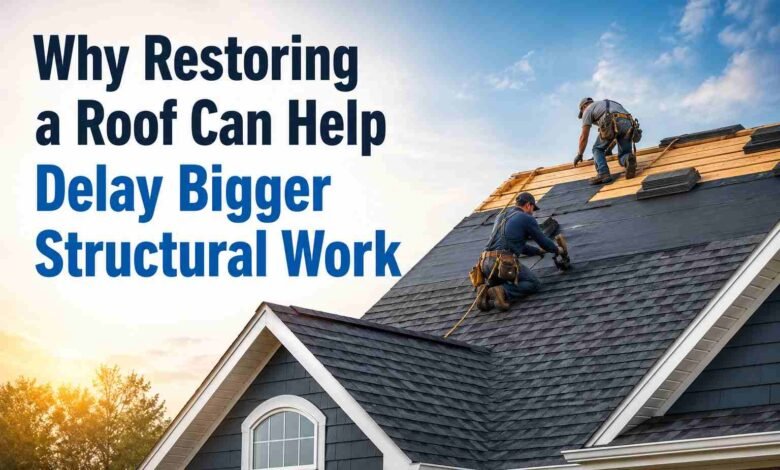
Restoring a roof at the right time can help protect the whole property. It can repair weak points, improve water resistance, support better drainage, protect hidden roof structures, and delay the need for bigger structural work.
A roof does not need to be failing before it receives attention. In fact, the best time to act is often when the problems are still manageable. Professional Roof Restorations can help homeowners extend the life of their roof, reduce future repair risks, and keep the property protected from weather-related damage.