
What is a Warehouse Labor Management System (LMS)?
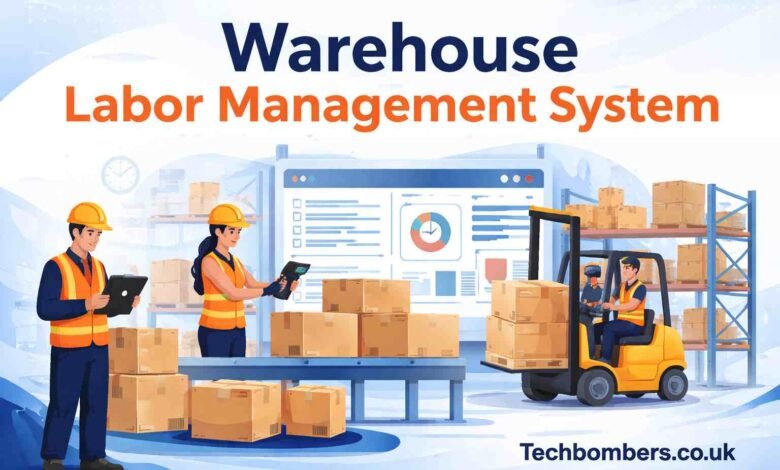
Managing labor effectively is crucial for warehouse operations. A Warehouse Labor Management System (LMS) helps streamline workforce scheduling, task allocation, performance tracking, and labor forecasting. By automating these processes, an LMS reduces inefficiencies, cuts costs, and increases productivity.
Labor in warehouses is often one of the most significant expenses, and any inefficiency can lead to higher operational costs. An LMS ensures that the right number of workers is available at the right time, helps monitor their performance, and ensures they are completing tasks efficiently.
The Importance of Labor Management in Warehouse Operations
Warehouse labor is vital to day-to-day operations, but it’s often overlooked until inefficiencies arise. Without proper management, labor costs can spiral out of control. If the workforce is underused or overused, or tasks are misallocated, it leads to delays, mistakes, and unnecessary expenses.
For example:
- Overstaffing results in increased payroll costs with little added productivity.
- Understaffing leads to delays in orders, impacting customer satisfaction and overall throughput.
- Misallocated tasks waste time and can result in poor-quality work or accidents.
An efficient labor management system ensures that employees are assigned the right tasks at the right time, with the right tools, creating a seamless workflow. This not only improves warehouse productivity but also enhances employee satisfaction.
Key Features of a Warehouse LMS
A good Warehouse LMS comes with several essential features that help manage labor efficiently. Here’s a closer look at some of them:
Workforce Scheduling
Scheduling is a critical function in warehouse operations. Traditionally, this has been a manual and time-consuming task, often prone to mistakes. An LMS automates scheduling, ensuring that shifts are assigned based on demand, worker availability, and skills. This helps prevent over- or understaffing, ensuring that the workforce is always optimized.
Performance Monitoring & Tracking
An LMS allows managers to track real-time performance. By measuring key metrics such as pick rates, task completion times, and order accuracy, managers can quickly identify performance bottlenecks. If an employee is underperforming, immediate corrective actions can be taken, ensuring that productivity remains high.
Task Allocation & Optimization
With an LMS, tasks are automatically allocated based on each worker’s capabilities, availability, and workload. This ensures that tasks are completed efficiently and on time. When employees are assigned tasks that align with their strengths, it not only speeds up operations but also reduces errors.
Time and Attendance Management
Gone are the days of manually tracking employee hours. LMS platforms automate clock-ins and clock-outs, keeping an accurate record of hours worked and reducing time theft. This system ensures compliance with labor laws and streamlines payroll processing.
Labor Forecasting
Labor forecasting is another key feature of an LMS. By analyzing historical data, the system predicts the number of workers needed during peak seasons or based on anticipated demand. This helps warehouses better prepare for busy periods, ensuring adequate staffing and reducing the risk of being over or under-staffed.
Reporting and Analytics
LMS platforms provide in-depth reports and analytics, which help managers make data-driven decisions. These reports give insight into labor efficiency, workforce costs, and overall warehouse performance. By continuously monitoring these metrics, warehouses can make adjustments that keep them competitive and efficient.
Benefits of Using a Warehouse LMS
When implemented correctly, a Warehouse Labor Management System offers a host of benefits:
Cost Savings
An LMS helps reduce labor costs by ensuring that the workforce is used efficiently. By preventing overstaffing and ensuring that tasks are completed faster and more accurately, companies save on unnecessary expenses. The system also helps reduce overtime, as labor can be optimized across shifts.
Improved Efficiency
An efficient labor management system ensures that every task is completed by the right person at the right time. This minimizes idle time and speeds up the overall process. Workers spend less time waiting for instructions or dealing with inefficiencies, improving the flow of operations.
Better Resource Allocation
An LMS ensures that no worker is overburdened while others are underused. By matching the right tasks with the right employees based on skills and availability, the system ensures that resources are allocated efficiently across all operations.
Enhanced Employee Satisfaction
Employees benefit from an LMS as it provides them with a clear view of their schedules and tasks. With better management, there’s less uncertainty in their workday, which reduces stress and boosts morale. Transparent schedules also give employees more control over their shifts, leading to improved job satisfaction and reduced turnover.
Compliance and Risk Management
An LMS helps ensure that all labor regulations, such as maximum working hours and overtime policies, are adhered to. This not only reduces the risk of legal issues but also ensures that warehouses are compliant with local labor laws.
Technologies Powering Warehouse LMS
Behind every efficient LMS are advanced technologies that enable better workforce management. These are some of the key technologies making an impact:
Cloud-Based Solutions
Cloud-based LMS platforms are becoming increasingly popular because they offer greater flexibility and scalability. With cloud systems, managers can access workforce data in real-time from anywhere, which is crucial for overseeing large-scale operations or managing multiple warehouses.
Mobile Access
Mobile apps that integrate with an LMS allow warehouse employees to view their schedules, clock in and out, and even track their performance on the go. This enhances communication and ensures that employees are always connected to the system, even when they’re on the warehouse floor.
AI and Predictive Analytics
AI and predictive analytics are changing the way warehouses manage labor. By using past data, AI helps predict labor needs for peak seasons or unexpected surges in demand. This not only helps in labor forecasting but also in improving decision-making by analyzing historical patterns.
Integration with Other Warehouse Systems
LMS platforms can integrate seamlessly with other warehouse systems like Warehouse Management Systems (WMS) and Enterprise Resource Planning (ERP) systems. This ensures that data flows smoothly between all operations, reducing errors and improving efficiency across the board.
Real-World Applications of Warehouse LMS
Many businesses have already seen the benefits of implementing an LMS. Here are some examples of real-world applications:
Example 1: E-commerce Retailer
A large e-commerce company faced significant challenges in managing seasonal demand. Using an LMS, they were able to forecast labor needs, schedule employees efficiently, and reduce overtime costs. This resulted in a 20% increase in productivity during peak shopping seasons, without the need to hire additional temporary staff.
Example 2: Seasonal Workforce Optimization
A warehouse that specializes in seasonal products implemented an LMS to predict labor requirements based on demand trends. The system helped the warehouse optimize staffing levels, reducing labor costs by 15% while improving worker satisfaction due to a more balanced workload.
Challenges in Implementing an LMS
Despite the clear benefits, there are a few challenges to implementing an LMS effectively:
Upfront Costs
Implementing an LMS requires an initial investment, particularly in terms of software, hardware, and training. However, the ROI in terms of reduced labor costs and improved efficiency usually makes this investment worthwhile.
Training and Adoption
While an LMS can significantly improve warehouse efficiency, getting employees to adopt the system can take time. Training staff to use the new technology is crucial for its success, and some employees may initially resist the change.
Data Security
LMS platforms store sensitive employee data, and this information must be protected. Ensuring that the system complies with data privacy regulations and uses secure cloud solutions is essential.
Conclusion
A Warehouse Labor Management System (LMS) is a critical tool for modern warehouse operations. By automating and optimizing labor processes, an LMS helps companies reduce costs, improve efficiency, and ensure that their workforce is used effectively. With real-time tracking, predictive analytics, and better task allocation, warehouse managers can make data-driven decisions that improve productivity and enhance overall performance.
For any warehouse looking to stay competitive, adopting an LMS is not just a choice—it’s a necessity. As technology continues to evolve, these systems will only become more advanced, offering even greater benefits to businesses.
For more insights, read our article on: Digital vs Traditional Warehouse: What’s the Real Difference?
FAQs
What does a Warehouse Labor Management System do?
A Warehouse Labor Management System (LMS) automates and optimizes labor scheduling, task allocation, and performance monitoring in warehouses to improve efficiency and reduce costs.
How does an LMS improve workforce efficiency?
By ensuring that tasks are assigned to the right people at the right time, an LMS minimizes idle time and improves task completion speeds, ultimately boosting overall productivity.
Can an LMS help reduce labor costs?
Yes, an LMS helps reduce labor costs by preventing overstaffing, reducing overtime, and ensuring tasks are completed more efficiently, thereby minimizing unnecessary labor expenses.
What technologies are used in LMS?
Modern LMS platforms use cloud computing, AI for predictive analytics, mobile apps for real-time access, and integration with other systems like Warehouse Management Systems (WMS) and Enterprise Resource Planning (ERP).
What challenges come with implementing an LMS?
The main challenges include the initial setup cost, training staff to use the system, and ensuring data security to protect sensitive employee information.