How to Manage Multiple Warehouse Locations with One Inventory System

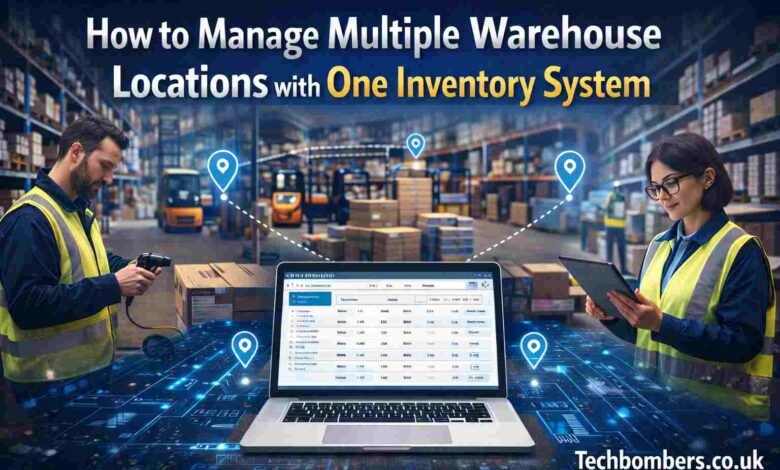
Managing multiple warehouses can be a logistical nightmare if the right systems and strategies are not in place. With the growth of e-commerce and global supply chains, businesses are faced with the challenge of maintaining inventory across multiple locations. This complexity often leads to stockouts, overstocking, or delays that affect customer satisfaction and operational efficiency. But what if there’s a way to seamlessly manage your entire inventory from multiple warehouses using one system?
The answer lies in centralized inventory management systems. These systems allow businesses to track and manage stock in multiple locations through a single interface, ensuring smooth operations, greater control, and accurate data in real-time. Let’s dive into how you can effectively manage multiple warehouse locations with a single inventory system, optimizing processes and ensuring your supply chain runs like a well-oiled machine.
Key Challenges of Managing Multiple Warehouse Locations
When you have several warehouse locations, the challenges start to multiply quickly. These are just a few common issues that businesses face when managing inventory across different sites:
- Inventory Visibility: Without a centralized system, it’s hard to keep track of stock levels across multiple warehouses. This lack of visibility can lead to stock discrepancies, missed sales opportunities, or overstocking in certain locations.
- Coordination Between Warehouses: When stock needs to be transferred between locations, there’s a risk of miscommunication, which can lead to delays or errors in fulfilling orders.
- Data Accuracy: Managing inventory across different warehouses without a unified system increases the chances of data errors. Without synchronization, inventory levels in one warehouse might be inaccurate, which affects the overall picture.
- Scalability Issues: As your business grows, managing multiple locations manually becomes more difficult. Each additional warehouse creates more complexity, making it harder to track and control inventory effectively.
The Benefits of Centralized Inventory Management
So why switch to a centralized inventory management system for multiple warehouses? Here’s how it can make a world of difference:
Real-Time Inventory Updates
A centralized inventory system offers a real-time, 360-degree view of your stock levels across all warehouses. With live data, warehouse managers can instantly access updated information on available stock, reducing errors caused by outdated or missing data. Whether you’re shipping products from one warehouse or transferring stock to another, you’ll always know exactly where everything is, which helps to avoid delays and improve efficiency.
Enhanced Coordination and Communication
Centralizing your inventory management removes silos between locations. When all warehouses are connected to one system, stock levels, orders, and movements can be monitored from a central location. This improves coordination between teams at different locations, ensuring that stock levels are synchronized and orders are fulfilled promptly, no matter where they’re coming from.
Cost Savings and Improved Resource Allocation
With centralized control over multiple locations, businesses can optimize stock distribution. By monitoring the performance of each warehouse in real-time, you can allocate resources more efficiently. For example, if one location has an excess of inventory, stock can be transferred to a warehouse experiencing a shortage. This reduces the cost of storage, handling, and transportation, all while ensuring that customer orders are fulfilled without issue.
Improved Data-Driven Decisions
Having a single point of access to inventory data means better analytics and reporting. With detailed reports on stock levels, order trends, and movement data from all warehouses, business owners and managers can make better-informed decisions. Whether it’s adjusting reorder points, optimizing stock levels, or planning for peak seasons, a centralized system empowers you to use data to your advantage.
Scalability and Growth
As your business grows and you add more warehouses, the need for a scalable solution becomes more evident. A cloud-based inventory system makes it easier to add new locations without significantly increasing complexity. The same system can accommodate your growing business needs, ensuring that you’re always in control of your inventory, regardless of how many warehouses you operate.
How to Choose the Right Inventory Management Software for Multiple Warehouses
Not all inventory management systems are created equal. When choosing the right software for managing multiple warehouses, there are a few key features you should look for:
Multi-location Capabilities
The software should allow you to track inventory across different locations in real-time. Look for systems that offer multi-location support, so you can manage multiple warehouses from one central dashboard. This will give you complete control over inventory across all your locations, with the ability to track product movement, stock levels, and order fulfillment from a single platform.
Cloud-based Access
A cloud-based system provides greater flexibility and accessibility. It allows warehouse managers and employees to access the inventory system from anywhere, anytime. Whether you’re at the headquarters or on-site at a warehouse, you can easily monitor stock levels, issue orders, and update records.
Real-Time Synchronization
Inventory data should be updated in real-time. A delay in updating stock levels can lead to costly mistakes like overselling or failing to fulfill orders on time. Ensure that the software synchronizes inventory data across all locations instantly to maintain accuracy.
Integration with Other Systems
Your inventory management system should integrate smoothly with other systems you use, such as your ERP (Enterprise Resource Planning), accounting software, or e-commerce platform. This integration ensures that data flows seamlessly between systems, making processes more efficient and reducing the chances of errors.
Barcode or RFID Scanning
Barcode or RFID integration is essential for accurate tracking of products. When employees scan items, data is immediately updated in the inventory system, ensuring that all information is accurate and up-to-date.
Optimizing Warehouse Operations with a Centralized System
Once you’ve chosen the right inventory management system, it’s time to optimize your warehouse operations. Here are a few best practices to keep in mind:
Standardize Inventory Management Procedures
Standardizing processes across warehouses is key to maintaining consistency. Whether it’s receiving inventory, picking and packing orders, or conducting stock audits, having a uniform procedure helps reduce errors and ensures smooth operations across locations. Document your processes and train all warehouse employees on the same procedures to minimize discrepancies.
Employee Training and Engagement
Even the best inventory management system is only as effective as the people using it. Regularly train your staff on how to use the system and keep them engaged with the process. Empowering employees with the knowledge and tools they need to do their job effectively will improve the overall efficiency of your warehouse operations.
Implement Barcode and RFID Tracking
Using barcode and RFID technology for inventory tracking significantly reduces human error. By scanning products at various stages of the supply chain—whether it’s when they arrive at the warehouse or when they’re shipped to customers—you can ensure that all data is accurate and up-to-date. This improves inventory visibility and makes managing multiple warehouses easier.
Set Up Automated Alerts for Stock Levels
Automated alerts are a powerful feature in centralized inventory systems. Set up alerts for low stock, out-of-stock items, and product reordering points to ensure that you’re always prepared to meet demand. Automated notifications will alert managers when a warehouse is running low on stock, so they can take action before stockouts affect order fulfillment.
Conduct Regular Stock Audits and Reconciliation
Although a centralized system can help maintain accurate data, regular audits are essential to confirm that physical stock matches your system records. Schedule regular cycle counts or full stock audits to verify inventory accuracy and reconcile any discrepancies. This process ensures that your inventory records are reliable and up-to-date.
Case Studies: How Companies Benefit from Centralized Inventory Management
Case 1: A Large E-commerce Retailer
A large e-commerce company operating in multiple countries faced significant challenges with stock visibility and order fulfillment delays. By implementing a cloud-based inventory management system that tracked stock across all locations, they were able to consolidate data into one system. This real-time visibility allowed them to make quick decisions about stock transfers and ensure that orders were fulfilled from the nearest warehouse, reducing shipping times and improving customer satisfaction.
Case 2: A National Chain of Supermarkets
A national supermarket chain with hundreds of stores across the country struggled with inventory mismatches and delayed stock replenishments. By centralizing their inventory system, the chain was able to track inventory levels across stores, reducing stockouts and improving stock rotation. With a single point of data entry, they significantly decreased errors and ensured that each location had enough stock to meet customer demand.
Conclusion
Managing multiple warehouse locations doesn’t have to be overwhelming. By implementing a centralized inventory management system, businesses can streamline operations, improve coordination, and reduce errors. Real-time inventory visibility, automated stock transfers, and better decision-making capabilities are just some of the benefits that come with centralizing inventory management. Whether you’re a small business scaling up or a large enterprise with a global supply chain, investing in the right system can help you stay ahead of the competition.
With the right tools, processes, and strategies in place, you can efficiently manage your inventory across multiple warehouses and optimize your entire supply chain. So, if you’re looking to streamline your operations and grow your business, it’s time to switch to a centralized inventory management system.
For more insights, read our article on: Warehouse Robotics Trends & Innovations in 2026