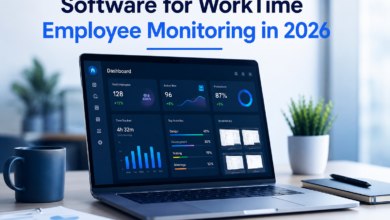


In today’s fast-paced and technology-driven world, businesses increasingly rely on software tools to manage operations, enhance productivity, and ensure competitiveness. But with growing software portfolios and complex licensing requirements, managing this software becomes a daunting task. Enter the Corporate Software Inspector, an essential role that ensures your software systems are optimized, secure, compliant, and cost-efficient.
This blog explores the responsibilities, benefits, tools, and best practices of a Corporate Software Inspector. Whether you’re a business owner, IT manager, or an organization looking to streamline your software management, understanding this role is crucial for ensuring your business remains efficient, secure, and compliant.
What Does a Corporate Software Inspector Do?
A Corporate Software Inspector is responsible for auditing, monitoring, and ensuring the proper management of all software within an organization. From compliance checks to security assessments, this role focuses on optimizing the software systems that are critical for business operations.
Here’s a breakdown of the main tasks a Corporate Software Inspector typically handles:
- Software Audits: Regularly checking software licenses, ensuring proper usage, and making sure all software meets the organization’s internal policies.
- Security Inspections: Identifying vulnerabilities in software systems, assessing risks, and implementing security measures to protect sensitive data.
- Performance Monitoring: Evaluating how well software operates, its impact on productivity, and its compatibility with other business tools.
- Compliance Checks: Ensuring software systems comply with industry regulations and legal standards, including GDPR, HIPAA, and other region-specific laws.
The Need for a Corporate Software Inspector in Today’s Digital Landscape
As companies grow, so does the complexity of their software systems. Without an experienced inspector, organizations can easily fall behind in managing software, leading to inefficiencies, security breaches, and even legal issues.
Increasing Software Complexity
Today, businesses rely on an array of software tools ranging from customer relationship management (CRM) systems, enterprise resource planning (ERP) solutions, to specialized industry-specific software. Managing this software, ensuring it’s up-to-date, and making sure it’s being used effectively can be overwhelming.
A Corporate Software Inspector streamlines this process by ensuring that all software is optimized and secure.
Security Concerns
Cybersecurity threats are constantly evolving. From data breaches to malware attacks, the risks of improper software management are immense. Corporate Software Inspectors focus on identifying security gaps, conducting vulnerability assessments, and ensuring that software remains secure against modern-day cyber threats.
Compliance and Legal Requirements
Compliance is critical in today’s business world. Many industries face stringent regulations regarding data security and software usage. Without a dedicated inspector, businesses can inadvertently violate these regulations, leading to costly penalties. A Corporate Software Inspector helps ensure your software aligns with these regulations, reducing the risk of compliance-related fines.
Key Responsibilities of a Corporate Software Inspector
A Corporate Software Inspector’s role goes beyond simple monitoring. It’s a comprehensive job that ensures that software is being used to its full potential and in compliance with both internal and external standards.
Software Audits
One of the primary responsibilities of a Corporate Software Inspector is performing software audits. This process involves:
- Checking licenses to ensure the company is legally using software.
- Identifying unused software and suggesting ways to eliminate redundancies, which helps reduce unnecessary costs.
- Tracking software versions and ensuring updates are regularly installed to take advantage of new features and security patches.
Security Inspections
Security breaches can cripple a business. As companies increasingly store sensitive information online, securing that data has become more important than ever.
The Corporate Software Inspector is responsible for:
- Evaluating software vulnerabilities that could lead to data breaches.
- Ensuring that antivirus programs, firewalls, and encryption software are up-to-date and functioning correctly.
- Assessing access controls to ensure that only authorized personnel can access critical systems and data.
Performance Monitoring
A Corporate Software Inspector also monitors the performance of the software. They evaluate whether the software systems are functioning as they should and contributing to overall productivity. Tasks include:
- Assessing software speed, stability, and user experience.
- Testing compatibility between different software tools to ensure seamless workflows.
- Identifying areas of improvement and recommending software upgrades or replacements if necessary.
Compliance and Legal Checks
Compliance with industry regulations is vital for all businesses. Whether its data protection laws, licensing rules, or reporting requirements, staying compliant is no easy task.
A Corporate Software Inspector ensures that:
- All software complies with regulatory requirements such as GDPR, HIPAA, and PCI-DSS.
- Audit trails are maintained for transparency and legal protection.
- Software vendors’ compliance is verified, especially when using third-party software.
Benefits of Having a Corporate Software Inspector
Investing in a Corporate Software Inspector brings multiple benefits, ranging from cost savings to enhanced security and compliance. Here are the key advantages:
Cost Efficiency
A corporate software audit helps identify unused or redundant software licenses. This can reduce software-related expenditures and help businesses allocate resources more efficiently.
Enhanced Security
A thorough inspection ensures that the software is protected against potential threats. By identifying vulnerabilities, the Corporate Software Inspector can take proactive steps to prevent data breaches and cyber-attacks.
Improved Performance
By assessing the software’s performance, a Corporate Software Inspector can identify inefficiencies, resulting in better software optimization and smoother workflows.
Regulatory Compliance
A Corporate Software Inspector ensures that businesses adhere to legal requirements, minimizing the risk of costly fines or penalties. Compliance with regulations such as GDPR or HIPAA is essential for building trust and maintaining credibility.
Tools and Technologies Used by Corporate Software Inspectors
To streamline their tasks, Corporate Software Inspectors rely on various tools and technologies that help automate and simplify the inspection process. Some of the most commonly used tools include:
License Management Systems
These tools help track software licenses, ensuring that the company remains compliant with licensing agreements. Popular tools include Flexera, Snow Software, and ManageEngine.
Security Scanners
Tools such as Nessus, Qualys, and Rapid7 help identify vulnerabilities in software systems. These tools are essential for conducting security audits and keeping software secure.
Performance Monitoring Tools
Performance monitoring tools like New Relic or SolarWinds are used to assess the functionality of software, identify slowdowns, and optimize performance.
Compliance Management Software
For businesses in regulated industries, tools such as VComply and Compliance 360 help ensure that software and processes comply with industry standards and regulations.
Best Practices for Effective Corporate Software Inspection
To ensure the success of the inspection process, Corporate Software Inspectors should follow a few key best practices:
Regular Inspections
Inspections should be conducted regularly—whether monthly, quarterly, or annually—to ensure software is up-to-date and secure. A structured inspection schedule is essential for maintaining an optimized software environment.
Use Automated Tools
Automated tools can streamline audits and security checks, improving accuracy and reducing time spent on manual tasks. Tools like Spiceworks and SolarWinds can significantly enhance the inspection process.
Collaboration with Other Teams
Corporate Software Inspectors should work closely with IT, security, and legal teams to ensure a comprehensive approach to software management. Cross-team collaboration ensures that no aspect of the software environment is overlooked.
Maintain Clear Documentation
Keeping accurate records of all audits, inspections, and compliance checks is crucial for transparency. Well-maintained documentation ensures that audits can be easily reviewed in the future.
Challenges Faced by Corporate Software Inspectors
Despite its importance, the role of a Corporate Software Inspector comes with its share of challenges:
Large and Diverse Software Portfolios
As businesses grow, so do their software portfolios. Managing a vast array of tools from different vendors can be a complex task.
Balancing Security with Efficiency
Ensuring software is secure without hampering business operations is often a delicate balance. Corporate Software Inspectors must prioritize both security and efficiency to optimize software performance.
Resistance to Change
Employees and departments may be reluctant to switch software or update their tools. Overcoming this resistance and ensuring full adoption of new software practices can be challenging.
How a Corporate Software Inspector Can Help Your Organization Stay Ahead
A Corporate Software Inspector plays a critical role in ensuring that your business software remains secure, efficient, and compliant with regulations. Proactively managing software systems helps prevent risks, optimize resources, and enhance business performance.
By implementing a regular inspection process, businesses can not only safeguard their data but also create an environment where software works seamlessly to drive productivity.
Conclusion
The role of a Corporate Software Inspector is vital for modern businesses to stay ahead in the competitive market. With the rapid growth of software systems and an increase in cyber threats and regulatory demands, businesses cannot afford to overlook the need for professional software inspection. A Corporate Software Inspector ensures that all software is secure, compliant, and optimized for maximum productivity.
By following best practices and utilizing the right tools, businesses can enhance their software management, reduce costs, and mitigate risks, ensuring long-term success in today’s digital landscape.
For a more in-depth look at how software can streamline business operations, check out our article on: Foxtpax Software: A Comprehensive Business Management Solution
FAQs
What qualifications do I need to become a Corporate Software Inspector?
A Corporate Software Inspector typically requires a background in IT management, cybersecurity, and software auditing. Certifications like CISSP, CISM, or specialized software auditing certifications can be beneficial.
How often should a company conduct a software audit?
It’s recommended to conduct software audits at least once a year. However, businesses with large or complex software environments may benefit from quarterly audits.
What are the risks of not having a Corporate Software Inspector?
Without a Corporate Software Inspector, businesses risk non-compliance, security breaches, inefficient software use, and unnecessary costs due to unused software licenses.