How 3PL Inventory Management Systems Integrate with Modern Warehouse Tech

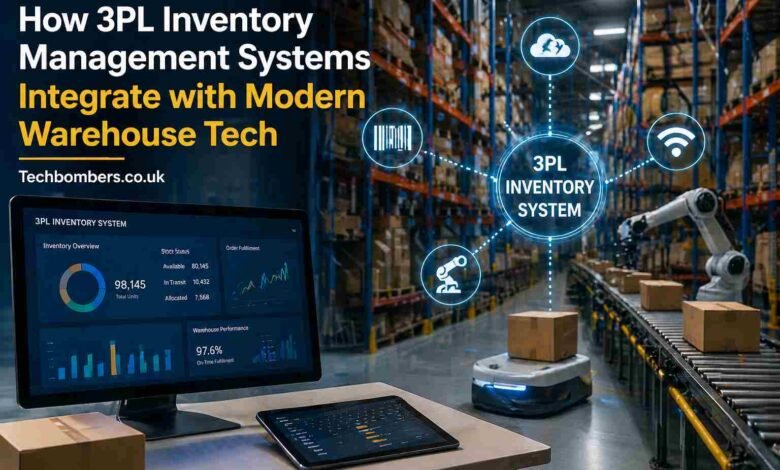
3PL (Third-Party Logistics) inventory management systems play a critical role in modern warehouse operations. They connect businesses with third-party providers who manage warehousing, shipping, and fulfillment, allowing companies to streamline their supply chains. The integration of these systems with modern warehouse technologies, such as RFID, robotics, and artificial intelligence (AI), significantly boosts efficiency, reduces costs, and enhances overall operational performance. In this blog, we’ll explore how 3PL systems work with advanced warehouse tech to revolutionize inventory management and improve supply chain visibility.
What is a 3PL Inventory Management System?
A 3PL inventory management system is designed to handle the logistics, storage, and management of inventory through an outsourced partner, known as a third-party logistics provider. These systems are tailored to automate and streamline the flow of goods in and out of warehouses, ensuring that stock levels are optimized and orders are fulfilled on time.
3PL systems typically include the following features:
- Real-time inventory tracking: Automated updates on stock levels and movements.
- Order processing: Efficient order fulfillment and shipping management.
- Forecasting and demand planning: Anticipating stock needs to avoid shortages or overstocking.
- Reporting and analytics: Insights into warehouse performance and inventory trends.
The system’s core function is to ensure that businesses don’t have to manage all these aspects themselves, relying on a third party with the necessary infrastructure, technology, and expertise.
Integration of 3PL Systems with Modern Warehouse Technologies
Modern warehouses are not just storage spaces; they are hubs of advanced technology designed to enhance speed, accuracy, and efficiency. When integrated with 3PL systems, these technologies work together to optimize the entire supply chain. Here’s how they complement each other:
RFID and Barcode Scanning
Radio Frequency Identification (RFID) and barcode scanning are at the heart of modern warehouse technology. Both technologies allow for real-time tracking of inventory, enabling businesses to know exactly where each item is in the warehouse at any given moment.
When integrated with 3PL systems, RFID tags and barcodes can automatically update inventory counts in the 3PL system, making stock management faster and more accurate. This integration reduces human errors caused by manual stocktaking and ensures that the inventory data is always up-to-date.
For example, as products move through a warehouse, RFID scanners can track their location in real-time, and the 3PL system updates inventory records instantly. This seamless process improves order fulfillment and reduces delays, leading to better customer satisfaction.
Warehouse Management Systems (WMS) and WCS Integration
A Warehouse Management System (WMS) is essential for managing the day-to-day operations of a warehouse, from inventory control to order picking. A Warehouse Control System (WCS) helps automate the equipment used in the warehouse, such as conveyors and automated guided vehicles (AGVs).
When these systems are integrated with 3PL software, it allows for centralized control and real-time updates across multiple warehouses. The WMS ensures that inventory is efficiently picked, packed, and shipped, while the WCS optimizes the movement of goods within the warehouse.
For instance, when an order is placed, the 3PL system communicates with the WMS to trigger order picking, and the WCS ensures that the product moves through the warehouse efficiently, all without manual intervention. This results in faster processing times and fewer errors.
Automation and Robotics
Warehouse automation has become increasingly common with the rise of robotics. Automated picking systems, robotic arms, and drones are transforming how products are handled, picked, and packed. These tools can work 24/7, reducing the need for manual labor and speeding up order fulfillment.
Integrating robotics with 3PL systems allows for seamless communication between the two. For example, when a robotic arm picks up an item, it can automatically update the inventory count in the 3PL system. This integration eliminates human mistakes and speeds up the entire process.
Additionally, automated guided vehicles (AGVs) can transport goods to different parts of the warehouse, all managed by the 3PL system. This collaboration between 3PL software and automation tools ensures that the warehouse operates at maximum efficiency.
IoT (Internet of Things)
The Internet of Things (IoT) involves connecting physical devices, such as sensors, to the internet to gather and transmit data. In modern warehouses, IoT sensors can monitor a wide range of variables such as temperature, humidity, and product condition. These sensors provide real-time insights into the environment and the status of inventory.
When integrated with a 3PL system, IoT data can be used to trigger alerts if products are stored in unsuitable conditions or if there are discrepancies in stock levels. For example, if a temperature-sensitive product is moved out of a controlled environment, the system can alert the warehouse staff or even take corrective actions.
This integration helps ensure product quality and reduces the risk of spoilage, theft, or loss, especially for businesses dealing with perishable goods or valuable items.
AI & Machine Learning
Artificial intelligence (AI) and machine learning are becoming integral parts of warehouse management. These technologies can analyze large amounts of data to predict inventory needs, optimize storage, and enhance demand forecasting.
By integrating AI with 3PL systems, warehouses can anticipate fluctuations in demand, reduce stockouts, and improve inventory turnover. Machine learning algorithms can learn from historical data and adjust inventory levels accordingly. This integration helps businesses maintain the right amount of stock without overstocking or understocking.
For example, AI-powered algorithms can predict which products will be in high demand during certain seasons or events, allowing the 3PL system to proactively adjust inventory levels.
Benefits of 3PL Integration with Modern Warehouse Tech
Efficiency Gains
The integration of 3PL systems with modern warehouse technology eliminates many of the manual processes involved in inventory management. From automated order picking to real-time inventory updates, every step is optimized for speed and accuracy. This leads to faster order fulfillment and a more efficient warehouse overall.
In addition, automated systems reduce the need for labor-intensive tasks, allowing warehouse employees to focus on higher-value activities. This increased efficiency directly translates to cost savings and better resource utilization.
Cost Reduction
Using a 3PL system integrated with cutting-edge technology reduces operational costs in several ways:
- Labor savings: Automation tools reduce the need for manual labor, cutting down on wages and training costs.
- Reduced errors: With accurate inventory tracking, businesses can avoid costly stockouts or overstocking.
- Better space utilization: Technologies like AI and machine learning can optimize storage layouts, ensuring that space is used efficiently.
Moreover, by outsourcing logistics to a 3PL provider, businesses can save on warehouse overheads such as rent, utilities, and infrastructure investment.
Enhanced Order Fulfillment Accuracy
The integration of automation and RFID technology ensures that the right product is always picked and shipped on time. With a 3PL system, inventory data is updated in real-time, providing a more accurate picture of stock levels. This leads to fewer errors in order fulfillment and faster delivery times, which in turn improves customer satisfaction.
Moreover, automated systems minimize human mistakes, ensuring that products are picked, packed, and shipped accurately.
Scalability and Flexibility
As businesses grow, their logistics needs become more complex. A 3PL system integrated with modern warehouse tech is highly scalable, allowing businesses to handle increased order volumes and expand into new regions without worrying about warehouse capacity or infrastructure limitations.
For example, when expanding into a new market, businesses can easily add new warehouses to their 3PL network, with seamless integration of inventory systems, tracking, and order fulfillment.
How 3PL Inventory Systems Work with Multi-Warehouse Setups
For businesses with multiple warehouses, managing inventory across different locations can be a challenge. A 3PL system integrated with modern warehouse technologies makes multi-warehouse management easier by providing centralized visibility and real-time data on inventory levels across all locations.
Centralized Inventory Management Across Locations
By integrating 3PL systems with warehouse technologies, businesses can track inventory in real-time across multiple locations, ensuring that stock levels are always up-to-date. This integration allows for smoother inventory transfers between warehouses, improving stock balancing and reducing the risk of stockouts or overstocking.
Streamlined Stock Balancing
The integration of 3PL systems with warehouse technology also makes stock balancing more efficient. As the system monitors inventory levels across locations, it can automatically trigger stock transfers between warehouses to ensure that demand is met at all times. This process minimizes the chances of delays or disruptions in the supply chain.
Case Studies: Real-World Examples of 3PL Integration in Modern Warehouses
Case 1: E-Commerce Fulfillment
A leading e-commerce company integrated its 3PL inventory management system with RFID scanning and robotics to improve order fulfillment. By using automated picking systems and RFID tags, the company was able to reduce order picking time by 50%, ensuring faster delivery to customers.
Case 2: Multi-Warehouse Network
A global retailer integrated its 3PL system with AI and IoT sensors across 20 warehouses. The integration allowed for real-time inventory monitoring and efficient stock transfers between locations, ensuring that stock levels were always optimized.
Conclusion
The integration of 3PL inventory management systems with modern warehouse technologies is transforming the way businesses handle logistics, order fulfillment, and inventory management. By leveraging technologies like RFID, AI, IoT, and robotics, companies can streamline their supply chains, reduce costs, and improve operational efficiency.
As e-commerce and global trade continue to grow, the role of 3PL systems in modern warehouses will only become more critical. By adopting these technologies, businesses can stay ahead of the competition, provide better customer service, and scale their operations efficiently.
For more insights, read our article on: Key Features To Look For In A 3PL Inventory Management System