

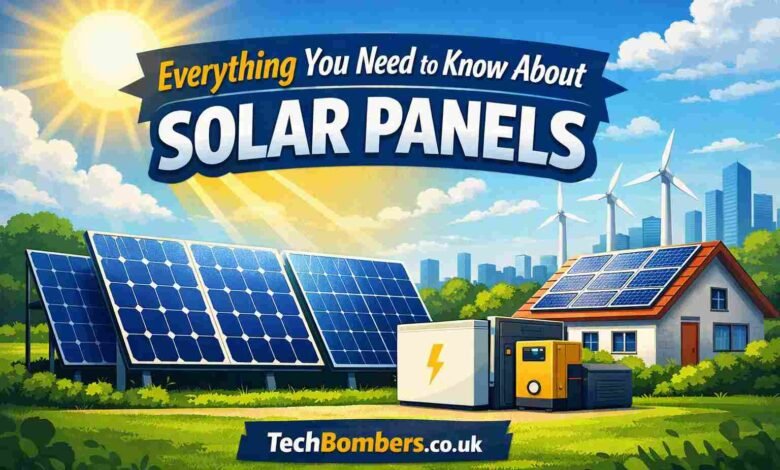
As the world shifts towards more sustainable practices, the importance of renewable energy sources like solar power has never been greater. Solar panels have become a key player in this shift, offering a clean and efficient way to harness the power of the sun. Whether you’re considering switching to solar energy or just curious about how solar panels work, this guide will walk you through everything you need to know—from the basics of how solar panels function to the benefits and challenges of using them in your home or business.
What Are Solar Panels?
Solar panels are devices that convert sunlight into electricity. They’re made up of photovoltaic (PV) cells, which are typically composed of semiconductor materials like silicon. When sunlight hits these cells, it causes the electrons in the material to move, creating an electric current. This process is called the photovoltaic effect, and it’s the foundation of solar energy generation.
Solar panels are often installed on rooftops or large open spaces where they can capture the maximum amount of sunlight. As a renewable energy source, solar panels help reduce reliance on fossil fuels, lower electricity bills, and contribute to a cleaner, greener environment.
How Solar Panels Work
The process of converting sunlight into electricity begins with the photovoltaic cells inside the panels. Here’s how it works:
- Absorption of Sunlight: The solar panel’s PV cells absorb sunlight. When sunlight strikes the cells, it excites the electrons in the material.
- Generation of Direct Current (DC): As the electrons are excited, they create an electric current, but this current is in the form of direct current (DC).
- Inverter Conversion: The DC electricity generated by the panels is not suitable for use in most homes and businesses. An inverter is used to convert the DC electricity into alternating current (AC), which is the form of electricity that powers most devices.
- Energy Use and Storage: The electricity is either used immediately, stored in batteries, or sent back to the grid, depending on the setup of the solar energy system.
This entire process is silent, produces no emissions, and works whenever the sun is shining, making it an environmentally friendly way to generate power.
Types of Solar Panels
There are several types of solar panels, each with its advantages and drawbacks. The most common types are:
Monocrystalline Solar Panels
Monocrystalline panels are made from a single continuous crystal structure. These panels are known for their high efficiency and long lifespan. They are often black in color and can be more expensive than other types. However, they offer higher power output per square foot, making them ideal for areas where space is limited.
Polycrystalline Solar Panels
Polycrystalline panels are made from silicon crystals that are melted together. They are less efficient than monocrystalline panels but are more affordable. These panels are often blue in color and are a popular choice for residential installations due to their cost-effectiveness.
Thin-Film Solar Panels
Thin-film panels are made from layers of photovoltaic materials deposited onto a substrate. They are lightweight, flexible, and easy to install, but their efficiency is lower than that of monocrystalline or polycrystalline panels. They are often used in large-scale solar installations and can be integrated into building materials, such as solar roof tiles.
Benefits of Solar Panels
Environmental Impact
One of the main reasons people choose to install solar panels is their positive impact on the environment. Solar energy is a clean, renewable source of power that doesn’t produce harmful emissions. By reducing reliance on fossil fuels like coal and natural gas, solar panels help combat climate change and reduce air pollution.
Economic Savings
While the initial cost of installing solar panels can be high, they can save you money in the long term. By generating your own electricity, you reduce your dependence on the grid, which leads to lower monthly utility bills. In many cases, solar panel owners can also sell excess electricity back to the grid, earning credits or payments from the utility company.
Energy Independence
Solar panels allow you to generate your own electricity, which means you’re less dependent on the public grid. This is particularly valuable during power outages or in areas with unreliable electricity supply. With a solar battery system, you can store energy for use at night or during cloudy days, making you even more energy-independent.
Increased Property Value
Homes with solar panels are often valued higher than those without. The installation of solar panels is seen as an improvement that adds value to your property. Many homebuyers are looking for energy-efficient homes, and solar panels can make your property more attractive to potential buyers.
Government Incentives
In many regions, governments offer financial incentives to encourage the adoption of solar energy. These may include tax credits, rebates, and grants. For instance, the U.S. federal government offers a Solar Investment Tax Credit (ITC) that allows homeowners to deduct a percentage of the cost of installing a solar energy system from their federal taxes.
Challenges of Solar Panels
High Initial Cost
The upfront cost of purchasing and installing solar panels can be significant, especially when you factor in the price of inverters, batteries, and other system components. However, the cost of solar panels has been decreasing over the years, and government incentives can help offset the initial expense.
Weather Dependence
Solar panels rely on sunlight to generate electricity, so their performance can be affected by weather conditions. On cloudy or rainy days, the efficiency of solar panels decreases. Additionally, solar panels do not generate electricity at night unless paired with a battery storage system.
Space Requirements
To generate a sufficient amount of energy, solar panels need a large area of unshaded space. This can be a challenge for homes or buildings with limited roof space. However, advancements in solar panel efficiency and the ability to use solar panels on a variety of surfaces, including windows and walls, are helping to address this limitation.
Maintenance Needs
While solar panels require little maintenance, they do need to be kept clean and free from debris like dirt, leaves, or snow. Regular maintenance ensures that they continue to operate at maximum efficiency.
Solar Panel Installation: What to Expect
Installing solar panels typically involves the following steps:
- Assessment: A professional solar installer will assess your property to determine the best location for the panels. They’ll consider factors like roof space, sunlight exposure, and energy needs.
- Design: Based on the assessment, the installer will design a solar panel system that meets your energy requirements.
- Installation: Once the design is finalized, the installation process begins. This involves mounting the panels, connecting them to the inverter, and wiring the system to your home’s electrical panel.
- Inspection and Activation: After installation, the system is inspected to ensure it meets safety standards. Once approved, the system is activated, and you can begin generating solar energy.
Solar Panel Efficiency and Lifespan
Solar panel efficiency refers to the amount of sunlight a panel can convert into usable electricity. Most modern solar panels have an efficiency rate of around 15-20%. Monocrystalline panels tend to have the highest efficiency, while thin-film panels have the lowest.
The lifespan of solar panels is typically between 25 and 30 years. With proper maintenance, they can continue to generate electricity at a reduced efficiency even after this time. Many manufacturers offer warranties that cover 20-25 years of performance, ensuring peace of mind for homeowners.
Solar Panel Systems and Batteries
Grid-Tied Systems
A grid-tied solar system is the most common setup for residential use. It connects to the public electricity grid, allowing you to draw power from the grid when your panels aren’t producing enough energy (e.g., at night). Any excess electricity generated by your panels can be sent back to the grid, earning you credits or payments.
Off-Grid Systems
Off-grid systems are used in remote locations where access to the public grid is limited or unavailable. These systems typically include a battery storage system to store excess energy for use during cloudy days or at night.
Solar Batteries
Solar batteries store excess energy produced during the day, allowing you to use it when the sun isn’t shining. This can help reduce your reliance on the grid and increase your energy independence. Lithium-ion batteries are the most common type used in solar installations due to their high efficiency and long lifespan.
Future of Solar Panels
The future of solar panels is bright, with continuous advancements in technology. New innovations, such as solar roof tiles and solar-powered vehicles, are making solar energy even more accessible and versatile. As the world continues to prioritize renewable energy sources, solar energy will play an increasingly important role in reducing carbon emissions and creating a sustainable future.
Conclusion
Solar panels offer a sustainable, eco-friendly, and cost-effective way to meet our growing energy needs. While there are some challenges, the benefits far outweigh them. From reducing electricity bills and carbon emissions to providing energy independence, solar panels are an investment in both your future and the planet’s future. If you’re considering making the switch to solar energy, now is the perfect time to start. With advancements in technology, lower costs, and government incentives, solar power is more accessible than ever.
By embracing solar energy, you’re not only making a smart financial decision but also contributing to a greener, cleaner, and more sustainable world.
You May Also Read: Foxtpax Software: A Comprehensive Business Management Solution