What is a Digital Warehouse? The Ultimate Guide to Smart Logistics in 2026

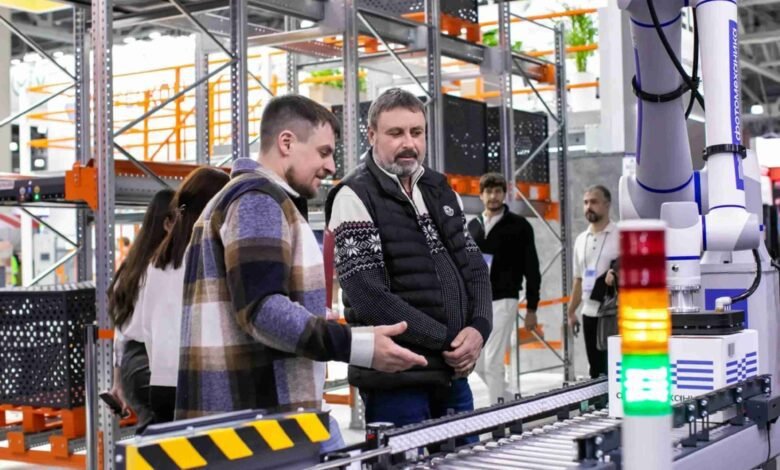
A digital warehouse is a fully connected facility where every physical process—from receiving goods to final shipping—is mirrored in a digital system to provide 100% real-time visibility. It is not just a building with computers; it is a “Cyber-Physical System” where the software (the brain) and the hardware (the body) work in perfect sync to eliminate human error and maximize speed.
In my experience, the biggest mistake warehouse managers make is thinking that an Excel sheet counts as “digital.” In 2026, if your data isn’t live and your machines aren’t talking to each other, you don’t have a digital warehouse—you just have a digital filing cabinet.
The 5 Core Pillars of Digital Warehousing
To move beyond “Thin Content,” we must understand the technical layers that make a warehouse truly digital. If any of these pillars are missing, the system collapses.
- WMS (The Neural Network): A modern Warehouse Management System doesn’t just record stock; it directs the entire flow. It integrates with your dispatch software to ensure that as soon as an order is packed, a driver is already assigned.
- IoT & Sensor Fusion: These are the “nervous system.” Sensors track temperature (vital for cold chains), humidity, and even the vibration of high-value electronics to ensure quality control during storage.
- The Digital Twin: This is a 3D virtual replica of your facility. Before moving a single heavy rack, you “test” the layout in the digital twin to see if it improves the picking route.
- Autonomous Hardware: This includes AMRs (Autonomous Mobile Robots) that carry pallets so workers don’t have to walk miles every day.
- Cloud Connectivity: Real-time data access means you can manage your inventory from a tablet in the field or an office across the country.
Step-by-Step: The Journey of a Package in 2026
To understand why this is superior to traditional methods, let’s look at how a single box moves through a digital ecosystem:
- Inbound (The RFID Gateway): Instead of a worker with a clipboard, the truck passes through an RFID gate. In milliseconds, the system scans 1,000 items and updates the inventory without the truck even stopping.
- Smart Put-away: The AI analyzes which items are “hot” (fast-moving). It tells the worker (or robot) to place those items nearest to the shipping dock to save time later.
- AI-Assisted Picking: Workers use “Pick-by-Light” systems or AR glasses. A light flashes on the shelf the worker needs to reach, reducing picking errors to nearly 0%.
- Automated Outbound: The system weighs the package, prints the label, and syncs the data with [GPS in modern construction] or logistics trackers so the customer gets an “Out for Delivery” alert instantly.
Digital Warehouse vs. Traditional: Why Most Fail to Rank
Many articles fail because they don’t provide hard data. Here is the reality of why businesses are switching:
| Feature | Traditional Warehouse | Digital Warehouse (2026) |
| Inventory Accuracy | 60% – 70% (Manual errors) | 99.9% (Real-time tracking) |
| Order Fulfillment | Hours / Days | Minutes / Hours |
| Labor Safety | High risk (Manual lifting) | Low risk (Robotic assistance) |
| Decision Making | Reactive (After a problem) | Predictive (Before a problem) |
The Human Element: Cobots and Wearables
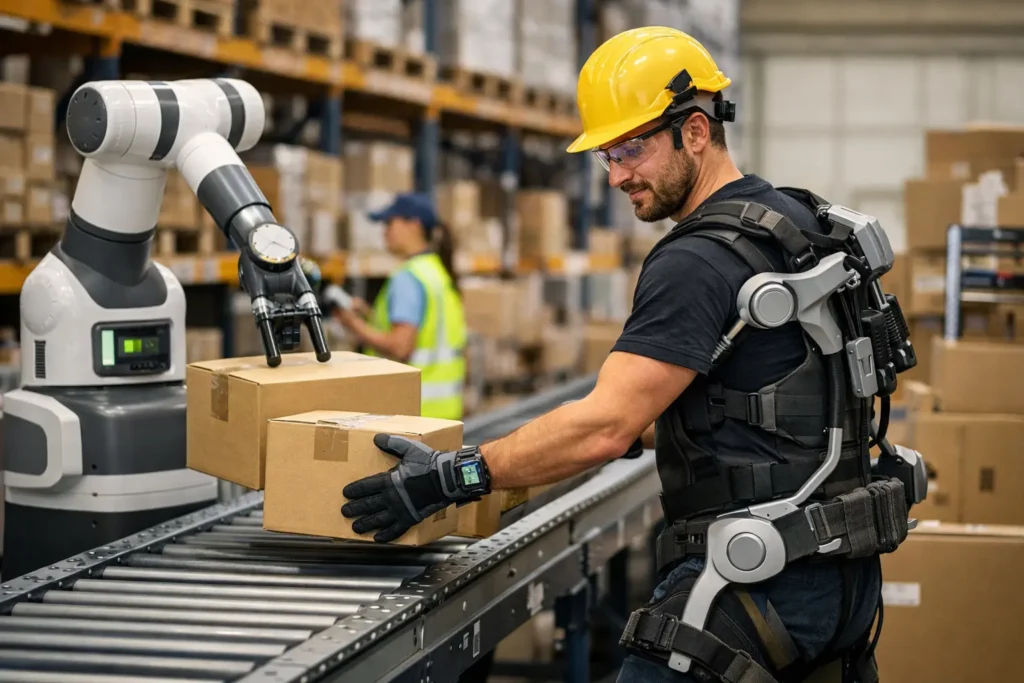
One major myth is that a digital warehouse replaces humans. Actually, it empowers them. In 2026, we use “Cobots” (Collaborative Robots). A Cobot handles the heavy lifting, while the human worker focuses on quality control and complex sorting.
I’ve seen workers use “Exoskeletons” (wearable tech) that reduce physical strain by 40%. This isn’t science fiction; it’s how modern logistics firms are keeping their staff healthy and productive.
Challenges: The “Not-So-Easy” Part
I won’t lie to you—going digital is hard. The initial investment in sensors and software is high. Furthermore, cybersecurity becomes a major concern. When your warehouse is online, you need to ensure your project data is safe. (This is why keeping an eye on how to know if your computer is being monitored is vital even for warehouse managers).
Expert Verdict: The 2026 Survival Guide
The verdict is clear: In 2026, a digital warehouse is no longer a luxury; it is a survival strategy. If you can’t ship faster and more accurately than your competitor, you will lose. By merging hardware like RFID with software like a robust WMS, you turn a cost center (the warehouse) into a profit engine.
FAQs
Can a small business afford a digital warehouse?
Yes. You don’t need robots on day one. Start with a cloud-based WMS and QR-code scanning. You can scale up as your revenue grows.
What is the difference between a Smart and a Digital warehouse?
A digital warehouse focuses on the data and visibility, while a smart warehouse focuses on automation and robotics. Most modern facilities are a mix of both.
How long does it take to see an ROI?
On average, most firms see a return on their digital investment within 18 to 24 months through reduced labor costs and eliminated inventory loss.