
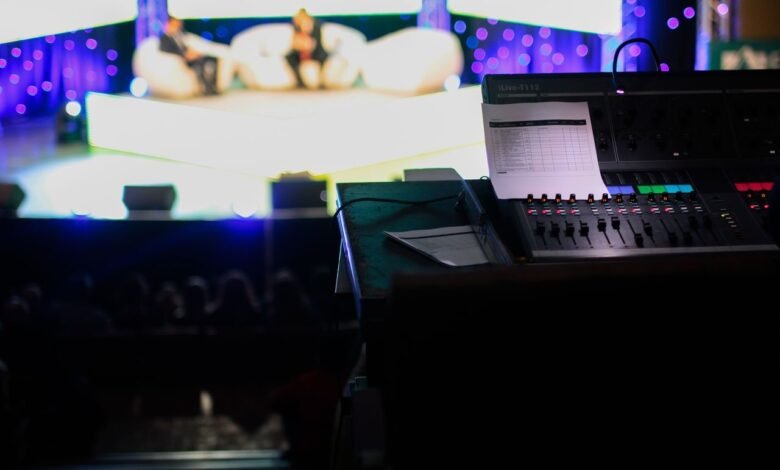
Large-scale events — concerts, conferences, sporting tournaments, political gatherings — have long posed real challenges for attendees with disabilities or accessibility needs. Navigating packed venues, keeping up with fast-moving presentations, or simply catching an announcement over a noisy crowd can be genuinely exhausting for many people. Thankfully, assistive technologies have advanced at a remarkable pace, and the event experience for millions of people worldwide is changing as a result. Today’s event organizers have a richer toolkit than ever before, and the expectation that large gatherings should be truly welcoming to everyone is finally starting to feel achievable.
The Rise of Assistive Technology at Live Events
Assistive technology has come a long way from hearing loops and large-print programs. Modern events now deploy sophisticated arrays of tools designed to support attendees with visual, auditory, cognitive, and mobility-related needs — often all at once. Smartphone apps, AI-powered platforms, and purpose-built hardware are being woven into event planning from the earliest stages rather than bolted on at the last minute. This shift reflects a broader cultural and legal expectation that accessibility isn’t optional — it’s a fundamental right. Organizers who invest meaningfully in these technologies don’t just broaden their audience; they send a clear signal about what kind of event they’re committed to running.
Real-Time Captioning and Speech-to-Text Solutions
Among the most impactful innovations in event accessibility is the widespread deployment of live captioning services. These solutions convert spoken words into on-screen text almost instantaneously, allowing attendees who are deaf or hard of hearing to follow presentations, panel discussions, and announcements without missing a single moment. Advanced speech recognition software, working alongside skilled human captioners, has made the service significantly more accurate and reliable than it was even a few years ago. Event organizers who need to provide realtime captions for live events can now deliver text directly to large venue screens, stream it to attendees’ personal devices, or do both simultaneously. That kind of flexibility means every participant — regardless of where they’re seated or how they prefer to absorb information — has a genuinely equal shot at engaging with what’s happening on stage.
AI-Powered Navigation and Venue Accessibility
Getting around a large venue can be daunting at the best of times, let alone for attendees managing mobility impairments or visual disabilities. AI-powered navigation apps are increasingly being used to provide step-by-step, accessible routing inside complex spaces like stadiums, convention centers, and exhibition halls. These apps can pinpoint accessible entrances, elevators, restrooms, and seating areas, cutting through the confusion that so many attendees previously had to navigate alone. Some systems go even further, integrating with smart wheelchairs or wearable devices to deliver haptic feedback and real-time obstacle alerts along the way.
Hybrid and Virtual Event Formats Expanding Reach
The rise of hybrid and virtual event formats has quietly been one of the biggest wins for accessibility in recent years. People who face barriers to physical attendance — whether due to chronic illness, mobility limitations, geographic distance, or anxiety — can now participate meaningfully without ever leaving home. Virtual platforms offer features like adjustable font sizes, screen reader compatibility, sign language interpretation windows, and on-demand playback with captions already baked in. In many cases, these features don’t just replicate the in-person experience — they actively improve on it by giving attendees far more control over how they engage.
Wearable Tech and Sensory Support Tools
Wearable technologies are opening up new frontiers in sensory accessibility at live events. Smart hearing aids and bone conduction headphones can now pair directly with venue audio systems, delivering clean, personalized sound straight to the listener. For attendees with sensory processing disorders, many organizers are creating dedicated quiet zones, complete with sensory kits and calming environments managed through smart building systems. Vibrating wristbands offer another layer of communication, alerting attendees to announcements or schedule changes without relying on audio or visual cues at all. What’s most encouraging about these developments is that accessibility is increasingly being designed into the event experience from the ground up — not scrambled together as an afterthought.
Conclusion
Technology is undeniably reshaping what inclusive event hosting looks like in practice. From real-time captioning and AI-powered navigation to wearable sensory devices and richly featured virtual platforms, the tools available to organizers today are more capable than at any previous point in history. Genuine inclusion, though, still depends on integrating these technologies thoughtfully and proactively — not deploying them in a rush once problems arise. As innovation continues to accelerate, the barriers that once kept so many people from participating in large events are steadily coming down, creating experiences that are more equitable, more engaging, and ultimately more worthwhile for everyone in the room — and beyond it.