
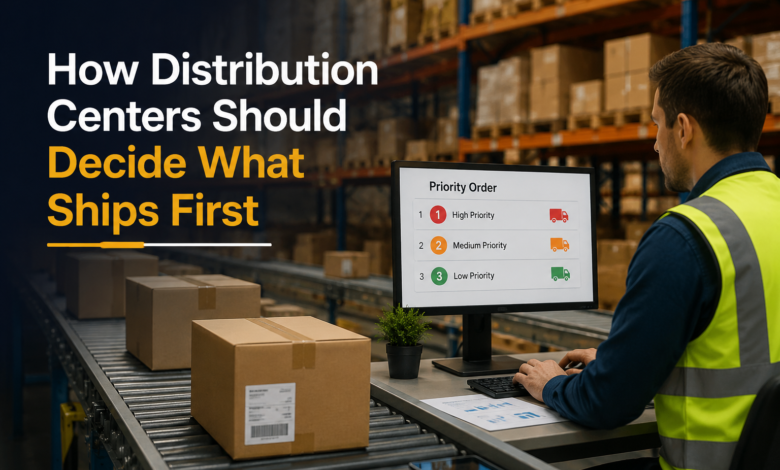
Hundreds—sometimes thousands—of orders hit a distribution center every single day. Figuring out what leaves the dock first? Not a small call. Get it wrong consistently and operational efficiency collapses fast. Many facilities still lean on outdated systems. Systems that were never built for today’s supply chain complexity. Without a real prioritization structure, even a fully staffed operation bleeds delays and racks up fulfillment errors it didn’t have to make.
1. Prioritize by Order Deadline and Promised Delivery Date
Start here. Promised delivery dates drive shipping priority more than anything else—tighter deadlines belong at the front of the queue. Period. Late fees, customer complaints, eroded trust: all of it traces back to missed deadlines. What’s needed is a system that flags approaching due dates the moment an order enters the warehouse management platform. A next-day delivery outranks a week-out order in the queue. Doesn’t matter which one arrived first. Pure sequencing logic. Protect those deadlines consistently and you also stop the cascading delays that quietly wreck long-term relationships.
Deadline-based prioritization only works if the whole team can actually see time constraints throughout the shift. Advanced warehouse management systems automate that sorting—less manual error, more time spent on physical fulfillment. Surface deadlines early and consistently, and supervisors can direct labor where it needs to go without the last-minute scramble. Dispatchers benefit too. They know which loads must clear the dock first, which makes carrier scheduling dramatically cleaner.
2. Group Orders by Geographic Destination
Batching by destination region. Simple concept, serious efficiency gains. When orders heading to the same state or region get grouped together, shipping routes consolidate, carrier costs drop, and delivery times shrink. Pickers work on clustered orders rather than bouncing between distant warehouse zones—that alone cuts handling errors. Building the daily shipping schedule around geography creates natural workflow rhythms. Operations just run smoother.
Geographic clustering pays off most in high-volume centers shipping across multiple states. Instead of packing one order at a time, staff pulls everything destined for the Northeast, batches the packing, and coordinates a single pickup. Tradecorp USA and comparable logistics providers recognize that this approach chips away at per-unit shipping costs while lifting overall throughput. Those savings don’t vanish—they get reinvested into staffing or technology that pushes performance even further.
3. Consider Product Popularity and Stock Levels
Fast movers and low-stock items deserve a bump in the shipping sequence. Fulfilling popular products first prevents backlog and signals to customers that availability is solid. Items sitting on full shelves? They can wait a bit. That breathing room lets teams optimize space and labor without cutting corners. Stock awareness also heads off the kind of storage headaches that trigger expensive emergency reorders.
When a facility actually tracks which products are flying out versus collecting dust, daily sequencing decisions become far less complicated. A seasonal item draining fast should jump the queue—that’s how you keep stock turnover healthy. Distribution centers expanding along major logistics corridors often rely on shipping containers for sale in Florida to stage overflow inventory cost-effectively near key regional ports and carrier hubs. And those slow movers the data surfaces? Usually signaling a need for pricing changes or a targeted marketing push.
4. Factor in Hazmat and Special Handling Requirements
Hazardous materials, fragile goods, temperature-controlled products—these don’t play by standard rules. Separate packing stations, specific documentation, careful staging. Rushing them through a generic process creates compliance and quality risks that far outweigh whatever time you think you’re saving. Catch these orders at receiving, route them correctly, and you keep them from jamming up the standard fulfillment queue entirely.
Dedicated time windows or stations for hazmat and special-handling orders keep both compliance and product integrity intact. Flag them before they hit the general workflow so trained specialists can manage them properly. That separation prevents bottlenecks at packing and checkout—dramatically lowers the odds of a costly incident too. Build these requirements into the daily schedule and the operation stays legally sound, while the facility maintains its standing with carriers and regulators.
5. Monitor Real-Time System Data and Adjust Daily
Rigid plans break. The best distribution centers know this. They rely on warehouse management systems that deliver real-time visibility into order status, inventory, and shipping capacity—then they actually use that data to shift priorities as the day unfolds. Bottlenecks surface. Carriers run late. Incoming order volume spikes without warning. The daily shipping priority list has to function as a living document. Not a morning memo nobody revisits.
Say a carrier falls behind schedule. Hold those orders, pivot to a different route, and you stop the downstream delay before it compounds. A stock shortage surfaces mid-shift? Reroute affected orders and adjust the sequence. But none of this works without communication—warehouse management, operations, and customer service all need to know what current priorities actually are. That adaptive loop keeps efficiency high and service quality consistent across every order type.
Conclusion
What ships first isn’t a gut call. It’s a strategic decision pulling from delivery deadlines, geographic logic, inventory position, special handling requirements, and live operational data—all at once. Distribution centers that get this balancing act right cut costs, hit on-time delivery targets more reliably, and earn customer loyalty that compounds over time. Systematic prioritization beats first-in-first-out processing. Higher volumes, same resources—and a real competitive edge in a logistics landscape that keeps demanding more.