Top 5 Protection Gear Mistakes That Put Metal Fabricators and Machine Operators at Risk

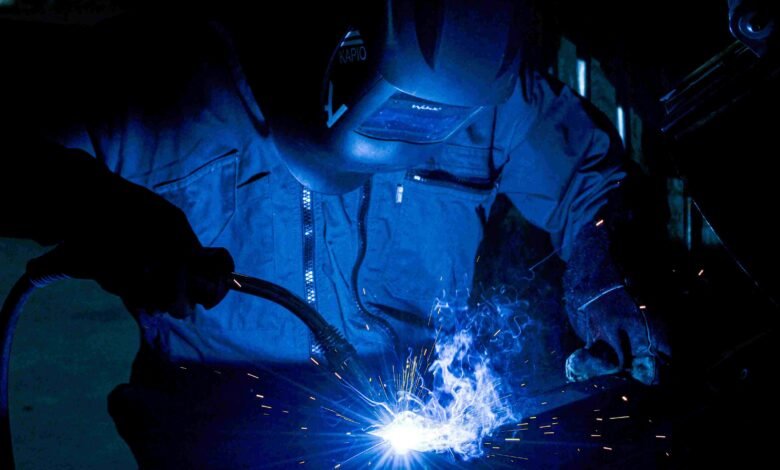
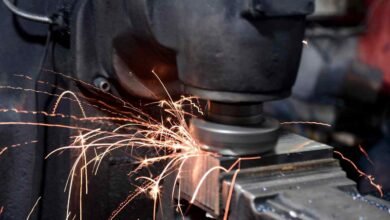
Walk onto any fabrication or machining floor, and the vibe is instantly magnetic. The sound of sparks showering from a grinder, the mechanical thud of a heavy press, and the clean lines of raw steel getting transformed into structural parts are incredibly satisfying. But let’s face it: the shop floor is unforgiving.
When you’re working with high-temperature arcs and heavy machinery, your personal protective equipment is quite literally the thin line between a successful shift and a trip to the nearest emergency room.
The trouble is, many experienced operators get a bit too comfortable over the years, while rookies often buy the wrong gear out of a desire to save a few bucks. It doesn’t take a massive safety failure to derail your career; sometimes, it’s just a series of subtle, overlooked mistakes in how you wear or choose your protection.
1. Falling for the Cheap, Passive Headshield Trap
For anyone spending hours laying down welds, your eyes take the brunt of the daily hazards. Staring at an intense arc without top-tier filtering causes rapid eye strain and flashes that feel like hot sand under your eyelids.
A lot of guys still stick to old-school, passive glass lenses because they’re cheap, or they buy low-grade knockoffs online. The problem with passive shields is the constant flipping. You have to snap your neck to drop the hood, which often jerks your hands away from a clean start line. Relying on advanced optics like premium miller welding helmets solves this by adjusting the shade levels in a fraction of a millisecond. This keeps your hands completely steady, eliminates constant neck snapping, and gives you a true-color view of the puddle so you don’t overshoot your joints.
2. Underestimating Frayed or Synthetic Clothing
It’s easy to throw on an old favorite hoodie or a pair of worn-out jeans for a day in the shop. But if your clothes are made of synthetic fibers like polyester blends, you are essentially wearing tinder.
The moment hot grinding sparks or slag hit synthetic material, it melts instantly instead of burning off, fusing scorched plastic directly to your skin. Frayed cuffs and loose threads on denim jeans are just as dangerous because they catch sparks like tiny pieces of kindling. Stick to tight-weave, heavy-duty natural fibers or split-leather aprons that deflect heat naturally.
3. Compromising on Gear Quality Due to Budget Crunches
Building out a proper workstation or gathering your first set of professional trade gear gets expensive quickly. A bad habit many independent operators fall into is pouring their entire budget into a high-end power tool or a piece of machinery, leaving almost nothing for their safety kit.
Cutting corners on certified steel-toed boots or multi-layered respirators just to keep your startup costs low is a massive gamble. When cash flows are tight or unexpected expenses pile up, some business owners use alternative short-term financing channels like Lamina to keep their operations moving through temporary gaps. But whatever your financial strategy looks like, safety gear should never be treated as an afterthought or a line item you minimize. Invest in certified, high-grade armor first, then build out the rest of your tool bench.
4. Overlooking Proper Glove Selection for Rotating Machinery
Gloves are essential for handling sharp sheet metal or hot parts, but wearing the wrong style while operating rotating equipment like lathes, drill presses, or milling machines is a recipe for disaster.
Thick, loose-fitting leather gloves easily get caught in rotating spindles or chucks. Because the leather is incredibly strong, the machine won’t just tear the fabric—it will pull your entire hand into the gears before you can hit the emergency stop button. When you’re feeding material into spinning machinery, you need precision-fit, high-dexterity gloves that feature a clean breakaway design, or in some specific cutting operations, no gloves at all, depending on shop safety rules.
5. Ignoring Dust and Fume Protection for Long-Term Health
We naturally focus on hazards we can see, like flying metal shards or heavy drops. Because of this, respiratory protection gets ignored constantly on busy shop floors.
Breathing in fine metallic dust from grinding clean edges or inhaling the toxic zinc fumes produced when welding galvanized steel won’t knock you out immediately. Instead, it slowly builds up in your lungs over years, leading to chronic respiratory conditions down the road. Keep a steady supply of high-filtration particulate masks right at your workbench, and form the habit of wearing them every time you pick up an angle grinder or clean off rusty steel stock.