
A pest treatment can make a big difference to the comfort and safety of a home, but the result does not depend only on what happens during the service. What homeowners do after the treatment also matters. In many cases, pests return not because the treatment was poor, but because the conditions that attracted them were left unchanged.
After arranging professional help, many people assume the problem is fully finished straight away. While a good treatment can reduce pest activity and target the source of the issue, the home still needs the right follow-up care. Cleaning habits, entry points, food storage, moisture control, and outdoor maintenance can all affect how long the result lasts.
When people search for Pest Control Near Me, they usually want fast help for an active problem. However, long-term pest control also depends on avoiding the common mistakes that allow pests to settle back into the property.
Cleaning Treated Areas Too Soon
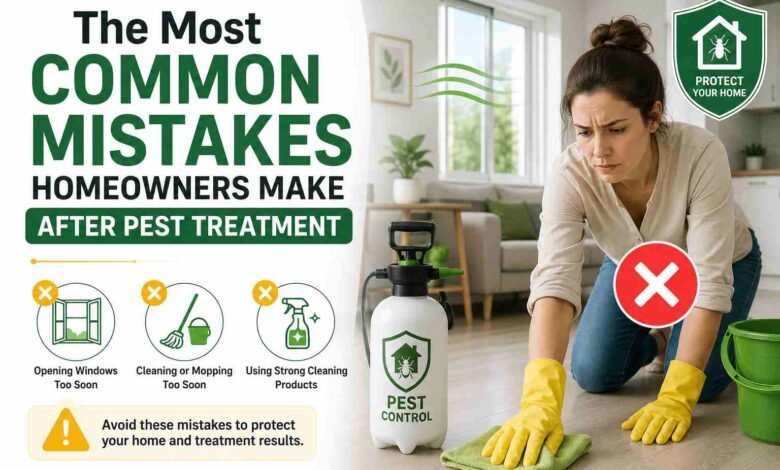
One of the most common mistakes homeowners make after pest treatment is cleaning treated areas too quickly. It is natural to want the home to feel fresh and spotless, especially after dealing with pests. However, wiping, mopping, scrubbing, or washing treated surfaces too soon can reduce the effect of the treatment.
Some pest control products need time to settle and continue working. If a homeowner removes the treatment before it has had enough time to act, pests may not come into proper contact with it. This can reduce the result and may allow activity to continue in hidden areas.
General cleaning can usually continue in untreated areas, but treated edges, corners, skirting boards, cracks, and entry points should be left alone for the time recommended by the technician. Homeowners should always follow the aftercare instructions given after the service rather than guessing.
Expecting All Pest Activity to Stop Immediately
Another mistake is expecting every pest to disappear straight away. Some pests may become more visible for a short time after treatment. This can happen because the treatment disturbs hiding areas and pushes pests out into the open.
Cockroaches, ants, spiders, and other pests may still appear for a few days depending on the level of infestation and the type of treatment used. This does not always mean the treatment has failed. In many cases, reduced activity over time is a normal part of the process.
The important thing is to monitor the pattern. If pest activity is slowly decreasing, the treatment may be working as expected. If activity stays the same or becomes worse after the expected treatment period, it may be time to contact the pest control provider for advice.
Leaving Food Sources Available
Pests do not stay in a home without a reason. Food is one of the biggest reasons they return after treatment. Crumbs on benches, uncovered pet food, open pantry items, dirty dishes, overflowing bins, and food scraps behind appliances can all attract pests back into the property.
Cockroaches, ants, rodents, and flies are especially drawn to easy food sources. Even small amounts of food waste can support pest activity. After treatment, homeowners should store food in sealed containers, wipe benches regularly, clean under appliances where possible, and empty bins before they overflow.
A treatment can reduce pest numbers, but poor food hygiene can keep attracting new pests. This is why pest control and prevention need to work together.
Ignoring Moisture Problems
Moisture is another major pest attractant. Leaking taps, dripping pipes, damp cupboards, blocked gutters, poor drainage, and wet garden areas can all create conditions that pests like. Termites, cockroaches, ants, mosquitoes, rodents, and silverfish are often linked to moisture in some way.
Many homeowners focus only on visible pests and forget to check what is supporting them. If moisture problems remain, pests may continue to find the home suitable even after treatment.
After searching for Pest Control Near Me and booking a service, homeowners should also look at leaks, damp areas, drainage problems, and ventilation. Fixing these issues can make the home less attractive to pests and help the treatment last longer.
Not Sealing Entry Points
Pest treatment can target current activity, but it may not stop new pests from entering if gaps and access points remain open. Small cracks, broken vents, gaps under doors, roof openings, damaged fly screens, wall penetrations, and spaces around pipes can all give pests a way inside.
Rodents can squeeze through surprisingly small openings, while ants and cockroaches can enter through tiny cracks. Spiders and insects can also move through gaps around windows, doors, and outdoor storage areas.
Homeowners should inspect the home after treatment and seal obvious entry points where possible. Door seals, mesh covers, repaired screens, gap filler, and proper storage can all help reduce future pest entry. This step is especially important for homes that have had repeated pest problems.
Moving Baits, Traps, or Monitoring Stations
If the technician places baits, traps, or monitoring stations, they should not be moved unless instructed. Some homeowners shift them because they look untidy, are in the way, or seem too visible. However, these items are usually placed based on pest movement, nesting behaviour, and high-risk areas.
Moving them can reduce their effectiveness. For example, rodent bait stations need to be placed along travel paths. Cockroach gels need to be applied near harbourage areas. Ant baits need to be positioned where ants are actively moving.
If there is a concern about safety, children, pets, or placement, homeowners should contact the pest control provider rather than moving items themselves.
Forgetting About Outdoor Areas
Pest problems often start outside before they move indoors. Garden beds, bins, compost areas, timber piles, blocked drains, sheds, fences, decks, and overgrown plants can all support pest activity around the home.
After treatment, many homeowners focus only on indoor cleaning and forget the yard. This can allow pests to keep breeding or nesting outside before they return indoors. Ants, spiders, rodents, cockroaches, mosquitoes, and termites can all be influenced by outdoor conditions.
Keeping grass trimmed, removing clutter, storing firewood away from the house, cleaning bins, and reducing standing water can help make the property less attractive to pests. Outdoor maintenance is a key part of long-term pest prevention.
Skipping Follow-Up Advice
A good pest control technician will often give aftercare advice based on the property. This may include cleaning instructions, safety guidance, moisture control tips, follow-up timing, and prevention steps. One of the biggest mistakes homeowners make is ignoring this advice once the visible pest problem improves.
Every pest issue is different. A home with cockroaches may need different aftercare from a home with rodents, ants, spiders, or termites. Following general advice online may not be enough if the property has specific risk factors.
When homeowners look for Pest Control Near Me, they should not only focus on the first treatment. They should also pay attention to the steps that help stop the same pest problem from returning.
Waiting Too Long Before Asking for Help Again
Sometimes pest activity continues because the infestation was larger than expected or because pests are entering from nearby areas. Homeowners may wait too long before asking for follow-up support because they assume nothing can be done.
If pest activity does not reduce within the expected timeframe, it is better to contact the pest control provider. Early follow-up can help confirm whether the treatment is working, whether another visit is needed, or whether a new entry point or nesting area has appeared.
Delaying follow-up can allow pests to rebuild numbers and spread further through the home.
Final Thoughts
Pest treatment is an important step, but the actions taken afterwards can strongly affect the result. Cleaning treated areas too soon, leaving food and moisture available, ignoring entry points, moving baits, forgetting outdoor areas, and skipping aftercare advice can all make pest problems return faster.
Professional pest control works best when homeowners support the treatment with good prevention habits. A cleaner, drier, better-sealed home gives pests fewer reasons to come back.
If pest activity keeps returning even after DIY efforts, searching for Pest Control Near Me can help homeowners find professional support. The key is not only getting pests treated, but also making sure the property stays less inviting to them in the future.