How 3PL Warehouse Management Systems Are Transforming Global Supply Chains

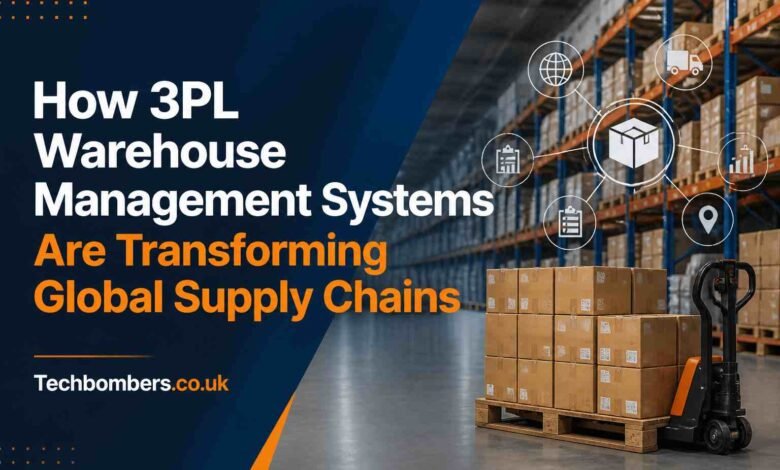
The way businesses manage their supply chains has been completely transformed by the introduction of 3PL warehouse management systems (WMS). These systems are reshaping the global logistics landscape by making operations more efficient, reducing costs, and improving customer satisfaction. Let’s dive into how exactly 3PL WMS is changing the way goods move around the world.
What is a 3PL Warehouse Management System?
Before we dive into the transformation, let’s briefly clarify what a 3PL WMS is. A 3PL (third-party logistics) provider is a company that offers outsourced logistics services, including warehousing, inventory management, order fulfillment, and transportation. A warehouse management system (WMS) is the software that helps streamline and automate these processes.
When businesses use a 3PL WMS, they can offload much of their warehousing and logistics tasks to a specialized third party. This means they don’t have to manage their warehouses, track inventory, or coordinate shipping on their own—saving both time and money. With the rise of automation and cloud technology, modern 3PL WMS solutions offer real-time data, improved inventory control, and much more.
The Key Benefits of 3PL Warehouse Management Systems
Increased Efficiency
Efficiency is the primary benefit of implementing a 3PL WMS. These systems automate many of the tasks traditionally done manually, such as order picking, inventory management, and shipping. Automation not only speeds up these processes but also reduces the likelihood of human error.
Take, for example, the automated picking systems in 3PL warehouses. By using technologies like barcode scanning and RFID tags, workers can quickly and accurately pick the right products from the shelves. With fewer errors and faster processing times, businesses can fulfill orders at a much higher rate, which directly impacts their bottom line.
Improved Inventory Control
Accurate inventory management is a major challenge for businesses with large global supply chains. 3PL WMS solutions solve this problem by offering real-time tracking of inventory across multiple locations.
For instance, companies can track the exact number of products in their warehouses at any given time, ensuring they never overstock or understock. Furthermore, many 3PL systems integrate seamlessly with inventory management software, making it easier to maintain an optimal stock level. This not only reduces waste but also ensures that businesses can meet customer demand without delays.
Cost Savings
With 3PL WMS, businesses can significantly reduce costs associated with warehousing and logistics. By outsourcing these functions to 3PL providers, companies don’t have to invest in their own warehouse space, equipment, or labor.
Moreover, a WMS helps businesses optimize their warehouse layout. For example, it can identify where products should be stored to minimize travel time for workers. This optimization reduces the labor hours needed to fulfill orders, leading to substantial cost savings.
Additionally, by improving inventory management, 3PL WMS helps businesses reduce excess inventory and stockouts, which directly translates to lower storage and operational costs.
Better Customer Experience
Customer satisfaction is at the heart of any business, and 3PL WMS is a key enabler of improving this experience. By streamlining the order fulfillment process, businesses can deliver products faster and with fewer mistakes.
Real-time tracking and automated notifications also keep customers informed about their order status, which is a big advantage in today’s e-commerce-driven world. When customers know exactly when to expect their order, it builds trust and loyalty, which is invaluable for maintaining a competitive edge.
How 3PL WMS Improves Global Supply Chain Visibility
In today’s globalized economy, supply chains span multiple countries and continents. This adds complexity, making visibility a crucial challenge. 3PL WMS solutions address this by providing end-to-end visibility across the entire supply chain, from warehouse to customer.
By tracking products at every stage, businesses can monitor delays, manage transportation routes, and make adjustments as needed. Real-time tracking data can even be shared with customers, providing transparency and ensuring that everyone is on the same page. This level of visibility is essential for managing risks, preventing issues, and maintaining customer satisfaction in global supply chains.
The Role of 3PL WMS in Risk Management
Supply chains are always vulnerable to disruptions, whether from natural disasters, political instability, or transportation delays. 3PL WMS can mitigate some of these risks by offering predictive analytics and real-time data.
For example, a WMS can alert businesses if a shipment is delayed, or if inventory is running low, allowing companies to adjust their operations accordingly. These proactive solutions help minimize the impact of disruptions and prevent costly errors or delays.
Furthermore, 3PL providers often have contingency plans in place for dealing with emergencies. Whether it’s rerouting shipments or finding alternative suppliers, the expertise of a 3PL provider can make all the difference in keeping a global supply chain running smoothly during uncertain times.
3PL WMS and Sustainability in Global Supply Chains
Sustainability is no longer just a buzzword; it’s a necessity. As global consumers increasingly demand eco-friendly practices, businesses are under pressure to reduce their carbon footprints.
3PL WMS plays a key role in supporting sustainability. By optimizing warehouse operations, these systems help reduce energy consumption, minimize waste, and improve packaging processes. For example, WMS can ensure that warehouses are using the most energy-efficient storage methods, and the transportation routes are optimized to reduce fuel consumption.
Additionally, some 3PL providers focus on sustainable practices by using electric vehicles for delivery or utilizing eco-friendly packaging materials. The transparency and efficiency provided by 3PL WMS solutions also enable businesses to track their sustainability progress and identify areas for improvement.
Future Trends in 3PL WMS and Their Impact on Global Supply Chains
As technology continues to advance, the capabilities of 3PL WMS will only grow. Here are some trends we can expect to see in the near future:
AI and Machine Learning
The integration of artificial intelligence (AI) and machine learning (ML) into 3PL WMS will take data analytics to the next level. AI can help optimize inventory levels by analyzing past trends, while ML can improve demand forecasting, making the entire supply chain more responsive to changes in consumer behavior.
Robotics and Automation
Robotic systems are already being used in many 3PL warehouses to automate picking, sorting, and packaging. In the future, we can expect to see even more widespread adoption of robots, making warehouse operations even faster and more efficient.
Blockchain for Security and Transparency
Blockchain technology is poised to revolutionize the way businesses manage supply chain data. By providing an immutable, transparent ledger, blockchain can help ensure the authenticity of products, reduce fraud, and improve trust among supply chain partners.
IoT Integration
The Internet of Things (IoT) is already enhancing supply chain visibility by enabling real-time tracking of shipments and inventory. As IoT devices become more affordable and widespread, businesses will be able to track every product throughout its journey, further improving the accuracy and efficiency of global supply chains.
Real-World Examples of 3PL WMS in Action
Let’s take a look at how major companies are leveraging 3PL WMS to transform their global supply chains.
- Amazon: Amazon relies on advanced 3PL WMS solutions to handle its massive inventory and fulfill millions of orders every day. The company’s use of automation and robotics in its warehouses allows it to process orders at lightning speed, helping it maintain its competitive edge in e-commerce.
- Walmart: Walmart partners with 3PL providers to manage its global supply chain. By using WMS technology, Walmart has optimized its inventory management and reduced its operational costs, allowing it to offer lower prices to customers.
- Nike: Nike uses 3PL WMS to streamline its logistics and ensure that its products are delivered to customers quickly and efficiently. The company has integrated its WMS with its e-commerce platform, allowing customers to track their orders in real-time.
How to Choose the Right 3PL Warehouse Management System for Your Business
Selecting the right 3PL WMS is crucial to maximizing the benefits of the system. When choosing a solution, consider the following factors:
- Scalability: Will the WMS grow with your business? Make sure the system can handle increased order volumes and additional locations as your business expands.
- Integration: The WMS should integrate seamlessly with your existing software, such as your Enterprise Resource Planning (ERP) and Transportation Management System (TMS).
- User-Friendliness: A complex system can lead to training challenges. Choose a WMS that’s intuitive and easy for your team to adopt.
- Cost: While 3PL WMS can provide significant ROI, ensure the solution fits within your budget and delivers tangible cost savings.
Conclusion
3PL warehouse management systems are no longer a luxury—they’re a necessity for businesses looking to stay competitive in today’s fast-paced, global market. From improving efficiency and inventory control to enhancing visibility and supporting sustainability, these systems are reshaping global supply chains for the better. As technology continues to evolve, 3PL WMS will become even more sophisticated, offering even greater opportunities for businesses to optimize their operations.
Is your business ready to embrace the transformation?
For more insights, read our article on: How 3PL Warehouse Management Billing Automation Transforms Logistics Efficiency