The Power of Cloud-Based Warehouse Management Systems (WMS)

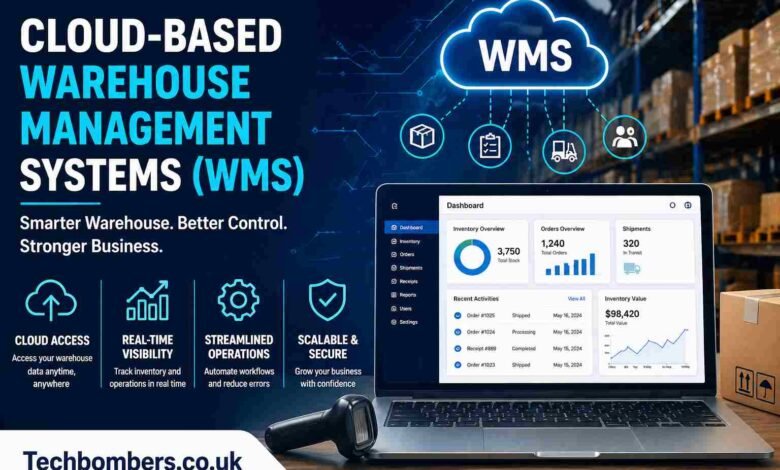
In today’s fast-paced, highly competitive world, businesses are constantly searching for ways to improve their operations, increase efficiency, and reduce costs. One of the most significant advancements in modern warehousing and logistics is the rise of Cloud-Based Warehouse Management Systems (WMS).
These systems have become a game-changer, enabling companies to streamline their warehouse operations, enhance inventory management, and ultimately improve the customer experience. But how exactly does a Cloud WMS work, and what makes it stand out from traditional, on-premise solutions? Let’s dive into the world of Cloud-Based WMS and understand why it is the future of warehouse management.
What is a Cloud-Based Warehouse Management System (WMS)?
A Warehouse Management System (WMS) is software designed to optimize warehouse operations, including the management of inventory, order fulfillment, and shipping. A Cloud-Based WMS is hosted on remote servers, meaning the software is not stored locally but instead operates through the cloud, accessed via the internet.
Unlike traditional on-premise WMS, which requires physical infrastructure and local servers, Cloud WMS offers a more flexible, scalable, and cost-effective solution. With Cloud WMS, businesses can manage their warehouses from virtually anywhere, as long as there is an internet connection. This flexibility allows for real-time monitoring of inventory levels, order statuses, and even the performance of warehouse equipment.
Key Features of Cloud-Based WMS
Cloud-Based Warehouse Management Systems come packed with a variety of features that make them indispensable for businesses aiming to stay competitive in the modern market. Let’s take a look at some of the most important features of Cloud WMS:
Real-Time Inventory Tracking
One of the standout features of Cloud WMS is its ability to provide real-time inventory updates. With traditional systems, inventory counts are often updated manually, leading to errors and delays. Cloud WMS, on the other hand, automatically updates inventory levels in real-time, ensuring that the warehouse always has accurate stock counts. This helps reduce stockouts, overstocking, and misplaced items.
Order Fulfillment Optimization
Cloud WMS improves order picking, packing, and shipping by automating key processes. It ensures that orders are processed efficiently and accurately, reducing the chances of mistakes. The system can prioritize orders based on urgency, manage batch picking, and guide warehouse workers through the most efficient paths for picking items. This leads to faster order fulfillment, which is essential for customer satisfaction.
Automation Integration
Many Cloud WMS solutions integrate with automated technologies, such as Automated Guided Vehicles (AGVs), drones, and robots. These systems allow for greater efficiency in tasks such as moving goods within the warehouse, picking items, and even performing inventory counts. By incorporating automation into the workflow, businesses can reduce human error, speed up operations, and lower labor costs.
Cloud Analytics and Reporting
Cloud WMS systems often come with powerful analytics tools that allow managers to gain deep insights into warehouse performance. By analyzing trends in inventory movement, order fulfillment, and equipment usage, businesses can identify inefficiencies and make data-driven decisions. Cloud WMS also allows for customizable reporting, so managers can create reports tailored to their specific needs.
Multi-Location and Multi-Channel Support
For businesses with multiple warehouses or distribution centers, Cloud WMS offers the ability to manage operations across different locations seamlessly. It can integrate with various sales channels, including e-commerce platforms, to ensure that inventory data is always up to date across the board. This multi-location support helps streamline operations, improve customer service, and reduce errors.
Benefits of Cloud-Based WMS
Adopting a Cloud-Based WMS can bring several benefits to your business, especially when compared to traditional systems. Let’s take a closer look at these advantages:
Cost-Effectiveness
One of the most significant benefits of Cloud WMS is its cost-effectiveness. Traditional warehouse management systems require heavy investments in IT infrastructure, including servers, hardware, and maintenance. With Cloud WMS, there’s no need for businesses to purchase expensive hardware or pay for ongoing maintenance. The software is hosted on the cloud, which means companies only pay for what they use, and the system can be easily scaled as needed.
Additionally, Cloud WMS eliminates the need for dedicated IT staff to manage the system, as updates and maintenance are handled by the software provider. This reduces operational costs and frees up resources for other areas of the business.
Scalability and Flexibility
Cloud-Based WMS systems are highly scalable, meaning they can easily accommodate growing businesses. Whether you’re opening new warehouses, expanding your product range, or increasing your order volume, Cloud WMS can be scaled to meet these demands. This scalability makes it an ideal solution for companies of all sizes, from small startups to large enterprises.
Furthermore, Cloud WMS offers flexibility in terms of deployment. It can be integrated with other enterprise systems, such as ERP (Enterprise Resource Planning) and CRM (Customer Relationship Management) systems, allowing businesses to create a fully connected ecosystem.
Faster Implementation and Upgrades
Implementing a traditional WMS can take months, requiring the installation of hardware, software configuration, and training. On the other hand, Cloud WMS can be up and running in a fraction of the time. Because the system is hosted on the cloud, there’s no need for complicated installation processes. It can be accessed through any web browser, and users can begin managing their warehouses almost immediately.
Upgrades are also easier with Cloud WMS. The software provider handles updates, ensuring that the system is always running the latest version. This reduces the time and cost associated with manual upgrades in on-premise systems.
Accessibility and Mobility
With Cloud WMS, warehouse managers and staff can access the system from anywhere in the world, as long as they have an internet connection. This level of mobility is especially beneficial for businesses with multiple warehouses or global operations. Managers can monitor warehouse performance, track inventory levels, and view reports in real-time from any device, including smartphones, tablets, or laptops.
This accessibility allows for better decision-making, as managers can quickly respond to issues and make adjustments on the fly. It also allows for greater collaboration between teams, regardless of their physical location.
Challenges and Considerations in Adopting Cloud-Based WMS
While Cloud WMS offers many benefits, it’s important to consider a few potential challenges before making the switch:
Data Security
Security is one of the primary concerns when it comes to cloud-based systems. Since your data is stored remotely, it’s crucial to ensure that the software provider uses robust encryption and security protocols to protect sensitive information. Businesses should choose a Cloud WMS provider with a proven track record of data security and compliance with industry standards.
Integration with Existing Systems
If your business already uses other software systems, such as ERP or CRM tools, it’s important to ensure that the Cloud WMS integrates seamlessly with these platforms. Integration can sometimes be complex, especially if you have legacy systems in place. However, most modern Cloud WMS providers offer integration capabilities that can be customized to fit your needs.
Internet Dependency
Because Cloud WMS relies on internet connectivity, a stable and reliable internet connection is essential for the system to function properly. Any disruptions in internet service can lead to delays or downtime, which can impact warehouse operations. Businesses should ensure that they have a reliable internet infrastructure in place before transitioning to Cloud WMS.
Customization Needs
While Cloud WMS offers a wide range of features, some businesses may require a more tailored solution to meet their unique needs. Cloud WMS is often designed to be flexible, but it may not offer the same level of customization as on-premise systems. It’s essential to evaluate your specific requirements and discuss customization options with potential WMS providers.
The Future of Cloud-Based WMS
The future of Cloud WMS looks incredibly promising, with several emerging trends that will continue to shape the industry:
Artificial Intelligence and Machine Learning
Cloud WMS is increasingly incorporating artificial intelligence (AI) and machine learning (ML) to provide more advanced analytics and automation. AI and ML can help predict demand patterns, optimize inventory levels, and even forecast potential issues before they arise. This will help businesses make smarter, data-driven decisions and improve their overall efficiency.
Integration with IoT
The integration of Cloud WMS with the Internet of Things (IoT) is transforming how warehouses operate. IoT-enabled devices, such as sensors and RFID tags, provide real-time data on inventory movement, temperature, humidity, and other warehouse conditions. Cloud WMS can use this data to make informed decisions and improve warehouse management.
Blockchain for Supply Chain Transparency
Blockchain technology is also being explored as a way to improve transparency and security in the supply chain. Cloud WMS providers are looking at how blockchain can be integrated to create immutable records of transactions and improve traceability throughout the supply chain. This could further enhance the security and accountability of warehouse operations.
How to Choose the Right Cloud-Based WMS for Your Warehouse
Choosing the right Cloud WMS provider is crucial to the success of your warehouse operations. Here are some factors to consider when making your decision:
- Business Size and Complexity: Choose a WMS that suits the size and complexity of your operations. Larger businesses with multiple warehouses may require more advanced features, while smaller companies may benefit from a simpler solution.
- Specific Features: Ensure the WMS has the features you need, such as inventory management, order fulfillment, automation integration, and analytics tools.
- Integration Capabilities: Make sure the Cloud WMS integrates well with your existing systems, such as ERP and CRM software.
- Vendor Support: Choose a provider that offers reliable customer support and service level agreements (SLAs) to ensure that any issues are resolved quickly.
Conclusion
Cloud-Based Warehouse Management Systems are a powerful tool for modern businesses looking to optimize their warehouse operations. With real-time tracking, automated processes, and advanced analytics, Cloud WMS can help businesses reduce costs, improve efficiency, and enhance customer satisfaction.
While there are some challenges to consider, such as data security and system integration, the benefits of Cloud WMS far outweigh the drawbacks. As technology continues to evolve, Cloud WMS will only become more powerful, offering even more capabilities for businesses to improve their warehouse operations.
For more insights, read our article on: 8 Ways to Choose a Warehouse Management System