
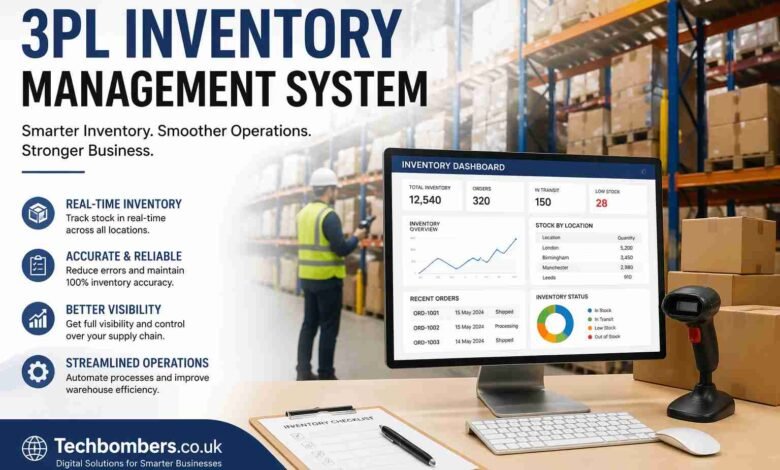
In today’s fast-paced business environment, managing inventory effectively is crucial for success. As e-commerce and global trade continue to grow, many companies are turning to Third-Party Logistics (3PL) providers to streamline their inventory management. 3PL systems help businesses outsource essential logistics functions, enabling them to focus on core operations while experts handle warehousing, distribution, and inventory.
Choosing the right 3PL inventory management system can significantly impact your warehouse efficiency, cost control, and customer satisfaction. But what makes a 3PL system stand out from the rest? In this post, we will explore the key features to look for when selecting a 3PL inventory management system, ensuring that your business can operate smoothly, scale effectively, and stay ahead of the competition.
What is a 3PL Inventory Management System?
A 3PL inventory management system is a software solution that facilitates the tracking, control, and optimization of inventory, typically through a third-party logistics provider. It integrates with existing warehouse systems, streamlining the processes of stock management, order fulfillment, and transportation. 3PL systems are essential for businesses looking to scale without the overhead of managing logistics in-house.
Why Choosing the Right 3PL System Matters
The right 3PL system helps businesses reduce operational costs, improve efficiency, and enhance customer satisfaction. A robust system can automate manual processes, provide real-time data, and offer scalability as your business grows. Conversely, a poorly chosen system can lead to inventory discrepancies, delayed shipments, and poor customer service – all of which hurt the bottom line.
Let’s take a closer look at the features you should prioritize when evaluating 3PL inventory management systems.
Real-Time Inventory Tracking
Why It’s Important
Real-time inventory tracking is one of the most critical features in a 3PL inventory management system. Accurate tracking ensures that you always know the exact location and quantity of products in your warehouse, minimizing the chances of errors like stockouts or overstocking.
Key Features of Real-Time Tracking
- Barcode Scanning: A 3PL system should support barcode scanning, which simplifies the process of tracking inventory as it moves through your warehouse. Barcode technology ensures that each item is accounted for quickly and accurately.
- RFID Technology: Radio Frequency Identification (RFID) tags provide even more precision and can track items automatically as they pass through checkpoints in the warehouse, improving speed and reducing human errors.
- Cloud-Based Updates: Cloud technology ensures that your inventory data is updated in real-time, providing access from anywhere. This is essential for businesses with multiple locations or global operations.
Seamless Integration with Existing Systems
The Need for Compatibility
A 3PL system should integrate seamlessly with your current software stack. Whether you have an existing warehouse management system (WMS), enterprise resource planning (ERP) software, or e-commerce platform, integration is vital for ensuring that all your data is synchronized across various systems. Without smooth integration, you risk data silos that could slow down your business processes.
Benefits of System Integration
- Centralized Data: With integration, all your business data—inventory levels, order status, sales figures, and shipping information—will be centralized in one place, making it easier to manage.
- Streamlined Operations: Data can flow automatically between your 3PL system and other platforms, reducing the need for manual data entry and eliminating potential errors.
Automated Order Fulfillment
How Automation Enhances Efficiency
Order fulfillment is a time-sensitive and error-prone process. Automating aspects of this process can significantly reduce human errors and speed up operations. A good 3PL system should provide automation features that handle picking, packing, and shipping.
Types of Automation in 3PL Systems
- Automated Picking: Modern 3PL systems often feature automated picking technologies such as voice picking, pick-to-light, or robots that help warehouse workers locate and retrieve items faster and more accurately.
- Packing and Labeling Automation: Automated packing systems can generate labels and packaging based on the order details, speeding up the process and ensuring that each item is properly packed according to specifications.
- Shipping Optimization: Some 3PL systems also optimize shipping routes and packaging, ensuring that you’re using the most cost-effective and efficient shipping methods available.
Advanced Reporting and Analytics
Why Data Insights Matter
Data-driven decision-making is at the heart of modern supply chain management. An advanced reporting and analytics feature allows you to track key metrics, identify inefficiencies, and uncover insights that can drive better decisions.
Key Reporting Features
- Customizable Dashboards: A good 3PL system should allow you to create dashboards that present relevant KPIs such as order fulfillment speed, shipping costs, and inventory turnover. Customization is key to ensuring that the most important data is readily accessible.
- Performance Metrics: Key metrics like order accuracy, on-time delivery rates, and inventory turnover help you track your warehouse performance. Regularly reviewing these metrics ensures that you can address issues before they become significant problems.
- Historical Data for Trend Analysis: Having access to historical data allows you to analyze trends, anticipate demand, and make proactive inventory decisions.
Scalability and Flexibility
Handling Growth
As your business grows, so will your inventory needs. A 3PL system must be scalable to handle increased volumes, seasonal fluctuations, and expanding product lines. Look for a system that can grow with your business without needing a complete overhaul.
Scalability Features
- Multi-location Management: If your business operates in multiple regions or has various warehouses, the system should be able to manage inventory across locations, allowing you to consolidate data and streamline operations.
- Flexible Storage Options: A scalable 3PL system should allow for flexible storage options, whether you need additional racking, temperature-controlled environments, or space for seasonal spikes.
- Flexible Pricing: Look for a system that offers flexible pricing structures that grow with your business, such as pay-per-use models or tiered subscription options.
Security and Compliance Features
Protecting Your Data and Operations
Security is a top priority when managing inventory, as it involves sensitive customer and product data. Your 3PL system should provide robust security features that protect your business from both physical and cyber threats.
Compliance with Industry Standards
- Data Encryption: Ensure that your system uses strong encryption methods to protect your data from unauthorized access.
- Regulatory Compliance: Depending on your industry, your 3PL system should comply with relevant standards such as GDPR (for European markets), FDA regulations (for pharmaceuticals), or import/export customs compliance.
User-Friendly Interface
Simplifying Warehouse Operations
A 3PL system must be intuitive enough for warehouse workers and managers to use efficiently. A user-friendly interface reduces training time, minimizes errors, and ensures smoother operations.
Key Elements of a User-Friendly Interface
- Easy Navigation: The system’s interface should be easy to navigate with clear menus and intuitive workflows. Complex features should not overwhelm the user.
- Mobile Access: Many 3PL systems offer mobile applications that allow warehouse staff to access and update inventory information on-the-go.
- Simple Reporting: The system should allow users to generate reports easily, without requiring deep technical knowledge.
Customer Support and Service
Why It’s Crucial
No system is perfect, and issues can arise at any time. A responsive customer support team can make the difference between a minor inconvenience and a major disruption in your operations.
What to Look for in Customer Support
- 24/7 Support: Ensure that your 3PL provider offers round-the-clock customer support to handle any issues that may arise, especially in global operations that require support across different time zones.
- Dedicated Account Managers: Having a dedicated support team or account manager can help resolve issues quickly and provide guidance on optimizing your system.
Cost-Effectiveness
Balancing Features with Budget
While it’s tempting to go for the system with the most features, it’s crucial to evaluate whether those features justify the cost. The system should offer a good balance between functionality and price, helping you achieve your logistics goals without overspending.
Cost Considerations
- Subscription Fees: Look for a pricing structure that aligns with your budget, whether it’s a monthly subscription or a pay-per-use model.
- Setup Costs: Some systems may have high initial setup fees, while others are more affordable. Be sure to factor in all costs when evaluating a system.
Conclusion
Choosing the right 3PL inventory management system is an investment that will pay off in improved warehouse efficiency, cost savings, and customer satisfaction. By prioritizing features like real-time tracking, seamless integration, automation, and scalability, you can select a system that meets your needs both now and in the future.
When evaluating your options, remember that the best system is not always the one with the most features, but the one that fits your specific business requirements. With the right 3PL inventory management system, you can optimize your warehouse operations, reduce errors, and provide a better service to your customers, positioning your business for long-term success.
For more insights, read our article on: What is a 3PL Warehouse Management System? Essential Insights