
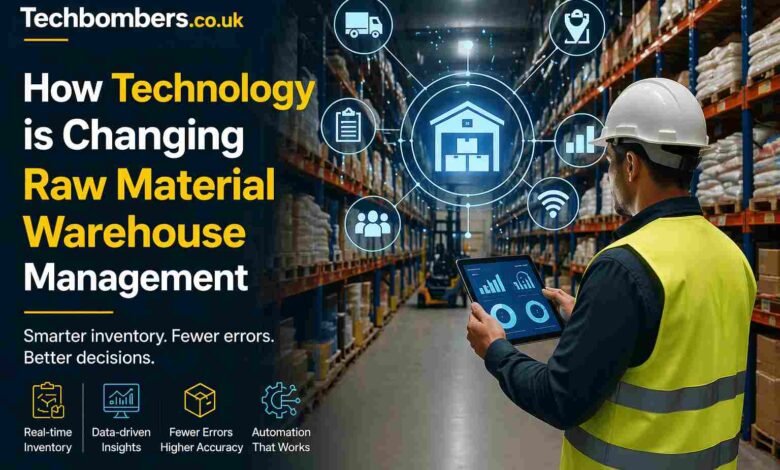
Warehouse management is going through a big shift, thanks to technology. With the rise of new tools and systems, raw material warehouses are becoming more efficient, cost-effective, and flexible. Companies that use these new technologies can manage their raw materials better, save time, and make smarter decisions.
Let’s take a closer look at how technology is making a difference in raw material warehouse management.
Warehouse Management Systems (WMS): The Heart of Modern Warehouses
At the core of today’s warehouse operations is the Warehouse Management System (WMS). This software is designed to simplify and automate key warehouse tasks like tracking inventory, managing storage, and fulfilling orders.
WMS makes a big difference by giving businesses real-time access to their stock levels. This helps warehouse managers quickly see what materials are available and prevent situations where materials run out unexpectedly. For instance, if inventory is getting low, the system can automatically reorder supplies, so production doesn’t stop due to missing materials.
One of the best things about WMS is how it helps organize space in the warehouse. By analyzing inventory data, it helps figure out the most efficient way to store raw materials. This could mean using shelves, racks, or pallet systems in a way that reduces clutter and makes it easier to find what’s needed.
WMS also streamlines order picking and packing, making sure that the right materials are shipped out on time. This can reduce the chances of mistakes and delays, ultimately speeding up the whole process and saving money.
RFID Technology: A Smarter Way to Track Materials
Instead of relying on barcodes and manual inventory counting, many warehouses are now using Radio Frequency Identification (RFID) to track raw materials.
RFID tags are small and inexpensive, and they can be attached to raw materials or their packaging. These tags send out signals that can be read by RFID scanners. With this technology, warehouse staff don’t need to manually scan barcodes or update inventories. Everything is tracked automatically.
RFID also allows for real-time inventory tracking, giving businesses an up-to-the-minute look at what they have in stock. This is especially useful for warehouses that deal with large quantities of raw materials, as it helps avoid running out of stock or having too much. For example, RFID can be used to monitor the condition of perishable materials, so they’re used before they spoil.
With RFID, mistakes due to human error are much less likely, and updates are made automatically, keeping the system accurate without any extra work.
Automation: Making Operations Faster and Safer
Automation is quickly becoming an essential part of warehouse operations. By using automated systems, raw material warehouses can increase their output while reducing the need for manual labor. Here’s how automation works:
- Automated Guided Vehicles (AGVs): These self-driving vehicles move raw materials around the warehouse, cutting down the need for staff to do this by hand. AGVs can carry heavy or bulky materials, speeding up the process and making the workplace safer.
- Robotic Arms: These robots are used to pick and place raw materials. They are much faster and more accurate than humans, especially when handling a wide range of items that need to be sorted and stored efficiently.
- Automated Storage Systems: These systems automatically store and retrieve materials from shelves or bins. This makes it easier to organize large amounts of raw materials in the warehouse, maximizing space and reducing the time it takes to find items.
By adding automation, warehouses can reduce human error, speed up material handling, and even cut labor costs. Plus, automated systems help keep workers safer by handling tasks that are physically demanding.
Cloud-Based Solutions: Accessing Data Anytime, Anywhere
In the past, warehouse management relied on on-site systems to store data, which could only be accessed from certain locations. But with cloud-based solutions, businesses can now access their warehouse data from anywhere, whenever they need it.
This is especially useful for businesses that have multiple locations or remote teams. Managers can see live updates on stock levels, track shipments, and keep an eye on orders in real-time, no matter where they are. This flexibility allows teams to make better decisions faster and collaborate more easily across departments.
Cloud systems also make it simpler for businesses to scale their operations. As a company grows, it can easily update its warehouse management tools without needing to worry about adding more physical infrastructure. And with cloud solutions, businesses don’t have to invest in expensive hardware or worry about managing servers.
Because cloud systems integrate well with other supply chain management tools, like Enterprise Resource Planning (ERP) systems, they also help streamline the entire supply chain, from sourcing raw materials to delivering finished products.
The Internet of Things (IoT): Turning Raw Material Tracking into a Smarter Process
The Internet of Things (IoT) refers to the network of connected devices that share data with each other. In raw material warehouses, smart sensors are becoming common for monitoring the conditions of materials.
For example, IoT sensors can check the temperature, humidity, and overall condition of sensitive raw materials, like food, chemicals, or pharmaceuticals. By tracking these conditions in real time, businesses can make sure their materials don’t spoil or degrade. If a sensor detects a change in temperature that could harm the materials, it alerts warehouse managers so they can take action immediately.
IoT is also helping with predictive maintenance. By placing sensors on warehouse equipment like forklifts and conveyors, businesses can track the health of these machines. If something looks like it might break down, the system will send an alert, so the issue can be fixed before it causes any delays.
This technology helps improve safety, reduce waste, and keep operations running smoothly.
Predictive Analytics: Helping Businesses Plan Ahead
Predictive analytics is all about using past data to predict future trends. In raw material warehouse management, predictive analytics helps businesses forecast which materials will be needed and when.
For example, by looking at past orders and production schedules, businesses can predict when certain raw materials will be in high demand. This allows them to prepare their stock levels ahead of time and avoid shortages. It also helps businesses decide when to reorder materials so they’re never caught off guard.
Predictive analytics also plays a role in reducing waste. By understanding the demand for raw materials, businesses can better manage their inventory, preventing overstocking. This helps save money and ensures that raw materials are always available when needed.
Blockchain: Building Trust in the Supply Chain
Though still a relatively new technology, blockchain is starting to change the way raw materials are tracked and traced through the supply chain. Blockchain is essentially a digital ledger that records transactions across multiple systems in a secure and transparent way.
In raw material warehouses, blockchain can help track materials from their origin to the warehouse and all the way through to production. By creating an unchangeable record of every transaction, blockchain makes it easier to verify the authenticity and quality of raw materials. This is particularly important for businesses that need to meet regulatory standards or want to ensure they are sourcing materials ethically.
By using blockchain technology, businesses can improve transparency, reduce fraud, and ensure they have complete control over their supply chain.
Conclusion
The integration of technology in raw material warehouse management isn’t just a passing trend. It’s an essential step toward improving efficiency, reducing costs, and making smarter decisions. Whether it’s through Warehouse Management Systems, RFID technology, or cloud-based solutions, businesses are gaining more control over their operations than ever before.
These technologies not only streamline daily tasks but also help companies stay competitive in a fast-paced, ever-changing marketplace. As technology continues to evolve, raw material warehouse management will only get smarter, faster, and more efficient. By staying up to date with these changes, businesses can ensure that they are making the most of their resources and meeting customer demands without missing a beat.
For more insights, read our article on: What Are Self-Healing Warehouses? The Next Big Thing in Logistics