
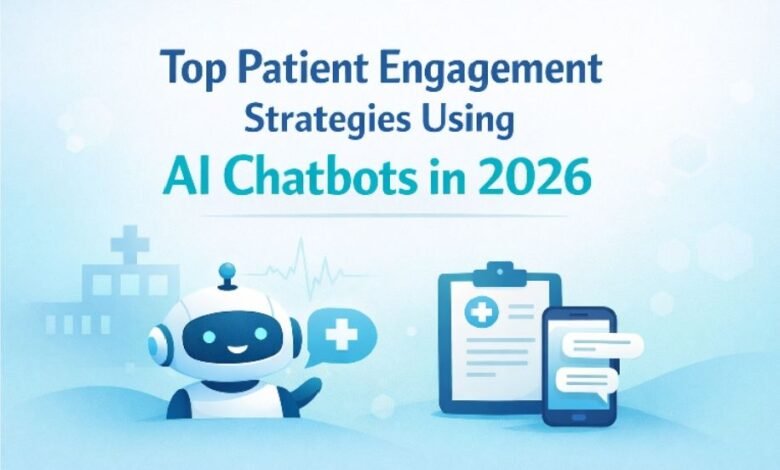
Patient engagement has moved beyond simple reminders and basic query handling. In 2026, healthcare providers are redesigning how patients interact across the entire journey, from first contact to follow-ups. AI chatbots for patient engagement now function as continuous interaction systems, not isolated tools. They manage conversations across stages, reduce communication gaps, and ensure patients receive timely guidance without depending entirely on staff availability.
The shift is toward proactive engagement. AI chatbot systems track patterns, predict patient needs, and guide actions before problems start. Instead of only replying to queries, they support decisions, keep interactions consistent, and reduce delays. The focus moves beyond answering questions to improving outcomes through steady communication, better timing, and clear interaction across the patient journey.
How AI Chatbots Improve Patient Engagement in Healthcare
Modern engagement starts before the patient even reaches a doctor. AI systems now monitor patterns, behavior, and interaction history to intervene at the right time. This approach is central to patient engagement strategies that healthcare AI is enabling today.
Instead of waiting for patients to act, systems now:
- Predict missed appointments with up to 86 per cent accuracy
- Send personalised reminders based on behaviour and channel preference
- Reduce no-show rates from around 20 per cent to under 10 per cent
The key shift is timing. Engagement happens when it matters, not after a problem occurs.
Predictive Appointment and Follow-Up Systems
Delays and missed visits often come from a lack of visibility into patient behavior. An AI chatbot for appointment scheduling in healthcare addresses this by identifying patterns and acting before issues build up. Rather than using standard reminders, it adapts communication based on patient response, helping maintain continuity and reduce missed appointments.
What changes in practice:
- Identifies patients likely to miss appointments
- Sends interactive reminders instead of static alerts
- Reschedules automatically when needed
Measured impact:
- No-show rates drop significantly
- Patient flow becomes more predictable
- Staff spend less time on manual coordination
This is where automation starts to influence both patient experience and operational efficiency.
Intelligent Triage and Patient Routing
Optimizing care delivery starts with ensuring patients are directed appropriately from the very beginning. An AI chatbot patient communication tool now enhances early-stage decision-making by leading users through organized inputs. This minimizes confusion, prevents redundant consultations, and guarantees patients access to the correct level of care quickly without burdening frontline healthcare staff.
How it works:
AI evaluates symptoms using structured questioning and routes patients to:
- Self-care guidance
- Telehealth consultations
- In-person visits when required
Outcome:
Up to 80 per cent of routine queries are handled without staff involvement. Consultation wait times reduced by around 15 per cent. This reduces unnecessary load on healthcare teams while improving response speed for patients.
Chronic Care Engagement Through Continuous Monitoring
Long-term care does not work with occasional visits alone. Patients need regular check-ins outside clinical settings to stay on track. AI systems handle this by maintaining continuous communication, helping spot issues early. This makes it easier to automate patient interaction in healthcare while allowing clinical teams to focus only on cases that actually need attention.
Typical workflow:
- Patient receives regular check-ins
- Shares simple inputs like symptoms or readings
- AI tracks patterns over time
- Alerts providers only when intervention is needed
Impact:
- Medication adherence improves by around 20 per cent
- Readmissions for chronic conditions drop by up to 25 per cent
Digital Intake and Multichannel Accessibility
Healthcare journeys often fracture before treatment even begins. Friction stems from paperwork delays, administrative hurdles, and restricted access. Automate patient interaction in healthcare with platforms like GetMyAI streamlines these initial phases through digital intake and improved accessibility, permitting patients to engage via various channels without experiencing delays or needing to provide redundant information.
Key capabilities:
- Pre-visit form filling
- Insurance verification
- Payment collection before arrival
Results:
- Check-in wait times reduced by about 40 per cent
- Administrative workload cut by up to 50 per cent
At the same time, AI chatbot use cases for patient engagement now extend across platforms:
- Website chat
- Voice interactions
With support for 100+ languages, engagement is no longer limited by geography or language barriers.
From Support Tool to Digital Front Door
Healthcare providers are no longer using chatbots as simple add-ons. They now act as the first point of interaction for patients. Many systems use AI as a single entry layer that handles first contact, routes queries, and connects with internal systems. This shift reduces pressure on call centres and improves consistency across patient interactions.
The future of AI in patient engagement is moving toward systems that manage full workflows instead of just responding to questions. These systems combine predictive insights, real-time data access, and continuous interaction to guide patients through their care journey. This creates a more structured, reliable experience and sets a new standard for how healthcare delivery operates.
Conclusion
In 2026, patient engagement is driven by timing, consistency, and continuity. AI chatbots are changing how patients interact with healthcare systems by managing communication and predicting behavior. They reduce friction across each step and keep interactions smooth. The true value comes from combining automation with clinical oversight, ensuring engagement remains efficient and aligned with patient needs.