

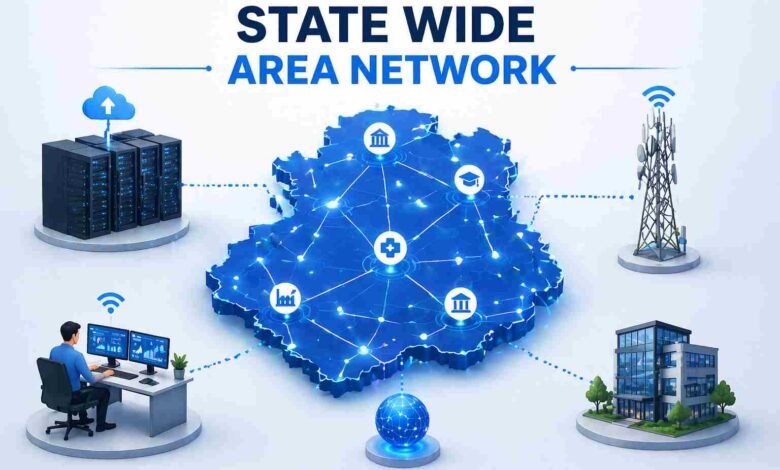
State-Wide Area Networks (SWANs) are an essential part of modern communication infrastructure, serving as the backbone for state-level connectivity. They provide a unified communication system across regions, offering numerous benefits for government agencies, educational institutions, healthcare systems, and emergency services. In this guide, we’ll explore everything you need to know about SWANs—from their definition and key features to their applications, benefits, and challenges.
What is a State-Wide Area Network (SWAN)?
At its core, a State-Wide Area Network (SWAN) is a large-scale communication network that connects multiple local area networks (LANs) across an entire state or region. Unlike a Local Area Network (LAN) that operates within a limited space, such as a single building or campus, a SWAN connects networks spread over large geographical areas, typically at a state or provincial level.
A SWAN integrates various organizations within the state, such as government departments, public services, educational institutions, healthcare facilities, and emergency services. By linking these diverse sectors, SWANs enable seamless communication, data sharing, and resource management, ultimately improving the efficiency and effectiveness of state operations.
Key Features of a State-Wide Area Network
SWANs are designed to offer reliable, high-speed communication between different regions within a state. Here are the primary features of a SWAN:
Geographical Scope
Unlike traditional LANs, which are limited to a small physical area, SWANs span entire states or regions. This means that various offices, agencies, or institutions located in different parts of the state are able to connect to one another, regardless of distance.
High-Speed Connectivity
SWANs provide fast data transfer rates, essential for real-time communication. Whether it’s government departments exchanging important data, healthcare facilities sharing medical records, or public safety teams coordinating during emergencies, SWANs ensure that information flows smoothly and quickly.
Cost Efficiency
Maintaining separate communication networks for each department or institution can be costly and inefficient. SWANs centralize the network infrastructure, reducing the overall cost of maintaining multiple systems. By consolidating resources, states can significantly reduce operational costs.
Security and Reliability
Given the sensitive nature of the data being exchanged—especially in sectors like healthcare and government—security is a top priority for SWANs. These networks implement strong encryption protocols, firewalls, and other security measures to ensure that data remains protected from unauthorized access and breaches.
The Benefits of a State-Wide Area Network
A SWAN offers several benefits to state governments and other organizations operating within a state. Let’s explore these benefits in more detail:
Improved Communication Across Government Departments
One of the primary advantages of SWANs is the improved communication they offer between government departments. State-level agencies are often spread across multiple cities or towns, making it difficult to exchange information quickly and efficiently. SWANs bridge this gap, enabling seamless communication across the state.
Streamlined Operations
By connecting various institutions within the state, SWANs streamline operations and make processes more efficient. For example, government agencies can share data in real time, which speeds up decision-making and reduces the time spent on administrative tasks. In healthcare, doctors, nurses, and administrators can access patient records instantly, improving the quality of care.
Cost Savings
As mentioned earlier, SWANs centralize network infrastructure, which helps reduce costs. By using shared resources, states save on maintaining multiple networks for different departments. SWANs also eliminate the need for redundant communication systems, reducing long-term operating expenses.
Enhanced Public Services
With improved communication and data-sharing capabilities, SWANs significantly enhance the quality and delivery of public services. Citizens can access government services more efficiently, and public sector organizations can provide better support during emergencies, like natural disasters or health crises.
The Key Uses of State-Wide Area Networks
SWANs serve multiple sectors, each benefiting from the unified communication they provide. Here’s how different sectors make use of SWANs:
Government Connectivity
A SWAN connects various government offices within a state, such as those responsible for transportation, finance, law enforcement, and emergency services. By creating a unified network, SWANs allow these departments to work together more effectively. For instance, law enforcement agencies can access state-wide databases of criminal records or traffic violations, while emergency services can communicate seamlessly during a disaster.
Public Safety and Emergency Services
SWANs are vital for public safety, especially when it comes to coordinating emergency services during crises. Whether it’s a natural disaster, an accident, or a public health emergency, SWANs ensure that emergency responders can share vital information in real time. This rapid data sharing can make the difference between life and death, as first responders are better prepared to react to unfolding events.
Healthcare Services
SWANs play a crucial role in healthcare by enabling hospitals, clinics, and other healthcare institutions within a state to exchange patient information securely. This centralized communication system ensures that medical records are accessible to healthcare providers across various locations. It helps prevent errors, reduces duplication of tests, and improves the overall quality of care.
Education
Education systems benefit from SWANs by facilitating communication between schools, universities, and government education departments. Teachers can collaborate with colleagues across the state, share resources, and improve the learning experience. Students can access state-wide educational content, participate in online courses, and connect with peers and educators in real time.
Disaster Management
During emergencies such as floods, earthquakes, or fires, SWANs support disaster management efforts by providing a reliable communication network for agencies involved in response and recovery. Data on affected areas, available resources, and affected populations can be shared rapidly, enabling quicker and more coordinated action.
How SWANs Improve Public Services
One of the most significant impacts of SWANs is their ability to improve public services. Here are a few examples:
E-Governance
SWANs help streamline government operations through the implementation of e-governance. By enabling efficient communication between various agencies, SWANs allow governments to deliver services to citizens more effectively. Citizens can file taxes online, access public records, and receive government updates quickly and easily.
Real-Time Updates
With SWANs in place, citizens and state employees can receive real-time updates on various matters, such as health emergencies, public transportation schedules, or weather warnings. For example, during a pandemic, healthcare institutions connected via SWAN can disseminate real-time information about COVID-19 cases and vaccination availability.
Better Citizen Engagement
SWANs also make it easier for citizens to engage with government services. Online platforms for filing complaints, paying taxes, or applying for permits become more efficient when backed by a state-wide network. This level of accessibility ensures that people can access the services they need without unnecessary delays.
Challenges in Implementing a State-Wide Area Network
Despite the many benefits, implementing a SWAN can come with certain challenges:
Infrastructure Costs
Setting up a state-wide network requires significant investment in infrastructure. Governments need to build data centers, upgrade communication systems, and deploy high-speed internet to support SWANs. While the long-term benefits are substantial, the initial cost can be a barrier.
Technical Complexity
A SWAN needs to be scalable and flexible to accommodate the growing demands of a state. This requires technical expertise and careful planning to ensure that the network can handle increased traffic and remain reliable over time. Integration with existing networks and systems can also be a complex task.
Security Concerns
As SWANs are central to critical state operations, they must be protected from cyber threats. Securing the data and communication channels within the network is crucial, as any breach can lead to data theft, espionage, or disruption of services. Governments must invest in cybersecurity measures to safeguard against potential risks.
Real-World Examples of SWAN Implementation
Several states and regions around the world have successfully implemented SWANs, leading to improved service delivery and communication.
For example, India’s SWAN project is designed to connect government offices across the country. By linking various departments and services, the Indian government has improved its ability to deliver services to citizens in real time. It has also reduced administrative inefficiencies and improved transparency in government operations.
In the United States, some states have implemented SWANs to improve communication between emergency services, healthcare systems, and government agencies. This network has enabled a faster response to natural disasters and health emergencies, ultimately saving lives and reducing property damage.
The Future of State-Wide Area Networks
As technology continues to evolve, so will the capabilities of SWANs. Here’s a glimpse of the future:
5G Integration
The advent of 5G technology will significantly enhance the speed and reliability of SWANs. 5G’s low latency and high-speed data transfer will enable even faster communication between state agencies and institutions. This will be particularly useful in applications that require real-time decision-making, such as emergency services or healthcare.
AI and Automation
Artificial Intelligence (AI) can be used to improve the efficiency of SWANs. AI-powered systems can analyze data in real-time, providing state agencies with valuable insights. Automated processes will help streamline administrative tasks, freeing up resources for more critical functions.
Expansion to Smart Cities
With the rise of smart cities, SWANs will play a key role in supporting urban infrastructure. From smart traffic systems to energy management and waste disposal, SWANs will provide the necessary backbone for communication and data exchange between different city sectors.
Conclusion
State-Wide Area Networks (SWANs) are transforming the way states operate, offering improved communication, data-sharing capabilities, and resource management. Whether it’s government departments, healthcare providers, or educational institutions, SWANs help bridge the gap between disconnected sectors, enhancing overall efficiency and service delivery.
As technology continues to evolve, SWANs will play an even more significant role in connecting regions, promoting public safety, and enabling smoother interactions between governments and citizens. Investing in a SWAN infrastructure is no longer just a luxury—it’s a necessity for states that wish to stay ahead in an increasingly digital world.
Stay tuned to our Networks section for more updates and insights on similar topics