

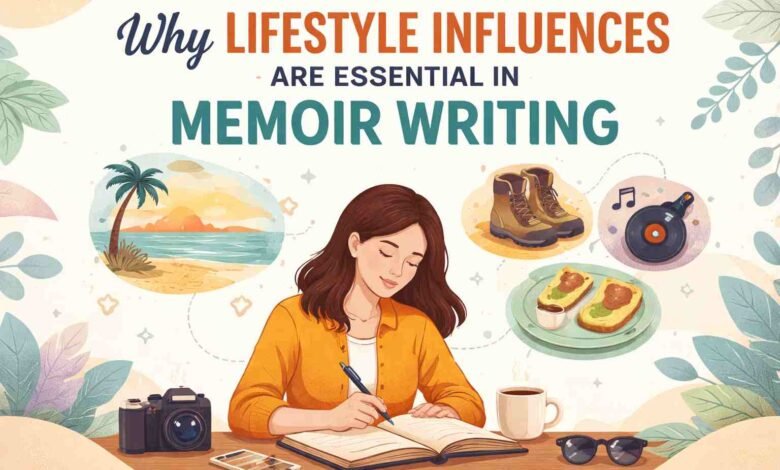
We’ve read enough memoir drafts over the years to know that raw material alone doesn’t make a great book. Some had genuinely powerful moments, real turning points, the kind of honesty that stops you mid-page, and still, something wasn’t quite sitting right. The pages moved, but they didn’t land. What was missing? No more drama. It was the smell of your grandmother’s kitchen on rainy afternoons, the exact way the screen door slammed when your dad came home tired, or the unspoken family rule that “we don’t talk about money at the table.” Those tiny, lived-in details aren’t decoration. They’re the quiet architecture that holds the entire story together.
There’s so much AI writing floating around now that it all blurs together, polished on the surface, but lacking so many things human. Readers notice that. It’s one reason more writers are trusting professionals to help refine their work while keeping the original voice intact. It’s not about adding flair. It’s about letting real life do the real work.
What Lifestyle Influences Actually Do for a Memoir
Lifestyle influences are the steady undercurrent of your days before any big event ever hits. The economic squeeze made every job feel like a gamble. The cultural expectations you soaked up at family gatherings. The physical spaces, whether a cramped apartment or a rambling farmhouse, that train how you show up in the world.
These aren’t side notes. They’re the reason your choices make emotional sense to a total stranger. When a reader sees how hand-me-down clothes and weekend garage sales wired you for both caution and quiet ambition, your later risks stop feeling random. They feel inevitable. That bridge is what turns a private history into something people can actually step inside. Professional memoir ghostwriting services can help you identify and weave these subtle lifestyle threads into a compelling narrative, ensuring your authentic voice and lived experiences resonate powerfully with every reader.
The Details That Separate Good Stories from Ones People Remember
Let me be straight: I’ve edited manuscripts packed with perfect timelines and emotional peaks that still landed flat. The fix was almost always the same. One writer I worked with grew up in a house where dinner meant standing at the counter, plates balanced, eyes on the TV. No chairs, no lingering conversation. That single habit explained decades of emotional distance better than any blowout fight scene ever could: the clink of silverware, the half-heard small talk, the way connection felt optional.
Look at what’s landing hard right now. Tessa Hulls’ Feeding Ghosts doesn’t just recount family trauma; it lets you taste the generational routines, the immigrant rituals, the quiet survival habits that shaped three women across continents. The lifestyle wasn’t the backdrop. It was the blood in the veins of the story. Readers don’t just read it, they feel the weight on their own shoulders.
Skip those layers, and even the strongest plot feels thin. Include them honestly, and the triumphs hit as they should.
A Practical Framework for Every Writer (Steal This)
After shaping more memoirs than I care to count, I boiled the process down to a simple four-step “Lifestyle Influence Discovery” exercise. No tools, no templates, nothing complicated, just a simple approach that writers keep telling us, brings back the details they didn’t even realise they’d forgotten and matter the most. Here’s what to do;
Pick one ordinary day from your past and describe it in raw sensory detail. Not the highlight reel, what did Tuesday actually smell, sound, and feel like?
List the invisible rules you grew up with: who spoke first, what topics were off-limits, what “normal” looked like in your world.
Trace how those rules showed up in one major adult decision. Connect the dots and watch the pattern snap into focus.
Ask yourself: Which of these influences am I still carrying, and which ones am I finally ready to set down?
Take a copy, scribble on it, revisit it when the draft isn’t quite working. It’s probably the most bookmarked resource I’ve shared, simply because it helps pull loose ideas into a more honest, complete story. Feel free to use it, tweak it, pass it on, that’s the point.
How a Story Ghostwriter Brings It All to Life
A good story ghostwriter doesn’t rewrite your life story; they listen for the patterns you’ve lived with so long you stopped noticing them. They ask the questions that surface those lifestyle influences naturally, then help braid them into pages that still sound exactly like you.
The result is a book that feels both deeply personal and professionally tight. In a market where the ghostwriting industry is projected to keep growing at a steady 7- 8% annually through the decade, more writers are realizing this kind of professional partnership is what separates a raw manuscript from something actually publishable and shareable.
The Payoff That Outlasts the Book Itself
When lifestyle influences sit at the center of your memoir, something shifts. The book stops being only about you. In the end, it feels like a mirror for anyone whose life has been shaped by their surroundings, be it tight-knit communities, demanding work, or the steady influence of family routines.
The writing process changes you, too. You spot old patterns you can finally break. You hand your kids something more valuable than any inheritance. And you walk away with a clearer sense of your own place in the story you lived.
If you look at the 2025 figures, it lines up. Memoirs and biographies slowed a bit, but print didn’t take a hit overall. And more importantly, readers are still looking for stories that feel real.
Ready to Let Your Real Life Lead the Story?
You’ve lived through things, ordinary days, hard stretches, moments that quietly changed you. That’s a story. A good memoir writing just helps you get it out of your head and onto the page in a way that actually lands with people.
A decent memoir recounts events. A memorable one lets readers feel the life behind it. Get the lifestyle piece right, and everything else falls into place.
Stay connected with our educational page for more such tech education information