

On a normal flight from Detroit to Tokyo, Delta Flight DL275 was expected to be just another routine, long-haul journey. However, passengers and aviation enthusiasts were in for a surprise when the plane was diverted to Los Angeles International Airport (LAX) after experiencing an unexpected issue mid-flight. But why was this flight diverted, and what led to such an emergency decision? Let’s break it down.
The Flight Path: Delta DL275’s Original Route
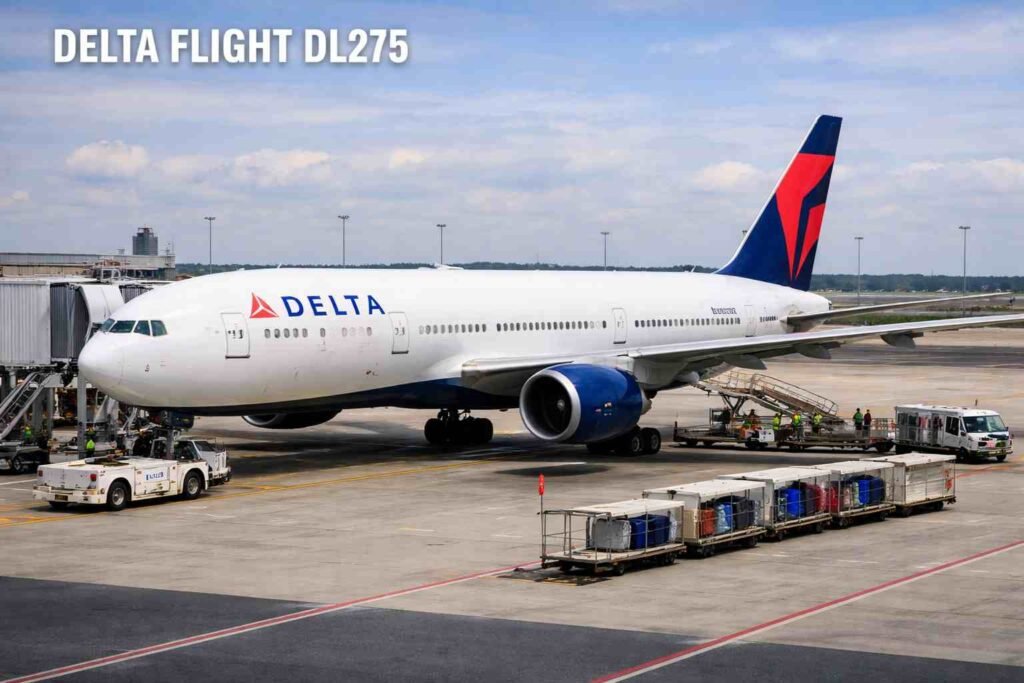
Delta Flight DL275 started its journey from Detroit Metropolitan Airport (DTW). The plane, an Airbus A350, took off with a usual destination: Tokyo Narita Airport (NRT). This is a popular international route, as Delta offers direct flights for business and leisure travelers heading to Japan. The Airbus A350 is known for its fuel efficiency and longer-range capabilities, making it a reliable choice for long-haul flights.
Given the distance, the flight was expected to be a smooth 12‑14 hours. However, things took an unexpected turn a few hours into the journey.
What Happened: The Technical Issue
About halfway through the flight, a technical issue was detected on board. The engine anti-ice system, a crucial component for high-altitude flights, malfunctioned. The system works by preventing ice build-up on critical engine parts and other components at cruising altitude. While this might sound like a minor issue, it’s actually quite serious because ice accumulation in engines can affect the performance and safety of the aircraft.
This problem raised a red flag for the flight crew. Although the aircraft was not in immediate danger, continued flight over the Pacific with a compromised anti-ice system could have posed further risks, especially considering the unpredictable nature of weather conditions over large bodies of water.
In response, the flight crew made the decision to divert the flight, prioritizing passenger safety and choosing to land at a nearby airport for repairs. But why was Los Angeles (LAX) the chosen destination?
Why LAX Was Chosen: The Decision to Divert
The choice of LAX was a strategic one. Los Angeles International Airport is not only a major Delta hub but also one of the busiest airports in the United States. Its proximity to the flight’s location, along with its excellent facilities, made it the best option for a safe and controlled landing.
Here’s why LAX made sense:
- Delta Hub: As a major Delta hub, the airport has a large team of technicians and maintenance experts who could handle the situation promptly.
- Maintenance and Support: LAX is equipped with the necessary support infrastructure, including specialized teams that work with Rolls-Royce engines (the type of engines used in this Airbus A350). This would allow for quick repairs and assessments on the ground.
- Passenger Comfort: LAX has the necessary facilities to accommodate passengers in case of further delays. Delta could ensure passengers were safely rebooked or taken care of while the aircraft was inspected.
- Strategic Location: Being one of the largest airports on the West Coast, LAX is easily accessible for flights from across the Pacific, making it the ideal landing spot for a flight mid-journey.
Passengers on Board: How They Were Affected
The diversion of Delta Flight DL275 meant that passengers had to make unplanned adjustments. While diversions are not entirely uncommon, they are certainly unsettling for those on board. Here’s what passengers likely experienced:
- Initial Announcement: Passengers would have been informed about the situation via the public address system. Flight attendants are trained to provide calm and accurate information during such events.
- Uncertainty and Anxiety: While the technical issue wasn’t a direct emergency, the uncertainty of an unscheduled landing might have caused anxiety among passengers. However, the airline assured passengers that their safety was the top priority.
- Comfort and Support: After landing at LAX, Delta quickly took care of the passengers. They were likely rebooked on subsequent flights to Tokyo or provided accommodation depending on the situation.
For passengers, the diversion wasn’t an ideal experience, but their safety was ensured by Delta’s fast and calculated response.
Behind the Scenes: What Happens After a Diversion?
Once the flight touched down at LAX, the work wasn’t over for Delta. Here’s what typically happens after a diversion:
- Aircraft Inspection: Delta’s technical teams would inspect the Airbus A350 thoroughly. Since the issue was related to the anti-ice system, they would begin by diagnosing and fixing the malfunction.
- Passenger Rebooking: Passengers who were not immediately continuing to Tokyo would have been rebooked on another flight, with some likely being offered accommodations in Los Angeles while waiting for the next available flights.
- Airline Communication: Delta would have issued official statements about the situation, explaining what happened, the actions taken, and any future implications.
Airlines like Delta have extensive protocols for handling such incidents, ensuring that any operational hiccups cause minimal inconvenience to passengers.
What Are the Broader Implications for Aviation Safety?
Delta Flight DL275’s diversion underscores the importance of aviation safety and the critical role of predictive maintenance in the airline industry. Here are a few takeaways:
- Proactive Maintenance: The technical issue with the engine anti‑ice system highlights the need for continuous monitoring and maintenance of aircraft components. Airlines have systems in place to detect and address issues before they become critical.
- Aviation Technology: Modern aviation technology, including real-time diagnostics and predictive maintenance tools, allows airlines to catch issues early and take proactive steps, like diversions, to ensure passenger safety.
- Safety First: The swift decision to divert the flight and the careful planning that followed is a prime example of how airlines prioritize safety above all else. Aviation safety standards and protocols are continually evolving, ensuring that similar issues are handled more efficiently in the future.
How Often Do Flights Get Diverted?
While incidents like Delta Flight DL275’s diversion are concerning, they are relatively rare. In fact, according to aviation statistics, flight diversions are infrequent and usually occur when airlines believe continuing the flight would pose a greater risk.
Some common reasons for flight diversions include:
- Weather-related issues: Severe weather conditions, like turbulence or storms, can force diversions.
- Technical problems: Mechanical failures, such as engine malfunctions, are a common cause.
- Medical emergencies: In-flight medical emergencies may require a diversion to the nearest airport with proper medical facilities.
- Passenger-related issues: In some cases, flights are diverted to handle disruptive passengers or other security-related concerns.
Delta’s Response and Industry Reactions
After the diversion of Flight DL275, Delta Airlines issued an official statement acknowledging the situation. They confirmed that the decision to divert the flight was made with passenger safety in mind. Delta also emphasized their commitment to safety and transparency, assuring passengers that the aircraft would undergo thorough inspection and any necessary repairs.
As for the broader aviation industry, the incident serves as a reminder of the complexity of modern air travel and the importance of preparedness for any situation, even during seemingly routine flights.
What Can You Do If Your Flight Gets Diverted?
If you find yourself in a similar situation where your flight is diverted, here are a few tips:
- Stay Calm: Flight diversions are usually precautionary and are done with passenger safety in mind.
- Listen to Announcements: Flight crews are trained to keep you informed. Pay attention to any information shared via the public address system.
- Ask Questions: If you are unsure about your next steps or arrangements, don’t hesitate to ask the flight crew or airport personnel for assistance.
- Check for Updates: Airlines often send notifications via text or email to passengers affected by diversions. Keep your phone charged and check for any new information.
Conclusion: Lessons from Delta Flight DL275’s Diversion
The diversion of Delta Flight DL275 to LAX was a rare event that involved a critical technical issue. However, the swift action by the flight crew, the choice of LAX as the diversion point, and the overall safety protocols ensured that passengers were never in immediate danger.
For travelers, this incident serves as a reminder of the complexities involved in modern air travel, as well as the importance of aviation safety. It also highlights the evolving role of predictive maintenance technology and how it can help prevent larger issues before they affect passengers.
Next time you board a flight, remember that behind the scenes, airlines like Delta are constantly working to ensure your safety — even when faced with unexpected challenges. Stay informed, stay safe, and don’t forget to check for updates if your flight happens to get diverted.
You May Also Read: United Flight UA967 Diverted: What Happened and Why?
FAQs
Why do flights get diverted?
Flights are diverted for safety reasons, including technical issues, medical emergencies, or weather-related events.
How often do flight diversions happen?
Diversions are relatively rare, but they do occur when an issue arises that could affect passenger safety or the success of the flight.
Is it common for planes to have engine problems?
Engine malfunctions are rare, thanks to rigorous maintenance procedures. However, when they do occur, airlines follow strict protocols to ensure the safety of everyone on board.