The Role of ERP Warehouse Management Systems in Streamlining Operations

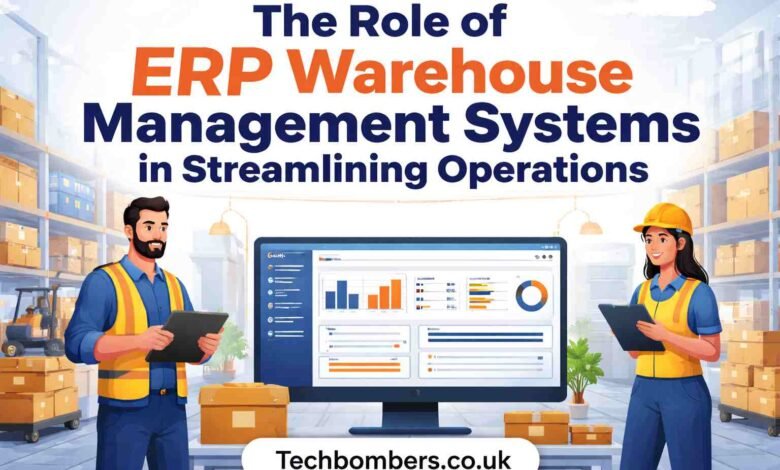
In today’s fast-paced business world, companies are constantly seeking ways to enhance operational efficiency. One of the most crucial areas that businesses often overlook is their warehouse operations. Warehouses play a significant role in inventory management, order fulfillment, and overall customer satisfaction. A small mistake in this area can lead to stockouts, shipping delays, or, worse, lost sales.
This is where ERP (Enterprise Resource Planning) Warehouse Management Systems (WMS) come into play. By combining the power of ERP and WMS, businesses can streamline their warehouse operations, improve inventory management, and ensure smoother business processes. But how exactly do ERP WMS solutions contribute to operational efficiency? Let’s explore.
What is an ERP Warehouse Management System (WMS)?
Before diving into the benefits and role of ERP WMS, it’s essential to understand what these systems are.
An ERP (Enterprise Resource Planning) system is a comprehensive software suite used by businesses to manage and integrate various core functions such as finance, HR, inventory, procurement, and customer relations.
A Warehouse Management System (WMS), on the other hand, is specifically designed to optimize the operations inside a warehouse. It manages tasks such as inventory tracking, order picking, packing, shipping, and returns. When integrated into an ERP system, a WMS ensures that all warehouse-related activities are seamlessly connected with other business processes like sales, procurement, and finance.
Together, ERP and WMS form a powerful, unified platform that enables real-time visibility, centralized data management, and efficient execution of warehouse tasks.
Key Features of ERP Warehouse Management Systems
An ERP WMS is packed with features designed to streamline warehouse operations. Here are some of the key functionalities:
Real-Time Inventory Tracking
One of the most significant advantages of an ERP-integrated WMS is real-time inventory tracking. Traditional warehouse systems may rely on periodic stock checks, which can lead to inaccuracies and delays. In contrast, ERP WMS solutions continuously monitor inventory levels, offering up-to-date information on stock quantities, locations, and movement.
This feature allows businesses to avoid overstocking or stockouts, which can disrupt operations and harm customer satisfaction. Additionally, real-time tracking ensures that inventory data is synchronized across the entire organization, providing a single source of truth.
Automated Warehouse Processes
Automation is a game-changer when it comes to warehouse management. ERP WMS systems automate many time-consuming tasks like order picking, packing, labeling, and shipping. For example, automated picking systems can guide warehouse employees to the most efficient picking locations, reducing the time spent searching for products and improving accuracy.
Automation also helps reduce human error, increase throughput, and boost overall productivity. By minimizing manual processes, employees can focus on more value-added activities, further streamlining warehouse operations.
Centralized Data Management
A significant advantage of integrating WMS into an ERP system is centralized data management. With this integration, all relevant data—inventory levels, order statuses, shipments, returns, and more—are stored in one place.
This ensures that departments across the organization can access the same accurate, real-time information. For example, the finance team can instantly access up-to-date stock levels to make better decisions regarding procurement and budgeting. Similarly, the sales team can check product availability in real time, improving customer service and reducing the risk of overselling.
Improved Order Fulfillment
Order fulfillment is one of the most critical functions in a warehouse. ERP WMS solutions help optimize this process by improving order accuracy and shipping speed.
With real-time data, warehouse staff can quickly locate products, reducing pick times. Automated systems can also prioritize orders based on urgency or shipping deadlines, ensuring that high-priority orders are fulfilled first. Additionally, packing stations within the ERP WMS can automatically suggest the best packaging materials based on the size and weight of the items being shipped, minimizing packaging waste and cost.
Multi-Warehouse Management
For businesses with multiple warehouse locations, managing inventory across various sites can be a logistical nightmare. ERP WMS systems solve this problem by providing centralized control over multiple warehouses. Businesses can track stock levels, transfer goods between locations, and ensure that inventory is allocated where it’s needed most.
This multi-location support allows businesses to fulfill orders faster, even if the product is located in a different warehouse. This is particularly useful for eCommerce businesses that need to manage stock across various regions or countries.
Benefits of ERP Warehouse Management Systems in Streamlining Operations
Now that we’ve covered the key features, let’s look at how these features translate into real-world benefits for businesses.
Increased Operational Efficiency
An ERP-integrated WMS automates and streamlines a variety of warehouse processes, allowing businesses to handle higher order volumes without the need for more labor or resources. Automated systems for picking, packing, and shipping save time and reduce errors, directly contributing to improved operational efficiency.
Additionally, real-time inventory tracking ensures that businesses can avoid common warehouse problems like excess stock, misplaced inventory, or stockouts—issues that can cause delays and drive up operational costs.
Cost Savings
By improving warehouse operations and reducing inefficiencies, ERP WMS solutions help businesses cut down on various operational costs. Here are a few examples:
- Labor Costs: Automation reduces the need for manual labor, allowing warehouse employees to focus on higher-level tasks.
- Inventory Holding Costs: Real-time inventory management ensures that businesses don’t hold excess stock, which reduces the cost of storage.
- Shipping Costs: Optimized packing and better order picking processes reduce shipping errors and ensure that orders are packed efficiently, cutting down on transportation expenses.
Improved Customer Satisfaction
Customer satisfaction is critical for businesses in today’s competitive environment. An ERP WMS plays a vital role in meeting customer expectations by ensuring:
- Fast, accurate order fulfillment
- On-time deliveries
- Accurate stock availability information
By reducing errors in picking, packing, and shipping, ERP WMS ensures that customers receive the right products on time, improving overall satisfaction and encouraging repeat business.
Better Decision Making
An ERP WMS provides business leaders with real-time data on warehouse operations. This data can be used to make better, more informed decisions about inventory management, procurement, and logistics. For example, businesses can identify trends in product demand and adjust inventory levels accordingly, ensuring that they are always prepared for peak seasons.
Moreover, the centralized data system allows departments such as sales, finance, and operations to collaborate more effectively, resulting in faster decision-making processes.
Scalability
As your business grows, so do your warehouse needs. An ERP WMS system is highly scalable, meaning that as your order volumes increase, your system can grow with you. Whether you expand your warehouse space, add more locations, or increase your product range, an ERP WMS system can adapt to handle increased complexity without causing disruption to daily operations.
Challenges of Implementing ERP Warehouse Management Systems
While the benefits of ERP WMS are clear, implementing such systems can come with its own set of challenges. Here are a few obstacles businesses may encounter:
Integration Complexity
One of the most significant challenges when adopting an ERP WMS is the integration process. For businesses that already use an ERP system but need to add WMS capabilities, integrating the two can be complex. The process involves ensuring data flows seamlessly between both systems and ensuring that all business units—such as inventory, sales, and finance—are aligned.
Upfront Costs
The initial cost of implementing an ERP WMS can be high, especially for smaller businesses. This includes software licensing, customization, employee training, and system setup. However, it’s important to recognize that these upfront costs will likely pay off over time through efficiency gains and cost reductions.
Employee Training
For an ERP WMS system to succeed, employees must be trained on how to use the software effectively. A lack of proper training can lead to errors and underutilization of the system’s features. Businesses need to invest in change management to ensure a smooth transition to the new system.
Customization Needs
Every warehouse operates differently, and businesses may require customized features for their ERP WMS. Customization can add time and cost to the implementation process, as businesses may need to work closely with vendors to tailor the system to their specific needs.
Conclusion
In conclusion, ERP Warehouse Management Systems are a critical tool for modern businesses looking to streamline their warehouse operations. By integrating WMS with ERP systems, companies can achieve real-time inventory visibility, automate warehouse processes, improve order accuracy, and reduce operational costs. Ultimately, the role of ERP WMS is to increase efficiency, improve customer satisfaction, and enhance decision-making, positioning businesses for long-term growth and success.
However, implementing ERP WMS comes with challenges such as integration complexity, upfront costs, and training requirements. But with the right planning and execution, these challenges can be overcome, allowing businesses to reap the benefits of a more efficient and scalable warehouse operation.
As businesses continue to grow, adopting an ERP-integrated WMS is no longer just a luxury—it’s a necessity. Whether you’re looking to optimize your existing warehouse operations or expand your capabilities, investing in ERP WMS can set your business on the path to greater operational success.
For more insights, read our article on: 8 Ways to Choose a Warehouse Management System