Top ERP Software for Construction Companies: Streamline Your Projects

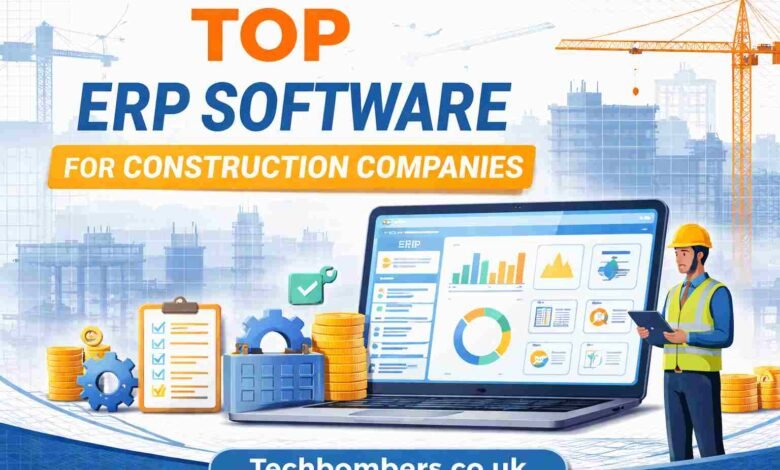
In today’s fast-paced construction industry, managing multiple projects, teams, resources, and financials can be a daunting task. Construction companies face a range of challenges, from tracking expenses and meeting deadlines to ensuring smooth communication between workers and stakeholders. This is where ERP (Enterprise Resource Planning) software comes in.
ERP software integrates various business processes into a single system, allowing construction companies to streamline operations, improve collaboration, and enhance decision-making. If you’re considering adopting an ERP system for your construction firm, this guide will help you explore the top ERP solutions available and understand how they can transform your business.
Note: This article is written solely to guide our audience. It is not a sponsored article and is not affiliated with any software.
What is ERP Software?
ERP software is a suite of applications designed to help organizations manage core business processes in a centralized system. It typically integrates functions such as financial management, project management, human resources, procurement, and supply chain management. By centralizing data, ERP helps businesses gain real-time insights, automate routine tasks, and improve overall efficiency.
For construction companies, ERP software is crucial as it combines project management tools, accounting features, and workforce management capabilities into a single system. This integration ensures smoother operations, reduces administrative overhead, and minimizes the risk of errors.
Key Features of ERP Software for Construction Companies
Before we dive into the top ERP software solutions, let’s first discuss some essential features that make ERP systems valuable for construction businesses:
Project Management
Effective project management is at the core of every construction business. ERP software helps in planning, scheduling, and tracking the progress of construction projects. Features like task assignment, timeline tracking, and milestone management ensure that projects are completed on time and within budget.
Job Costing and Budgeting
Construction projects often involve complex budgets with multiple cost components. ERP systems allow companies to track job costs, allocate expenses to specific tasks, and compare actual spending against budgeted amounts. This feature helps prevent cost overruns and provides financial visibility throughout the project lifecycle.
Resource and Workforce Management
Managing manpower and resources can be challenging in construction. ERP software simplifies this by providing tools for scheduling and tracking labor hours, ensuring that workers are deployed efficiently. It also helps in managing equipment, ensuring that machinery is available when needed.
Supply Chain and Procurement Management
Procurement plays a crucial role in the success of construction projects. ERP systems help construction companies track materials, manage vendor relationships, and ensure timely deliveries. This helps avoid project delays and keeps costs in check by optimizing inventory levels.
Financial Management and Reporting
Managing finances in construction can be complicated. ERP software provides tools to track invoicing, payments, and overall cash flow. It also generates detailed financial reports, making it easier for business owners to assess project profitability and make informed decisions.
Mobile Accessibility
Many construction projects are managed on-site, where workers and managers need real-time access to project data. Modern ERP solutions offer mobile applications, allowing teams to access project details, update status, and communicate with each other directly from the field.
You Might Also Check: What is 3PL Software and How Does It Work?
Top ERP Software Solutions for Construction Companies
Now that we understand the essential features, let’s explore the top ERP software solutions that are specifically designed to meet the needs of construction companies.
Procore
Overview: Procore is a popular cloud-based ERP solution tailored to the construction industry. It offers an all-in-one platform for managing projects, teams, financials, and more.
Key Features:
- Project management tools for scheduling, task management, and progress tracking.
- Budgeting and financial management tools, including cost tracking and change order management.
- Real-time collaboration between teams, subcontractors, and clients.
- Document management to store contracts, blueprints, and other project-related documents.
Why it’s Ideal for Large-Scale Projects: Procore is designed to handle large construction projects, making it a great choice for businesses with complex needs. Its cloud-based platform allows teams to work together seamlessly, even from remote job sites.
Buildertrend
Overview: Buildertrend is an easy-to-use ERP solution for homebuilders, remodelers, and general contractors. It focuses on simplifying project management and enhancing client communication.
Key Features:
- Project scheduling, budgeting, and task management.
- Integrated communication tools for clients, contractors, and suppliers.
- Customer relationship management (CRM) tools to track leads, proposals, and follow-ups.
- Mobile-friendly interface for on-the-go project management.
Why it’s Great for Small to Mid-Sized Companies: Buildertrend is known for its user-friendly interface, making it ideal for smaller construction firms. Its robust features help improve client relations and keep projects organized without being overwhelming.
Sage 300 Construction and Real Estate
Overview: Sage 300 is a comprehensive ERP solution designed for large construction and real estate companies. It integrates accounting, project management, and procurement functions into one platform.
Key Features:
- Job costing and budgeting tools to track project finances.
- Financial reporting and analysis tools for accurate financial forecasting.
- Procurement management, including vendor and material tracking.
- Integration with other software, such as payroll and accounting tools.
Why it’s Ideal for Large Enterprises: Sage 300 is well-suited for large construction firms and real estate developers. Its robust accounting and financial management features make it an excellent choice for businesses that require extensive financial tracking and reporting.
Viewpoint Vista
Overview: Viewpoint Vista is an ERP solution that provides tools for managing construction projects, finances, and operations. It’s especially useful for firms in the heavy civil, general contracting, and specialty trades sectors.
Key Features:
- Construction-specific financial management tools for project tracking and reporting.
- Integration with field operations and back-office functions.
- Document management system to store contracts, change orders, and RFIs.
- Real-time reporting for better decision-making.
Why it’s Perfect for Data-Driven Construction Firms: Viewpoint Vista’s powerful analytics and reporting capabilities provide valuable insights, helping firms make data-driven decisions that optimize project performance and profitability.
CoConstruct
Overview: CoConstruct is an ERP system designed for custom home builders and remodelers. It helps companies manage their projects, clients, and finances with ease.
Key Features:
- Project management tools for scheduling, budgeting, and communication.
- Financial tools for cost tracking and client invoicing.
- Client portal for seamless communication and collaboration.
- Integration with accounting software like QuickBooks.
Why it’s Best for Custom Builders: CoConstruct is ideal for small to medium-sized companies that specialize in custom building projects. It’s a perfect fit for companies that need to manage client communication and project details efficiently.
e-Builder
Overview: e-Builder is a cloud-based ERP solution designed for managing capital construction projects. It provides a comprehensive set of tools for tracking project costs, schedules, and documentation.
Key Features:
- Project management tools for scheduling, cost tracking, and reporting.
- Document management and version control for easy access to project files.
- Real-time budget and financial tracking.
- Integration with accounting and other software systems.
Why It’s Suitable for Capital Projects: e-Builder is a top choice for firms managing large capital projects, such as infrastructure and commercial construction. Its robust reporting and project tracking features ensure smooth project execution from start to finish.
CMiC
Overview: CMiC offers an integrated ERP platform that supports both the financial and operational needs of construction companies. It provides solutions for project management, financial management, and enterprise performance.
Key Features:
- Project and financial management tools for complete project tracking.
- Document management and workflow automation.
- Real-time access to project data for better decision-making.
- Mobile access for on-site project management.
Why It’s Best for Large Firms with Complex Needs: CMiC is a highly scalable solution, making it ideal for large construction firms with multiple ongoing projects. Its ability to integrate financials, operations, and reporting makes it an essential tool for companies looking to improve overall efficiency.
You Might Also Check: Procore Alternatives: Top Construction Management Tools for 2026
Factors to Consider When Choosing ERP Software for Construction Companies
When selecting an ERP solution for your construction company, it’s important to keep the following factors in mind:
- Scalability: Ensure that the ERP system can scale with your business as it grows and takes on larger projects.
- Industry-Specific Features: Choose software that provides the tools specifically needed for construction, such as job costing, project tracking, and procurement management.
- User-Friendliness: Make sure the system is easy to use for your team, even if they are not tech-savvy.
- Integration with Existing Tools: Ensure that the ERP system integrates with your existing tools (such as accounting software or CRM systems).
- Cost: Consider the pricing structure and choose a solution that aligns with your budget.
- Cloud vs. On-Premise: Depending on your business needs, decide whether a cloud-based ERP solution or an on-premise solution is better suited for you.
Conclusion
ERP software is no longer a luxury for construction companies; it’s a necessity. Whether you’re managing a small residential project or a large-scale commercial development, ERP systems can streamline operations, reduce costs, and improve overall project visibility.
By choosing the right ERP solution, you can manage resources more efficiently, control project budgets, and enhance collaboration across teams. Consider your company’s specific needs and growth potential before selecting an ERP system. Implementing the right solution can be the key to boosting your construction company’s efficiency, profitability, and long-term success.
For more insights, read our article on: Top 8 Construction Facility Management Softwares in 2026