
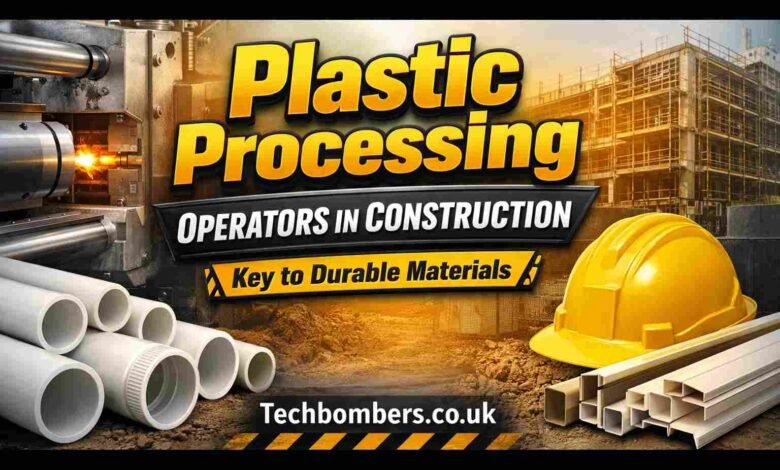
When we think about building materials, we often think of concrete, steel, and wood. But one material that plays a major role in modern construction is plastic. From plumbing pipes to insulation, plastic has become an essential part of how we build today. At the center of plastic production are Plastic Processing Operators—the people who make sure the raw plastic gets shaped into the products we use in construction every day.
These operators work with different machines and methods to create plastic components that are used for a variety of purposes, from pipes to panels to electrical boxes. Let’s take a closer look at what these workers do and how their role fits into the construction industry.
What is a Plastic Processing Operator?
Simply put, a Plastic Processing Operator is someone who works with machinery that turns raw plastic into products. These products might be anything from plumbing pipes to insulation panels. Operators control and monitor the machines, ensuring everything runs smoothly and the products meet quality standards.
It’s not just about pushing buttons. Operators need to understand the material they’re working with, know how to adjust the machines, and make sure the products are up to scratch. They also need to follow safety procedures and conduct maintenance on the machines to keep everything running.
Different Types of Plastic Processing Methods Used in Construction
There are several ways plastic can be shaped and molded for construction. Each method is used for different products, and knowing how these methods work helps plastic processing operators do their job well.
Injection Molding
Injection molding is a common method for creating small plastic components, like fittings or electrical outlets. The process involves melting plastic and injecting it into a mold where it cools and hardens. This technique allows for the production of complex shapes and is widely used to create things like plastic pipe fittings or electrical enclosures.
Extrusion
In extrusion, plastic is pushed through a mold to create long shapes with a constant cross-section. This method is especially useful for making things like plastic pipes, window frames, and insulation materials. Once the plastic is extruded, it can be cut into the needed lengths and is then ready for use in construction projects.
Blow Molding
Blow molding is used to create hollow plastic products, such as plastic tanks or ventilation pipes. In this process, hot plastic is inflated inside a mold to form the desired shape. This method is ideal for making large, lightweight products that are still durable enough for construction use.
Thermoforming
Thermoforming is when a plastic sheet is heated until it’s soft enough to be molded into shapes like wall panels or roofing sheets. This method is widely used for making items that need to be lightweight, yet strong, and can also be aesthetically pleasing for interior applications, like decorative panels or cladding.
Responsibilities of a Plastic Processing Operator in Construction
Plastic processing operators play a crucial role in ensuring that plastic products are made to the highest standards. Here are some of the key tasks they handle:
Operating the Machines
The primary job of a plastic processing operator is to operate the machines that turn raw plastic into usable components. Whether it’s an injection molding machine, an extruder, or a blow molding machine, operators are responsible for running these machines efficiently and safely. They must understand how the machines work, how to adjust settings, and how to troubleshoot any problems that arise.
Quality Control
Plastic processing operators are also responsible for ensuring that the products meet quality standards. This could involve checking the dimensions of molded parts, testing the strength of plastic pipes, or making sure that the color and texture are consistent. If something goes wrong, the operator needs to figure out what caused the issue and fix it before it becomes a bigger problem.
Machine Maintenance
Plastic processing machines require regular maintenance to keep them running smoothly. Operators need to perform routine tasks like cleaning the machines, checking for wear and tear, and replacing parts when needed. This maintenance helps prevent machine breakdowns, which can slow down production.
Handling Materials
Operators are also responsible for handling the raw materials that go into the machines, such as plastic pellets or sheets. They need to make sure they’re using the right type of plastic for each job and that it’s stored properly to prevent contamination or damage.
Safety Procedures
Safety is a top priority in any manufacturing environment, and plastic processing is no different. Operators need to follow strict safety guidelines to protect themselves and their coworkers. This includes wearing personal protective equipment (PPE), such as gloves and goggles, and ensuring that the workplace is organized and free from hazards.
Plastic Processing in the Construction Industry
Plastic plays a significant role in the construction industry because of its versatility, durability, and cost-effectiveness. Here’s how plastic components are used in construction:
Durability and Lightweight
Plastic materials are lightweight but strong, making them perfect for things like pipes and window frames. For example, PVC pipes are used in plumbing because they are resistant to corrosion, easy to install, and much lighter than metal pipes. Plastic is also used in roofing and insulation materials, as it can withstand harsh environmental conditions without breaking down.
Cost-Effective
Compared to materials like metal and concrete, plastic is relatively inexpensive. For construction projects on a budget, using plastic can save a lot of money while still providing high-quality results. Whether it’s for plastic roofing membranes or wall panels, plastic is a cost-effective alternative that doesn’t compromise on performance.
Sustainability
As the construction industry moves towards greener practices, the role of recycled plastic in building materials is growing. Many construction companies are now using recycled plastics to produce items like insulation and cladding. Operators who work with recycled materials play a key role in supporting sustainable building practices.
Skills and Qualifications for a Plastic Processing Operator
Plastic processing operators need a range of skills to succeed in the construction industry. Here’s what they need:
Technical Knowledge
Operators must have a strong understanding of plastic materials and the various processing methods. This includes knowing how different plastics behave during production and how to adjust the machines accordingly.
Hands-On Experience
Experience with operating plastic processing machines is crucial. Operators should know how to set up and troubleshoot equipment, as well as how to keep everything running smoothly.
Attention to Detail
Operators need to be detail-oriented to ensure that the plastic products are made to the right specifications. Small defects can affect the quality of the final product, so a keen eye for quality control is essential.
Safety Knowledge
Given the potential hazards of working with machinery and hot materials, operators must be well-versed in safety procedures. This includes following industry regulations and using personal protective equipment to minimize risk.
Certification and Training
While formal education is not always required, having training or certification in plastic processing can help operators advance in their careers. Many technical schools and online programs offer courses that teach the skills needed to work with plastic processing equipment.
You Might Also Check: Chief Technical Examiner (CTE): Role, responsibilities & Impact
The Future of Plastic Processing in Construction
The future of plastic in construction looks bright, with several trends emerging:
Automation
As technology advances, more plastic processing tasks are being automated. Automated systems can help increase precision and efficiency while reducing the risk of human error. Operators will need to adapt to these technologies, learning how to work with robots and automated machines.
3D Printing
3D printing is making waves in the construction industry, and plastic is one of the primary materials used. With 3D printing, it’s possible to create custom plastic parts on demand, which can be used for everything from small decorative elements to structural components.
Eco-Friendly Plastics
As sustainability becomes more important in construction, there’s a growing focus on using recycled plastic and creating plastic materials that are better for the environment. Operators will need to be trained in handling these eco-friendly materials and ensuring they meet the necessary standards.
Challenges and Opportunities for Plastic Processing Operators
Like any industry, plastic processing in construction has its challenges. Operators must stay on top of evolving technologies and regulations, and they may face difficulties when dealing with new materials. However, these challenges also bring opportunities for career growth. Skilled operators who stay current with industry changes can find new opportunities in advanced technologies like automation and 3D printing.
Conclusion
Plastic processing operators are a crucial part of the construction industry. They take raw plastic materials and turn them into products that are used in everything from plumbing systems to insulation. With plastic being a vital material in modern construction, the role of the operator is more important than ever. As the industry continues to innovate and focus on sustainability, plastic processing operators will continue to be at the forefront of creating the durable, cost-effective, and eco-friendly materials that help build the world’s infrastructure.
If you’re looking to enter the construction industry or considering a career in plastic processing, now is a great time to start. With the right skills and training, you can become part of a growing industry that’s shaping the future of construction.
For more insights, read our article on: The Role of GPS in Modern Construction Technology