
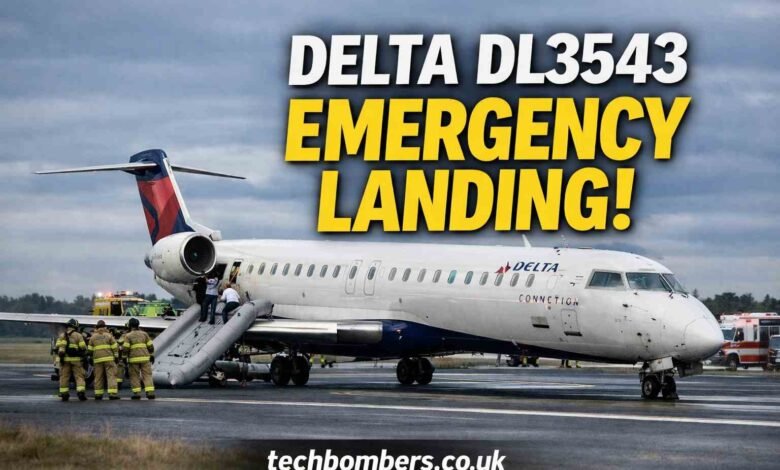
On July 7, 2025, Delta Connection flight DL3543 became the center of attention after a mid-flight emergency landing just moments after taking off from Minneapolis-Saint Paul International Airport (MSP). This event, while alarming, is actually a perfect example of how aviation protocols ensure passenger safety.
In this post, we will break down the incident step-by-step, explain why the emergency was declared, and show you why situations like this actually reinforce the safety of air travel. Let’s dive into what happened on Delta Connection flight DL3543 and why it matters.
What Happened on Delta Connection Flight DL3543?
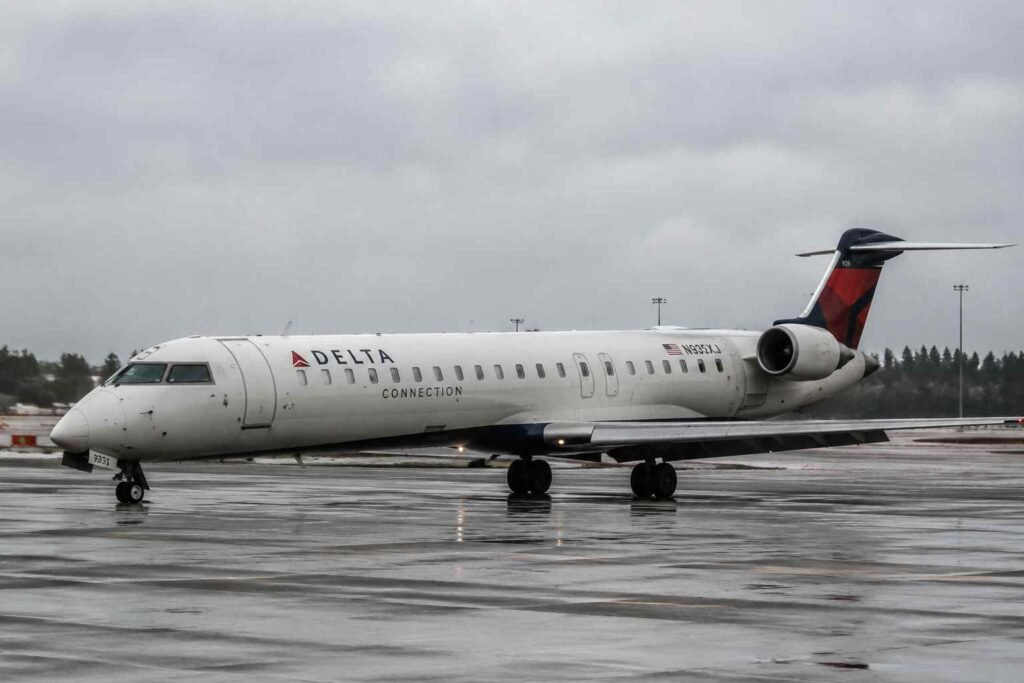
On July 7, 2025, Delta Connection flight DL3543 took off from Minneapolis en route to Chicago Midway International Airport. The flight was operated by Endeavor Air, a regional affiliate of Delta Air Lines, and was on a routine journey. However, just minutes into the flight, something went wrong.
As the aircraft climbed to about 21,000 feet, the flight crew identified an issue, likely a technical anomaly. Instead of continuing the flight, the crew decided to declare an emergency. The aircraft returned to Minneapolis and landed safely approximately 37 minutes after takeoff, with emergency services waiting on the ground.
The term “emergency landing” might sound alarming to those unfamiliar with aviation, but in reality, it’s a precautionary measure used to ensure everything is thoroughly checked before continuing. The emergency landing of Delta Connection flight DL3543 was a clear example of why air travel is safer than most people realize.
You Might Also Check: Why Air France A350 Flight from Chicago Turned Around?
Why Was an Emergency Declared on Flight DL3543?
So, why was an emergency declared on Delta Connection flight DL3543? The truth is, minor technical issues or alert systems can trigger a flight crew to take swift action. In this case, the exact reason for the emergency was not immediately released, but several possibilities exist.
Technical Anomalies: What Might Have Triggered the Alert?
One likely reason could be a pressurization issue. Aircraft cabins are pressurized to maintain a comfortable atmosphere for passengers, but if there’s a malfunction in the system, it can trigger an alert. Another possible reason could be an issue with the electrical systems, avionics, or even power supply.
Any small disruption, especially during the critical phase of climb after takeoff, is enough to warrant an immediate response. Pilots are trained to err on the side of caution, ensuring that the aircraft doesn’t continue on its journey until the issue is fully assessed and resolved.
Squawk 7700: What Does It Mean?
When the crew of DL3543 declared an emergency, they used a Squawk 7700 code. This is a special transponder signal that pilots can send to air traffic control (ATC) to alert them to an emergency. It immediately gives priority to the flight and ensures the crew receives the necessary clearance to return to the airport safely.
The Squawk 7700 code is recognized universally in aviation, signaling to ATC that the flight is experiencing an issue that requires urgent attention. While it may sound severe, it is simply a way for the crew to ensure they get the assistance needed to manage the situation.
How Aviation Safety Protocols Work in Action
It’s important to understand that declaring an emergency and returning to the airport isn’t necessarily a sign that something catastrophic is happening. Instead, it’s part of a carefully developed and proven system that prioritizes passenger safety.
Flight Crew’s Decision-Making Process
When a flight crew faces a technical alert or other in-flight anomaly, they don’t just take immediate action. They follow a series of protocols designed to assess the situation, minimize risk, and keep passengers informed. Here’s a breakdown of how the process works:
- Assess the Alert: The flight crew receives the alert from the aircraft’s systems and evaluates the potential risks. If the issue is severe, they immediately consider the safest option: returning to the nearest suitable airport.
- Declare the Emergency: The Squawk 7700 code is transmitted to ATC, notifying them of the emergency and requesting priority clearance. The flight crew prepares the aircraft for an immediate landing, and emergency services are alerted.
- Passenger Communication: During this time, the crew communicates with passengers, informing them of the situation and reassuring them that safety is the top priority.
- Return and Land Safely: The aircraft turns back toward the departure airport, and emergency vehicles are placed along the runway as a precaution. The aircraft lands safely, and the passengers are allowed to deplane once the situation is resolved.
The Role of Ground Support and Emergency Services
In situations like these, ground support teams and emergency services play a crucial role. Air traffic control provides priority handling, ensuring that the aircraft gets a clear path back to the airport. Fire trucks, medical teams, and other emergency vehicles are pre-positioned at the airport to respond quickly if necessary.
While incidents like this are rare, having emergency services ready for action is an essential part of the aviation safety infrastructure. Their presence doesn’t mean the situation is dire but reflects the aviation industry’s commitment to thorough safety measures.
You Might Also Check: United Flight UA967 Diverted: What Happened and Why?
What Does “Emergency Landing” Really Mean?
When people hear the phrase “emergency landing”, they often think of a life-threatening situation. However, in aviation, the term is used far more broadly to describe any precautionary measure taken when something goes wrong, no matter how small.
Not Always a Life-Threatening Situation
In fact, most emergency landings are the result of non-life-threatening issues, such as a minor mechanical glitch or a temporary sensor error. These types of events are carefully managed by the flight crew and ground personnel, and they rarely lead to harm.
When Delta Connection flight DL3543 declared an emergency, the issue that prompted it was most likely a technical alert or system malfunction. While such issues can be unsettling, aviation has built-in systems designed to ensure that they don’t lead to serious accidents.
How Aviation Safety Systems Keep Passengers Safe
One of the main reasons aviation is so safe is due to the redundancy built into aircraft systems. Modern aircraft are equipped with multiple layers of backup systems to ensure that if one fails, others will take over. This provides fail-safe protection for the aircraft, crew, and passengers.
Additionally, pilots undergo regular training and simulations to prepare for any situation, including technical failures. They are trained to remain calm, assess the situation, and make decisions that prioritize safety above all else.
Passenger Experience During an Emergency Landing
While experiencing an emergency landing may seem terrifying to some passengers, most travelers don’t realize how smoothly these situations are managed behind the scenes.
Calm, Reassuring Communication from the Crew
One of the most critical aspects of the emergency landing process is how the crew communicates with passengers. When an emergency is declared, the flight attendants and pilots quickly inform passengers of the situation. They reassure them that the situation is under control and explain the steps they are taking.
This communication helps to calm passengers, making them feel more at ease during a potentially tense moment. By the time the aircraft lands, passengers typically understand that the situation was handled with professionalism and care.
Post-Landing Actions and Rebooking
After landing safely, passengers are allowed to deplane and are often provided with information about the next steps. In the case of Delta Connection flight DL3543, the airline likely rebooked affected passengers on later flights to their intended destinations.
While there may be some delays or disruptions, passengers can rest assured that their safety was the airline’s top priority.
Why This Emergency Landing Should Instill Confidence in Air Travel
Although incidents like the emergency landing of Delta Connection flight DL3543 can seem alarming at first, they should actually increase your confidence in air travel.
Safety Protocols Are Designed to Protect Passengers
Airlines and aviation authorities are constantly refining safety protocols, ensuring that even the smallest technical anomaly is addressed quickly and effectively. Aviation professionals follow strict guidelines to ensure that flights are safe, and any issues that arise are handled with care.
Immediate Response and Preparedness
The fact that Delta Connection flight DL3543 was able to return safely within minutes of declaring an emergency speaks volumes about the preparedness of the crew and emergency services. This is not the result of luck but rather careful planning and readiness.
By following well-established protocols, flight crews and ground teams minimize the risk to passengers, ensuring that their safety is always the top priority.
Conclusion: A Lesson in Aviation Safety
The emergency landing of Delta Connection flight DL3543 serves as a reminder that while air travel may seem risky, it’s one of the safest modes of transportation. When something goes wrong, there are systems, protocols, and teams in place to ensure that the situation is managed calmly and efficiently.
Next time you hear about an emergency landing, remember that it’s simply a precautionary measure, and that aviation safety systems are always working to keep you safe.
You Might Also Check: Delta Flight DL275 Diverted to LAX: What Really Happened