

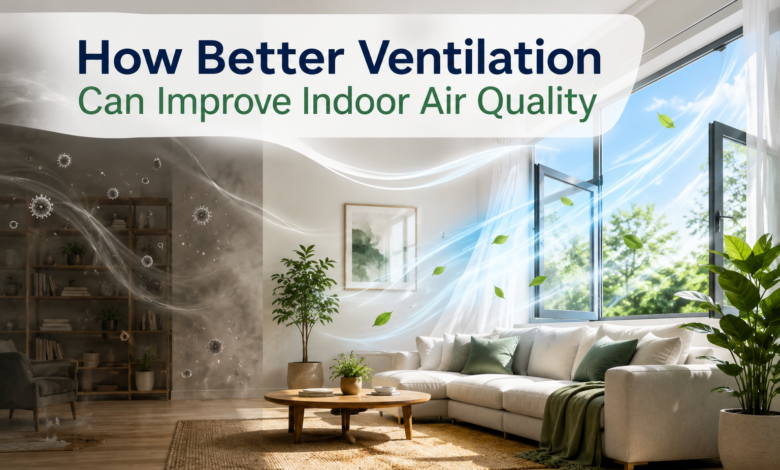
Most people spend a significant amount of time indoors, whether at home, at work or in public buildings. While we often focus on outdoor pollution, the quality of the air inside our homes can have an even greater impact on our health and comfort. Poor indoor air quality can lead to stale air, unpleasant odours, excess moisture and a build-up of airborne pollutants that affect everyday wellbeing.
Good ventilation is one of the simplest and most effective ways to create a healthier indoor environment. By ensuring a constant flow of fresh air while removing stale, contaminated air, ventilation helps maintain a cleaner, more comfortable living space for everyone.
Common Causes of Poor Indoor Air Quality
Indoor air can become polluted from a variety of everyday activities. Cooking, cleaning, showering and even breathing all contribute moisture and particles to the air. Without proper ventilation, these pollutants remain trapped inside.
Some of the most common contributors include:
- Excess humidity from bathrooms and kitchens
- Dust, pollen and pet dander
- Volatile organic compounds (VOCs) released from paints, furniture and cleaning products
- Cooking fumes and smoke
- Carbon dioxide produced by occupants
When these contaminants accumulate, they can create an environment that feels stuffy and uncomfortable while potentially affecting respiratory health.
The Benefits of Better Ventilation
A well-designed ventilation system continuously replaces stale indoor air with fresh outdoor air. This process helps regulate humidity levels and reduces the concentration of airborne pollutants.
Some key benefits include:
Healthier Living Conditions
Fresh air circulation helps reduce allergens, dust and airborne particles that may trigger allergies or respiratory irritation. Cleaner indoor air can contribute to greater comfort for everyone in the household.
Reduced Condensation and Damp
Moisture is one of the biggest challenges in modern homes, particularly those with high levels of insulation. Without adequate airflow, condensation forms on windows and walls, creating ideal conditions for damp and mould growth.
Effective ventilation removes excess moisture before it becomes a problem, helping protect both your property and your health.
Improved Comfort
Rooms with poor ventilation often feel warm, stuffy or humid. Fresh airflow creates a more pleasant indoor environment by maintaining balanced temperatures and reducing lingering odours from cooking, pets or household activities.
Why Modern Homes Need Ventilation More Than Ever
Today’s homes are designed to be energy efficient, with improved insulation, double glazing and better sealing around doors and windows. While these features help reduce heating costs, they also limit natural airflow.
In older properties, small gaps around windows and doors allowed fresh air to enter naturally. Modern construction significantly reduces these gaps, meaning pollutants and moisture can become trapped unless mechanical ventilation is installed.
This makes purpose-built ventilation systems increasingly important for maintaining healthy indoor air quality while preserving energy efficiency.
Heat Recovery Ventilation Systems
Mechanical ventilation with heat recovery (MVHR) systems have become a popular solution for homeowners looking to improve indoor air quality without wasting heat.
These systems continuously extract stale air from moisture-prone areas such as kitchens and bathrooms while supplying filtered fresh air to living spaces and bedrooms. At the same time, they recover heat from the outgoing air and transfer it to the incoming fresh air.
This process allows homes to enjoy cleaner air while reducing heat loss, making ventilation both practical and energy conscious.
Homeowners considering this type of solution can learn more about systems from Gardiner Heat Recovery, which specialises in heat recovery ventilation products.
Simple Ways to Improve Ventilation
Even without installing a full ventilation system, there are some practical steps homeowners can take to improve indoor air quality, such as:
- Open windows regularly when weather allows.
- Use extractor fans while cooking or showering.
- Keep air vents clean and unobstructed.
- Avoid drying large amounts of laundry indoors without ventilation.
- Maintain heating systems and replace filters where necessary.
Combining these habits with an effective ventilation strategy helps create a healthier indoor environment throughout the year.
Final Thoughts
Better ventilation plays a vital role in maintaining high indoor air quality. It removes pollutants, controls moisture, reduces condensation and creates a fresher, healthier home environment. As modern homes become increasingly airtight, ensuring adequate airflow is more important than ever.
Whether through simple daily habits or advanced heat recovery ventilation systems, investing in improved ventilation can enhance comfort, protect your property and support the long-term wellbeing of everyone living inside.