Fast-Build Engineering Innovations Helping Projects Stay on Schedule

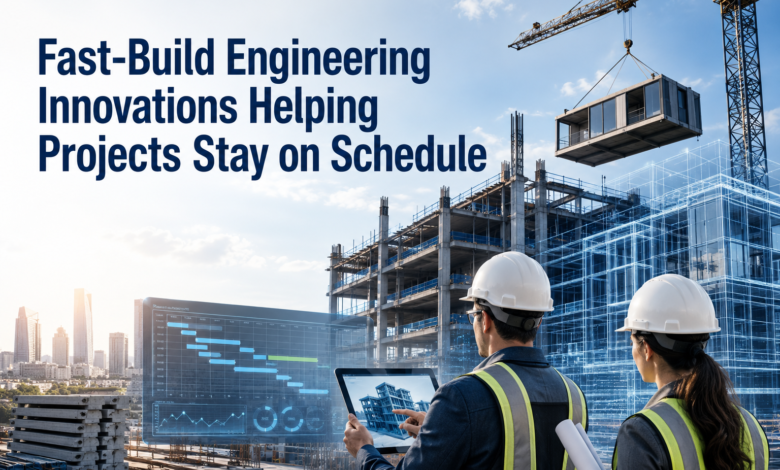
Keeping construction projects on schedule has become increasingly challenging. Labour shortages, tighter budgets, unpredictable weather, and growing infrastructure demands all put pressure on delivery timelines. Fortunately, engineering innovations are helping project teams complete work more efficiently without compromising on quality or safety.
Here are some of the technologies and construction methods making the biggest difference.
Modular Bridge Systems Reduce On-Site Construction Time
One of the most significant developments in infrastructure is the growing use of modular bridge systems. Rather than building every component on-site, bridge sections are manufactured in controlled environments before being transported for rapid installation.
This approach dramatically shortens construction programmes, reduces disruption to road users and improves quality control. When projects require quick access across rivers, roads or work sites, temporary bridges provide an efficient solution that keeps construction moving while permanent infrastructure is completed. Modular bridge systems can cut construction time significantly by combining prefabrication with streamlined installation processes.
Building Information Modelling (BIM) Improves Coordination
Digital planning has transformed how construction teams collaborate.
Building Information Modelling (BIM) allows architects, engineers, and contractors to work from the same digital model, identifying clashes before construction begins. Detecting problems early helps avoid expensive delays and reduces the need for rework once teams are on-site.
Drone Surveys Deliver Faster Site Intelligence
Traditional surveying methods can take days or even weeks on large projects.
Drones equipped with high-resolution cameras and LiDAR sensors can quickly capture accurate topographical data, monitor project progress, and inspect difficult-to-access locations. This enables faster decision-making while reducing the need for manual inspections in hazardous environments.
GPS Machine Control Improves Accuracy
Modern excavators, bulldozers and graders increasingly rely on GPS-guided machine control.
Operators receive real-time positioning data that enables precise earthmoving without relying solely on traditional staking methods. Improved accuracy reduces material waste, minimises rework and speeds up site preparation.
Off-Site Prefabrication Keeps Multiple Workstreams Moving
Prefabrication has expanded well beyond bridges.
Structural steel, utility modules, wall panels and mechanical systems can all be manufactured while groundwork is taking place. Running these activities simultaneously shortens overall project programmes and provides greater certainty over delivery schedules. Off-site construction also improves quality consistency by manufacturing components in controlled factory conditions.
Artificial Intelligence Is Improving Project Scheduling
Construction software powered by AI is becoming an increasingly valuable planning tool.
By analysing previous projects, weather forecasts, labour availability, and supply chain information, AI can identify scheduling risks before they affect delivery. Project managers can then adjust resources proactively instead of reacting once delays have already occurred.
Digital Twins Support Smarter Project Management
Digital twins create a live digital representation of a construction project.
By combining design data with information collected from sensors and site monitoring systems, project teams can track progress in real time, identify potential issues earlier, and make better-informed decisions throughout the build. This visibility helps keep projects aligned with planned timelines.
Final Thoughts
Fast-track construction is no longer achieved simply by working harder on-site. Today’s most successful projects combine digital planning, modular construction, automation and prefabrication to eliminate delays before they occur. As these innovations continue to mature, construction teams are finding smarter ways to deliver infrastructure faster, more safely and with greater confidence in meeting demanding project schedules.