
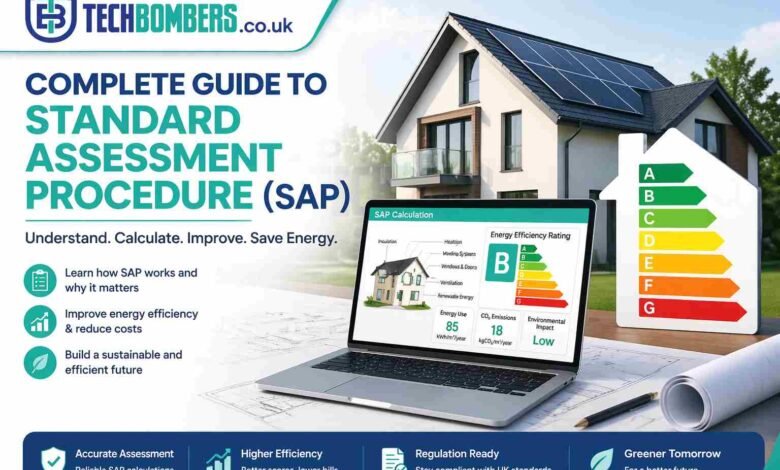
The Standard Assessment Procedure (SAP) is an essential tool used in the UK to assess the energy efficiency of homes and buildings. Whether you are a homeowner, builder, or developer, understanding SAP is key to ensuring compliance with regulations and improving a building’s energy performance. In this comprehensive guide, we’ll explain what SAP is, how it works, why it matters, and how you can use it to improve the energy efficiency of your home or construction project.
What is the Standard Assessment Procedure (SAP)?
The Standard Assessment Procedure (SAP) is a government-mandated system used to measure the energy efficiency of buildings. It is the UK’s national calculation method for assessing the energy performance of homes, helping to determine how much energy a building will use over the course of a year and how much carbon dioxide (CO2) it will emit.
SAP ratings are calculated based on several factors, including the building’s insulation, heating system, ventilation, and use of renewable energy sources. The final result is a score that gives an overall picture of the building’s energy efficiency.
The SAP calculation process is primarily used to generate Energy Performance Certificates (EPCs), which are required when a building is sold or rented. These certificates are essential for determining how environmentally friendly a property is, and they help prospective buyers or tenants understand the potential running costs of a building.
How SAP Works: Step-by-Step Breakdown
Understanding how SAP works is crucial for making the most of it. Here’s a step-by-step guide to the SAP process:
Step 1: Data Collection
The first step in the SAP process is to gather all relevant data about the building. This includes:
- Floor area and layout
- Construction materials (e.g., walls, roof, floors)
- Heating and cooling systems used
- Windows and glazing type
- Insulation and energy-saving measures
The more accurate the data, the more reliable the SAP score will be.
Step 2: SAP Calculation Process
Once all the data is collected, the SAP software calculates the building’s energy efficiency based on the following:
- Thermal performance of the building fabric (walls, roof, floors, etc.)
- Heating: The type of heating system (gas, electric, heat pump) and its efficiency
- Ventilation: The method of ventilation (natural, mechanical, or heat recovery ventilation)
- Hot water: The efficiency of hot water systems
The SAP software uses a formula to calculate how much energy the building will consume for heating, lighting, hot water, and ventilation. The software then assigns a score based on these calculations.
Step 3: SAP Score and Result Interpretation
Once the SAP score is generated, it is used to create an Energy Performance Certificate (EPC). This certificate rates the energy efficiency of the building on a scale from A (most efficient) to G (least efficient). A higher score indicates a more energy-efficient building, while a lower score suggests that the building uses more energy.
Key Factors That Affect SAP Scores
Several factors can influence the SAP score of a building. Here are the most important ones:
Building Fabric & Insulation
The quality of the building fabric—how well the walls, floors, and roof insulate the property—plays a major role in energy efficiency. Proper insulation helps reduce the amount of energy needed to heat the building, which can significantly improve the SAP score.
Heating & Cooling Systems
The type and efficiency of heating systems (e.g., gas boilers, heat pumps) have a direct impact on SAP scores. Buildings with efficient heating systems tend to have higher scores.
Renewable Energy Sources
Renewable energy sources like solar panels, wind turbines, or biomass boilers can boost a building’s SAP score. These systems reduce the amount of energy the building needs from non-renewable sources, making the property more energy-efficient and eco-friendly.
Ventilation & Air Tightness
Proper ventilation is essential for maintaining good air quality and preventing excess moisture, but it also affects a building’s energy efficiency. The more airtight a building is, the less heat it loses. Ventilation systems that recover heat can improve the SAP score.
Why SAP Scores Matter for Different Stakeholders
Homeowners
For homeowners, a higher SAP score means lower energy bills and a more comfortable living environment. Properties with better energy ratings are also more attractive to buyers and can have a higher market value. A higher SAP score can also indicate a lower carbon footprint, making your home more environmentally friendly.
Builders & Developers
For builders and developers, SAP is crucial for ensuring that new buildings meet energy regulations set by the government. Builders can use SAP scores to design homes that are not only compliant but also more attractive to buyers due to their energy efficiency. In some cases, developers may even need to meet specific SAP targets to qualify for planning permissions.
Energy Assessors
Energy assessors use SAP to calculate and verify a building’s energy efficiency. These assessors play an essential role in generating Energy Performance Certificates (EPCs), which are required for legal purposes when selling or renting properties.
How to Improve Your SAP Score: Practical Tips and Strategies
Improving your SAP score can help reduce your energy consumption, lower your utility bills, and increase the overall value of your property. Here are some ways you can improve your SAP score:
Upgrade Insulation
One of the easiest and most effective ways to improve your SAP score is by upgrading your home’s insulation. Adding insulation to walls, roofs, and floors can prevent heat from escaping, making your home more energy-efficient.
Install Energy-Efficient Windows
Replacing old, single-glazed windows with double or triple-glazed windows will reduce heat loss and improve your SAP score. Energy-efficient windows help keep your home warmer in winter and cooler in summer.
Switch to Renewable Energy
Install solar panels, heat pumps, or other renewable energy systems. These systems not only improve your SAP score but also reduce your reliance on fossil fuels, making your home more sustainable in the long term.
Upgrade Heating Systems
Switching to a more energy-efficient heating system, such as a condensing boiler or a heat pump, can significantly improve your SAP score. These systems use less energy to heat your home, reducing your carbon footprint.
Improve Ventilation
Installing a heat recovery ventilation (HRV) system can improve the SAP score by efficiently circulating air while retaining heat.
Common Mistakes to Avoid When Using SAP
Incomplete Data
Incomplete or inaccurate data can lead to incorrect SAP calculations. Make sure all measurements are correct and that no key factors are missed during the data collection process.
Ignoring Insulation
Not investing in proper insulation can significantly lower your SAP score. Insulation is one of the most cost-effective ways to boost energy efficiency.
Not Considering Local Regulations
Always check the local building regulations before making improvements or changes to your building’s structure. Failing to comply with these regulations can result in penalties or the rejection of your project.
SAP Software: Tools for Calculating and Optimizing SAP Scores
To get accurate results, you’ll need reliable SAP software. There are several options available, both free and paid, for calculating SAP scores.
Popular SAP Software Options
- DesignBuilder: A comprehensive tool used by energy assessors for SAP calculations and energy modeling.
- SBEM (Simplified Building Energy Model): Often used for commercial buildings and smaller residential properties.
- EnergyPlus: A high-performance software for building energy simulations, often used for more complex designs.
These software tools streamline the calculation process, ensuring more accurate results and helping professionals optimize their designs for energy efficiency.
SAP and the Future of Building Energy Efficiency
With advancements in technology, the future of SAP is evolving. New developments in AI, machine learning, and Internet of Things (IoT) technologies are helping make SAP calculations even more precise. As regulations become stricter and the demand for sustainable buildings grows, SAP will continue to play a critical role in shaping the future of the construction industry.
Conclusion: Make SAP Your Advantage
Understanding the Standard Assessment Procedure (SAP) is essential for anyone involved in building, renovating, or selling properties. By improving your SAP score, you can reduce energy consumption, lower your bills, and make your building more attractive to potential buyers or tenants. Whether you’re a homeowner, builder, or energy assessor, SAP provides the framework needed to improve energy efficiency and contribute to a more sustainable future. Ready to start optimizing your building’s SAP score? Take action today by improving insulation, upgrading your heating systems, and considering renewable energy options. A more energy-efficient property is just a few steps away.
For more insights, read our article on: What is Environmental Control Technology in the UK?
FAQs
How long does it take to complete a SAP assessment?
A standard SAP assessment can take a few hours to a few days, depending on the complexity of the building.
Can SAP software be used for commercial buildings?
Yes, while SAP is typically used for residential buildings, there are variants like SBEM that cater to commercial buildings.
What happens if my SAP score is too low?
A low SAP score may mean your building doesn’t meet energy regulations, which could lead to higher energy bills and lower property value. Consider making improvements to insulation and heating systems.