

United Airlines Flight UA967, which was scheduled to travel from Naples, Italy (NAP) to Newark, USA (EWR), was diverted to St. John’s International Airport (YYT) in Newfoundland, Canada, causing a significant delay for its passengers. While this may seem like a rare and unsettling incident for those onboard, diversions like this are more common than you might think and are a standard safety measure.
In this post, we’ll take a closer look at what happened with Flight UA967, why it was diverted, how it affected the passengers, and why diversions like this are crucial for flight safety.
Flight UA967: An Overview
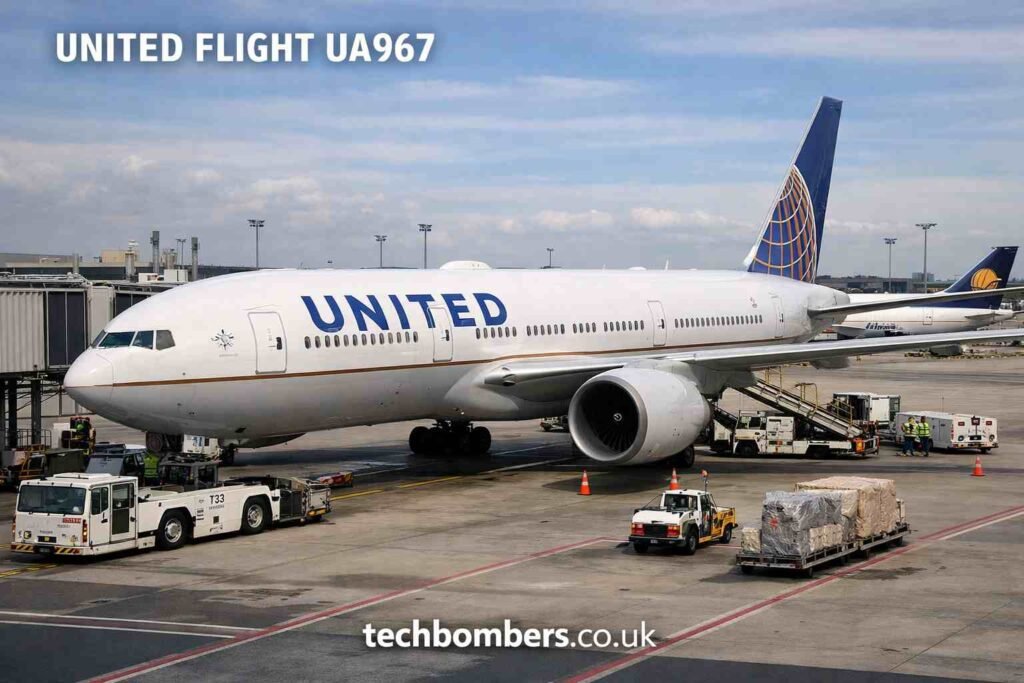
Flight UA967 was originally scheduled to fly from Naples to Newark. This flight, like many others, had a long transatlantic route. The flight left Naples but was not able to continue directly to Newark, which was the planned destination. Instead, it was diverted to St. John’s International Airport (YYT) due to a technical issue that emerged during the flight.
Understanding the basics of flight UA967 is important to grasp the severity of the situation. The aircraft was in the air for a few hours before the diversion was initiated. It wasn’t just a simple change of course but a precautionary decision made for the safety of everyone abroad.
Why Was the Flight Diverted?
A major question arises whenever a flight is diverted: Why did it happen?
While official statements from United Airlines were limited at first, reports suggest that the reason for the diversion was a technical issue. Such issues may vary from mechanical malfunctions to system errors, and pilots are trained to handle them in the safest way possible.
When something unexpected happens mid-flight, pilots assess the situation to ensure the safety of everyone on board. Rather than continuing on a potentially risky path, the decision to divert to an alternate airport is made. St. John’s was the closest option and the safest place to land at that point.
The Diversion to St. John’s International Airport
Once the decision to divert was made, Flight UA967 headed towards St. John’s, located in Newfoundland, Canada. While St. John’s isn’t an airport many people associate with transatlantic flights, it turned out to be the ideal diversion location.
Why was St. John’s chosen?
St. John’s International Airport is a well-equipped airport, capable of handling emergency landings. Given the technical nature of the issue, it made sense for the aircraft to divert to an airport that could manage the situation efficiently. It was the nearest suitable option that allowed for a safe landing without further complications.
Passengers on board were understandably concerned, but the crew acted swiftly and with professionalism, ensuring that they were informed throughout the process. The decision to land in St. John’s wasn’t taken lightly and was made with the well-being of the passengers and crew in mind.
Impact on Passengers
For passengers, this diversion meant a major delay in their travel plans. After landing in St. John’s, the plane had to be checked for mechanical issues, and passengers were informed about the situation. In cases like these, airlines often provide support, including food, water, and accommodations where necessary.
What happened to the passengers?
Once the aircraft landed in St. John’s, passengers were not left stranded. United Airlines quickly arranged for a replacement aircraft to take passengers to Newark. However, this added several hours to their travel time.
Given the situation, many passengers were frustrated by the inconvenience, but most understood that it was a necessary action for their safety. Airlines typically handle such situations well by ensuring passenger comfort during delays, and United was no exception.
United Airlines’ Response to the Diversion
The diversion was an unfortunate but necessary event. United Airlines responded by prioritizing safety, and the decision to divert was made to avoid any risks to passengers. After the flight landed in St. John’s, passengers were informed about the next steps, and a new plane was arranged for the continuation of their journey.
United Airlines also took action to ensure that affected passengers received assistance throughout the delay. While the company did not go into detail about the specific nature of the technical issue, it’s clear that the airline acted in the best interest of those on board.
Why Do Flights Get Diverted?
Flight diversions are not as rare as they may seem. In fact, diversions happen regularly across the aviation industry. However, it’s important to note that diversions are always made with safety in mind. When a flight encounters a situation where continuing on the planned route might put passengers at risk, a diversion is initiated.
Here are some common reasons why flights might get diverted:
- Technical or Mechanical Issues: As was the case with Flight UA967, a technical problem can occur mid-flight, and the safest option is often to divert to the nearest airport.
- Weather Conditions: Bad weather such as thunderstorms, high winds, or snow can also cause diversions if the plane cannot land safely at its original destination.
- Medical Emergencies: If a passenger or crew member falls ill or requires immediate medical attention, a diversion may be necessary to get them to the nearest hospital.
- Air Traffic Control Issues: Sometimes, traffic control issues, such as congestion or restrictions on airspace, require a flight to be rerouted to a different airport.
The Importance of Diversions for Passenger Safety
While it’s always unfortunate when a flight gets delayed or diverted, passenger safety is the top priority. In aviation, strict safety protocols and measures are in place to ensure that passengers are always safe, even in cases of unexpected events like diversions.
Diversions are planned events that pilots and airlines are trained to handle. The decision to divert is never made lightly, but it ensures that any technical problems or hazards are dealt with in a controlled environment, reducing the risk to those on board.
The technical issues that caused this diversion were likely addressed quickly, and passengers were eventually able to continue their journey. However, the important takeaway here is that diversions ensure that safety is never compromised, and they play a vital role in maintaining the high standards of aviation safety.
Conclusion
In conclusion, the diversion of United Airlines Flight UA967 was a necessary and precautionary measure taken to ensure the safety of everyone onboard. While diversions like this can cause inconvenience, they are a part of the safety protocols that airlines follow to ensure passengers’ well-being.
Flight UA967’s diversion to St. John’s International Airport was prompted by a technical issue, and the airline acted swiftly to address the situation. Passengers were provided with assistance, and a replacement aircraft was arranged to get them to their final destination in Newark.
Ultimately, it’s important for passengers to understand that diversions are a part of air travel, and they’re always made with the best interests of the passengers in mind. So, while your travel plans might be delayed, your safety is never compromised.
If you’ve had any experiences with flight diversions or delays, feel free to share your thoughts in the comments below!
You Can Also Read More Trend Blogs On Techbombers.co.uk
FAQs
Why do flights get diverted?
Flights get diverted for several reasons, including technical issues, bad weather, medical emergencies, or air traffic control problems.
What happens to passengers when a flight is diverted?
Airlines provide support, food, and accommodation when necessary and arrange for replacement flights or other measures to minimize the inconvenience.
How does United Airlines handle diversions?
United Airlines prioritizes safety and passenger care during diversions, arranging for a replacement aircraft and ensuring passengers are taken care of.