

3D printing has made its mark in industries like manufacturing, healthcare, and even fashion. But one of the most exciting sectors to see the transformative impact of this technology is construction. From building homes to creating intricate architectural designs, 3D printing in construction is poised to change the way we build.
However, like any technology, 3D printing in construction comes with its own set of challenges. In this post, we’ll explore both the benefits and challenges of 3D printing in construction, so you can understand how it works and its potential impact on the industry.
What is 3D Printing in Construction?
3D printing, also known as additive manufacturing, is a process where materials are layered to create physical objects based on digital designs. In construction, this involves using a large 3D printer to print building materials layer by layer to construct structures. The materials can range from concrete mixtures to advanced polymers.
Unlike traditional construction, where workers manually assemble materials, 3D printing in construction automates the process, which leads to increased precision, customization, and faster build times.
You Might Also Check: What is 3D Machine Vision System?
The Benefits of 3D Printing in Construction
Cost Reduction
One of the most attractive benefits of 3D printing in construction is cost savings. Traditional building methods are labor-intensive, requiring numerous workers and materials that often result in waste. With 3D printing, the labor requirement is significantly reduced. The materials used are also optimized to minimize waste, which can lead to substantial savings.
Moreover, construction companies can use 3D printing to automate processes, reducing the need for manual labor and minimizing human error. This helps to bring down the overall cost of construction, making it a feasible option for projects that otherwise might be too expensive.
Faster Construction Times
Speed is another major advantage of 3D printing in construction. Traditional construction projects can take months or even years to complete. But with 3D printing, projects can be finished much faster, sometimes in a matter of days or weeks.
For instance, the construction of a house using 3D printing technology can be done in as little as 24 hours. This drastic reduction in build time means quicker project turnaround and allows for more efficient management of resources.
Sustainability and Waste Reduction
Sustainability is a key concern in today’s construction industry. Traditional building methods often result in significant material waste, contributing to environmental degradation. However, 3D printing reduces waste by using only the exact amount of material needed for construction.
Additionally, 3D printing can use eco-friendly materials, such as recycled concrete or biodegradable substances, making it an environmentally friendly alternative. The precision in 3D printing ensures that no unnecessary materials are used, helping reduce the carbon footprint of construction projects.
Design Flexibility
One of the most compelling features of 3D printing in construction is its ability to create highly customized and complex designs. Traditional construction methods often require expensive molds or forms for custom shapes, making intricate designs difficult or costly to achieve.
3D printing eliminates these limitations. Complex shapes, patterns, and even entire structures that would be impossible to create with traditional methods are now possible. Whether it’s creating futuristic buildings, artistic facades, or customized interior elements, 3D printing enables architects to push the boundaries of design.
Improved Safety and Reduced Risk
Construction sites are notorious for being dangerous environments. With 3D printing, many of the more hazardous tasks traditionally done by workers are automated. This reduces the risk of injury on site.
Moreover, the high precision of 3D printers helps reduce errors in the construction process, which further enhances the safety and integrity of the final structure. With fewer manual errors, the likelihood of costly repairs or safety issues in the future is significantly reduced.
Affordable Housing Solutions
3D printing holds significant potential in addressing housing shortages, particularly in developing countries. The ability to build homes faster and cheaper can offer affordable housing solutions to people in need.
By reducing the cost of materials and labor, 3D printing makes it possible to create homes at a fraction of the cost of traditional methods. In fact, several projects have already successfully created 3D printed homes for as low as $4,000 to $10,000 each, helping families who otherwise couldn’t afford to own a home.
The Challenges of 3D Printing in Construction
High Initial Investment
While 3D printing can reduce costs in the long run, the initial investment in 3D printing equipment can be quite expensive. Large-scale 3D printers capable of printing construction materials require significant capital expenditure.
This high upfront cost can deter smaller construction companies or those working on limited budgets from adopting the technology. However, as 3D printing in construction becomes more common, it’s expected that prices will come down, making the technology more accessible to all players in the industry.
Material Limitations
Although 3D printing allows for a range of materials to be used in construction, the selection is still somewhat limited. While concrete is widely used for 3D printed structures, the materials used in 3D printing aren’t as durable or versatile as traditional building materials like steel, wood, or glass.
Moreover, the performance of 3D printed materials over time is still being studied. Long-term durability and weather resistance are concerns that need to be addressed before 3D printed structures can be used in all types of construction projects, especially those in harsh environments.
Lack of Skilled Labor
Another challenge facing 3D printing in construction is the lack of skilled workers who are trained to operate these advanced machines. The technology requires highly specialized knowledge in areas such as robotics, 3D modeling, and material science.
For widespread adoption to occur, the construction industry will need to invest in training and upskilling workers to operate 3D printing equipment. Universities and vocational schools are beginning to offer programs in 3D printing for construction, but it may take time for the necessary expertise to become widely available.
Regulatory and Safety Concerns
As with any new technology, 3D printing in construction faces regulatory hurdles. Building codes and safety standards haven’t yet fully addressed the unique aspects of 3D printed structures. Many existing regulations are based on traditional construction methods, and adapting them to the capabilities and limitations of 3D printing is a complex process.
Additionally, the safety of 3D printed buildings is still a subject of research. While 3D printed structures are generally strong, more data and testing are needed to ensure that they can withstand extreme conditions, such as earthquakes or strong winds.
Public Perception and Acceptance
Despite the many advantages of 3D printing, some people are still skeptical about the technology. The idea of living in a 3D printed home or working in a 3D printed office building can be unsettling for some, especially if the technology is new or unfamiliar in their region.
Overcoming this public skepticism will require extensive education, outreach, and real-world examples of successful 3D printed structures. As more 3D printed buildings are constructed and proven to be reliable, public perception will likely shift in favor of the technology.
Scalability and Large-Scale Production
Another challenge of 3D printing in construction is the scalability of the technology. While it’s easy to create small structures like homes or garden walls, scaling up for large commercial buildings or infrastructure projects can be more challenging.
3D printing is typically limited by the size of the printer, and transporting large printed elements can be cumbersome. For large-scale construction projects to be fully optimized through 3D printing, advancements in printing capabilities, material transport, and project coordination will be necessary.
Overcoming the Challenges: Industry Innovations
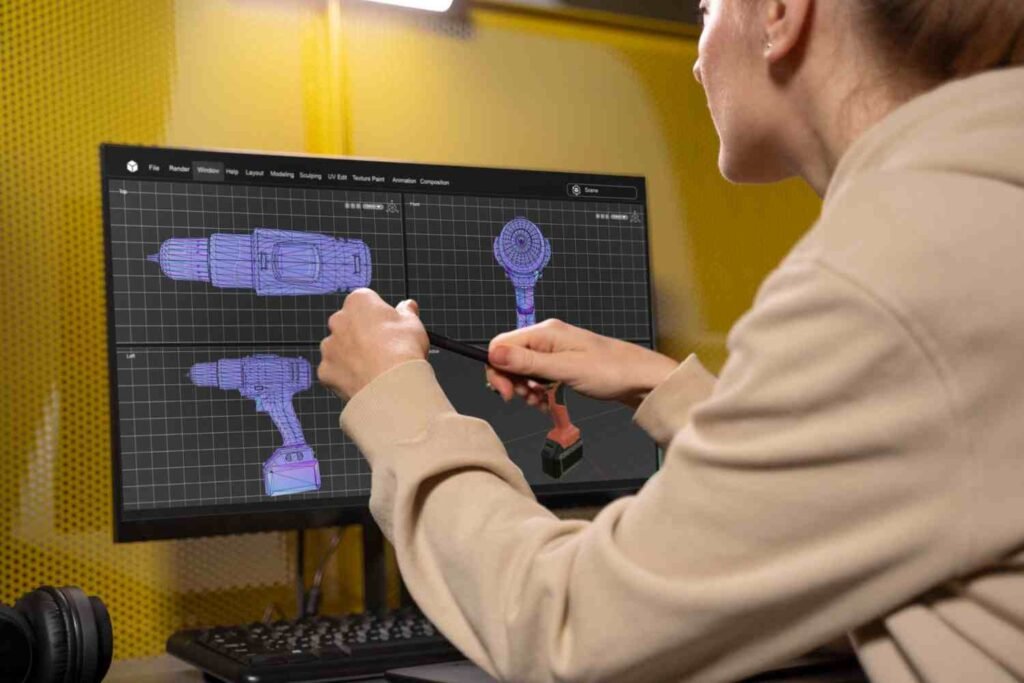
Despite these challenges, the construction industry is already working to overcome many of these obstacles. Innovations such as hybrid printing methods (combining traditional techniques with 3D printing) and the development of stronger, more durable materials are addressing some of the limitations of 3D printing in construction.
Regulatory bodies are also starting to recognize the potential of 3D printing, and work is underway to update building codes to include 3D printed structures. The key to overcoming these challenges lies in continued research, collaboration, and investment in education and training.
The Future of 3D Printing in Construction
The future of 3D printing in construction is bright. As the technology matures and becomes more widely accepted, we’ll see more cities and countries adopting it for affordable housing, disaster relief, and sustainable urban development.
Moreover, the technology will likely continue to evolve, making it even more efficient, affordable, and adaptable. It’s not just about building houses faster; it’s about creating smarter, more sustainable cities for future generations.
Conclusion
3D printing in construction is undeniably a game-changer. From reducing costs to enabling intricate designs and sustainable building practices, the benefits of 3D printing are clear. However, challenges such as high costs, material limitations, and regulatory hurdles must be addressed before the technology can be fully adopted at scale.
By overcoming these challenges, 3D printing has the potential to revolutionize the way we build, offering a more efficient, sustainable, and affordable solution to meet the demands of the future.
For more insights, read our article on: How are AI Dash Cams Integrated into Construction Technology Systems?