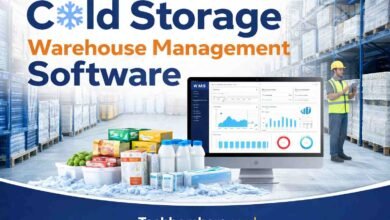
What is AS/400 Warehouse Management System and How Does It Work?


Running a warehouse smoothly is a challenging task, especially with the increasing demand for fast order fulfillment and efficient inventory management. That’s where a Warehouse Management System (WMS) comes into play. For businesses that rely on IBM’s AS/400 system (also known as IBM iSeries or Power Systems), integrating a WMS can significantly improve warehouse efficiency.
In this guide, we’ll break down what an AS/400 WMS is, how it works, and why it’s a game-changer for businesses. Whether you’re already using AS/400 or considering it, this article will help you understand the key benefits and how it can streamline your operations.
What is AS/400?
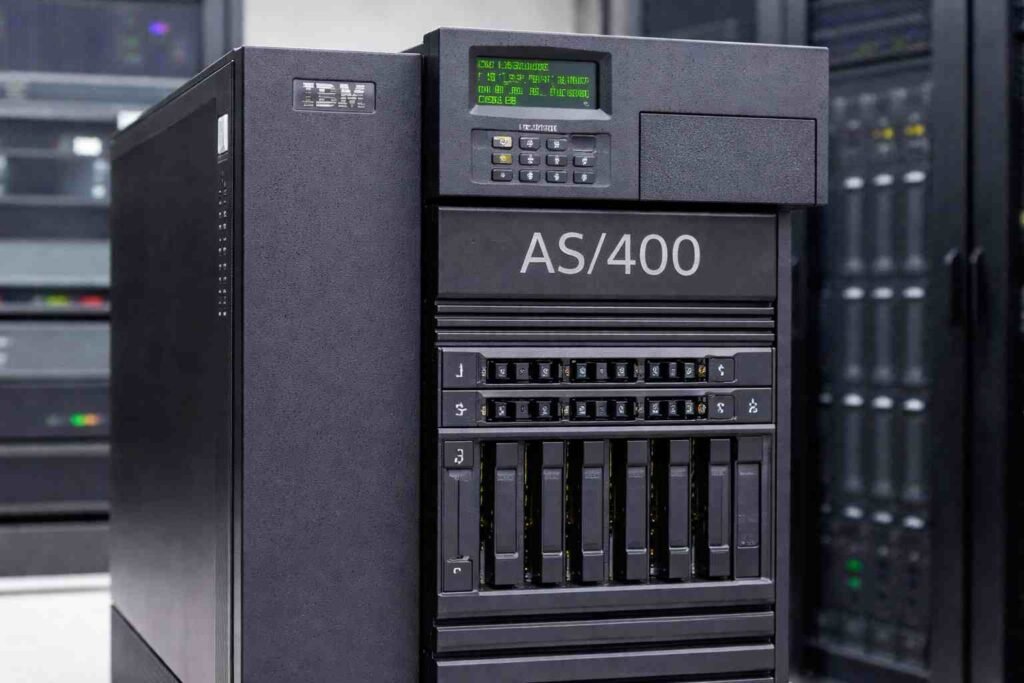
The AS/400, or IBM Power Systems, is a robust computer system introduced by IBM in the late 1980s. For years, businesses have been using AS/400 to run their most critical operations, from managing finance to running supply chains. It’s known for being reliable, scalable, and secure, which is why it’s been a trusted platform for many businesses for decades.
While AS/400 was initially used for various enterprise applications, over time, it evolved into the backbone of many warehouses and business operations. It’s now capable of running various warehouse management systems, and companies continue to use it because of its performance and the seamless integration it offers with other systems.
What is a Warehouse Management System (WMS)?
A Warehouse Management System (WMS) is software that helps businesses manage their warehouse operations. This includes everything from inventory tracking, order picking, packing, and shipping. A good WMS helps ensure that warehouses run smoothly, orders are accurate, and stock is always updated in real-time.
Some of the key features of a WMS include:
- Inventory tracking: Real-time updates on inventory levels and locations.
- Order fulfillment: Optimizing the order picking and shipping processes.
- Automation: Reducing manual labor and human errors by automating key tasks.
- Reporting: Providing detailed insights on warehouse performance and stock levels.
How AS/400 WMS Works: Key Features and Functionalities
So, how does AS/400 WMS work? By integrating AS/400’s powerful capabilities with WMS software, businesses can take full advantage of real-time inventory tracking, efficient order fulfillment, and streamlined warehouse processes. Let’s break down the key features that make it such a strong solution for warehouse management:
Inventory Management
Managing inventory in a warehouse can be a nightmare if not handled correctly. AS/400 WMS helps businesses track their stock in real time, reducing the chances of errors and ensuring that inventory is always up to date. Here’s how it works:
- Real-time tracking: Every time inventory is moved or updated, the system reflects it instantly. This helps in maintaining accurate stock levels.
- Automated updates: When goods are received or shipped, the system updates automatically, making it easier to know exactly what you have at any given moment.
- Barcode/RFID scanning: Using barcode or RFID systems ensures that inventory is tracked precisely, minimizing human errors.
Order Fulfillment
One of the most critical functions of any warehouse is getting orders out the door accurately and efficiently. AS/400 WMS helps optimize this by:
- Optimized order picking: AS/400 WMS automates and optimizes the picking process, ensuring that the right items are picked and packed for the customer. This reduces errors and increases speed.
- Faster shipping: With better inventory management and order tracking, the entire shipping process becomes faster, allowing you to get products to your customers more efficiently.
- Prioritized orders: AS/400 WMS can prioritize high-priority orders, making sure they are fulfilled first. This is especially helpful during busy periods.
Storage Optimization
Efficient use of warehouse space is vital to maximize productivity. AS/400 WMS makes storage management easier by:
- Dynamic slotting: The system suggests the best locations for each product based on demand, weight, and size. This minimizes travel time for warehouse workers.
- Space utilization: By analyzing stock movement, AS/400 WMS helps determine the best layout for your warehouse, ensuring that space is used efficiently and that workers spend less time searching for items.
Task Management
Warehouse tasks like picking, packing, and sorting can be complex, especially during peak seasons. With AS/400 WMS, businesses can automate task assignments and make sure the right workers are doing the right tasks. This results in:
- Efficient task assignment: Workers are automatically assigned tasks based on priority and their skill sets.
- Labor tracking: AS/400 WMS tracks workers’ productivity, helping warehouse managers identify areas for improvement.
- Workload balance: By distributing tasks evenly, the system ensures that no single worker is overwhelmed, helping to maintain a balanced workflow.
Reporting and Analytics
Data is key to understanding how well a warehouse is performing. AS/400 WMS provides detailed reporting and analytics that help businesses:
- Monitor performance: Managers can track key metrics like inventory turnover, order accuracy, and picking speed.
- Make data-driven decisions: With real-time data, managers can make informed decisions about staffing, inventory levels, and overall operations.
- Identify trends: Reporting features allow businesses to identify patterns in product demand, helping forecast future inventory needs.
Why Should You Use AS/400 WMS?
Adopting AS/400 WMS can bring significant benefits to your warehouse operations. Here are some of the key reasons businesses choose to implement this solution:
Increased Efficiency
With automated inventory tracking, order picking, and task assignment, AS/400 WMS helps warehouses run more efficiently. This means fewer errors, faster order fulfillment, and ultimately lower operational costs.
Improved Accuracy
Manual tracking and inventory management often lead to errors, which can cost businesses time and money. With AS/400 WMS, real-time updates and automated tracking ensure that the right products are always in the right place. This leads to fewer stock discrepancies and more accurate orders.
Cost Savings
By optimizing space, reducing labor costs, and improving inventory management, AS/400 WMS helps businesses cut costs. The system allows companies to make the most of their resources, ensuring that inventory doesn’t sit idle and that workers aren’t overburdened.
Scalability
As your business grows, so do your warehouse needs. AS/400 WMS is scalable, meaning it can grow with your business. Whether you’re adding new warehouse locations or expanding your inventory, the system can be adjusted to meet your changing requirements.
Integrating AS/400 WMS with Other Systems
One of the biggest advantages of AS/400 is its ability to integrate with other systems, especially Enterprise Resource Planning (ERP) systems. This allows for a seamless flow of data between departments and systems, ensuring that everything from inventory to financial reporting is synchronized.
Here’s how it helps:
- ERP integration: AS/400 WMS can sync with ERP software, allowing for better management of financials, procurement, and inventory all in one place.
- Streamlined processes: Integration between the WMS and ERP ensures that order details, inventory levels, and shipping information are up-to-date across all systems.
Challenges to Consider
While AS/400 WMS offers significant benefits, there are also some challenges to keep in mind:
- Customization: Businesses may need to tailor the system to fit their specific needs, which could involve additional costs and time.
- Employee training: Employees need to be properly trained on how to use the system, which might require time and investment.
- Ongoing maintenance: Like any software, AS/400 WMS needs regular updates and maintenance to ensure it runs smoothly.
Conclusion
The AS/400 Warehouse Management System offers businesses a powerful, scalable solution for managing their warehouse operations. By automating processes, improving inventory accuracy, and providing real-time data, AS/400 WMS helps businesses streamline their operations, reduce costs, and improve customer satisfaction.
If you’re looking to improve your warehouse efficiency and make data-driven decisions, implementing AS/400 WMS could be the solution your business needs. While there are some challenges to consider, the benefits of using AS/400 WMS far outweigh the drawbacks, making it a worthwhile investment for any business with a warehouse operation.
For more insights, read our article on: How to Prevent Cybersecurity Breaches in Warehouse IoT Devices